Good food
Singapore companies' role in securing our food supply sustainably
EARLIER this week, the temporary closure of Pasir Panjang Wholesale Centre, after a Covid-19 cluster was detected, raised the spectre of a potential disruption to the supply of fruits and vegetables. This was not the first time the prospect of empty shelves loomed. In July, Jurong Fishery Port's shutdown sparked queues at fishmongers at wet markets after supply was cut off by a Covid outbreak at the port. And in the early days of the pandemic last year, fears of disruptions to Singapore's food imports sent consumers rushing to supermarkets to stock up on essentials.
Beyond the pandemic, there is no denying that climate change has wrought tremendous impact on agriculture and many aspects of the world's food production - and consumption - are no longer sustainable.
On the demand side, there is also a growing global population. The World Resources Institute has estimated that by 2050 there will be a need for 56 per cent more calories produced than in 2010 to feed nearly 10 billion people.
This massive challenge throws up opportunities for fresh solutions, where companies in land-scarce, high-tech Singapore could play a role. The objectives tie in with the Republic's own aims for improved food security, and there is already keen interest here in various aspects of sustainable food production.
Innovative growing
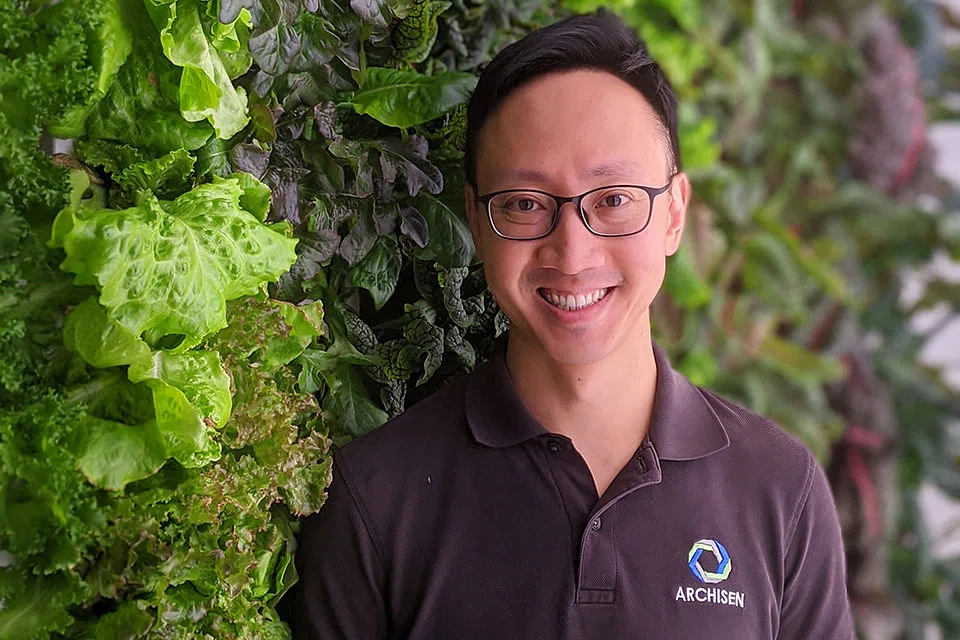
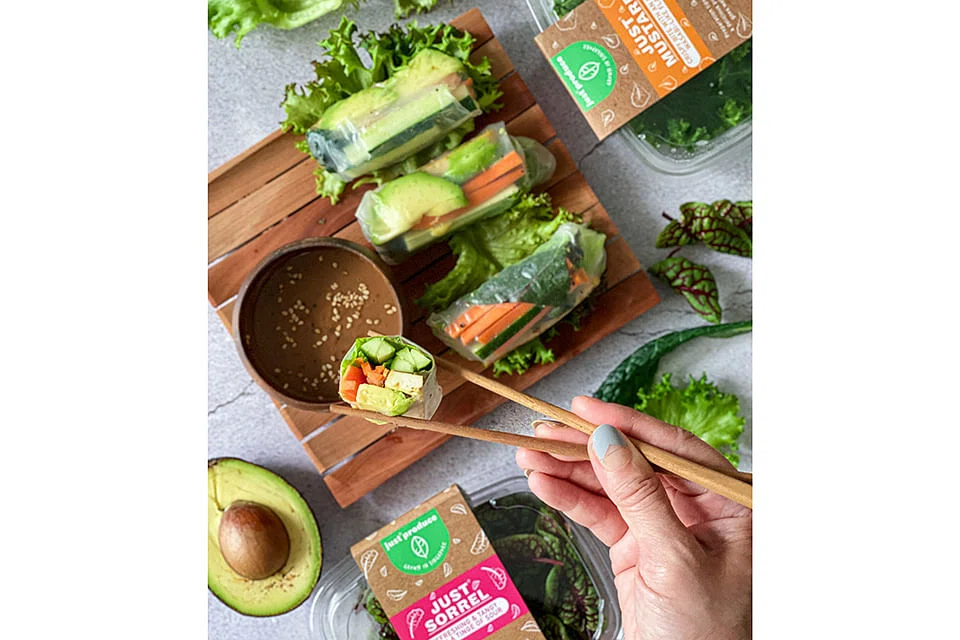
Local startup Archisen, founded in 2016, sells a variety of salads and speciality herbs under the Just Produce brand. Chief executive and co-founder Vincent Wei notes that when they first started, there were more questions on whether urban farming made sense and if Singapore was indeed suited for farming. But over the years, various factors - including government initiatives, as well as the awareness of food resilience and eating healthily - have seen more people growing their own food or starting farms.
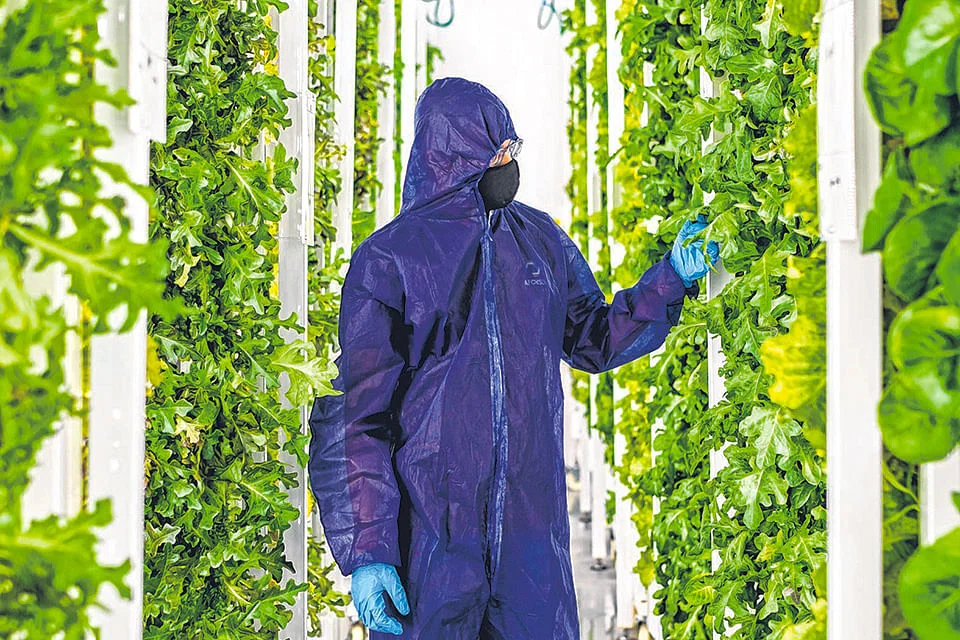
Urban farming has higher levels of automation and better technology than conventional agriculture, which reduces reliance on manpower, he notes. Archisen's name, which blends the words "architecture for sensor networks", is also a reference to the tech employed.
The company makes use of Internet of Things (IoT) technology and data analytics to optimise its farming systems. This encompasses monitoring and control of the climate where food is being grown, including temperature, humidity, light intensity and air composition. Its 7,000 square foot (sq ft) farm has capacity to produce 100 tonnes of vegetables a year, around 100 times more productive than a conventional farm.
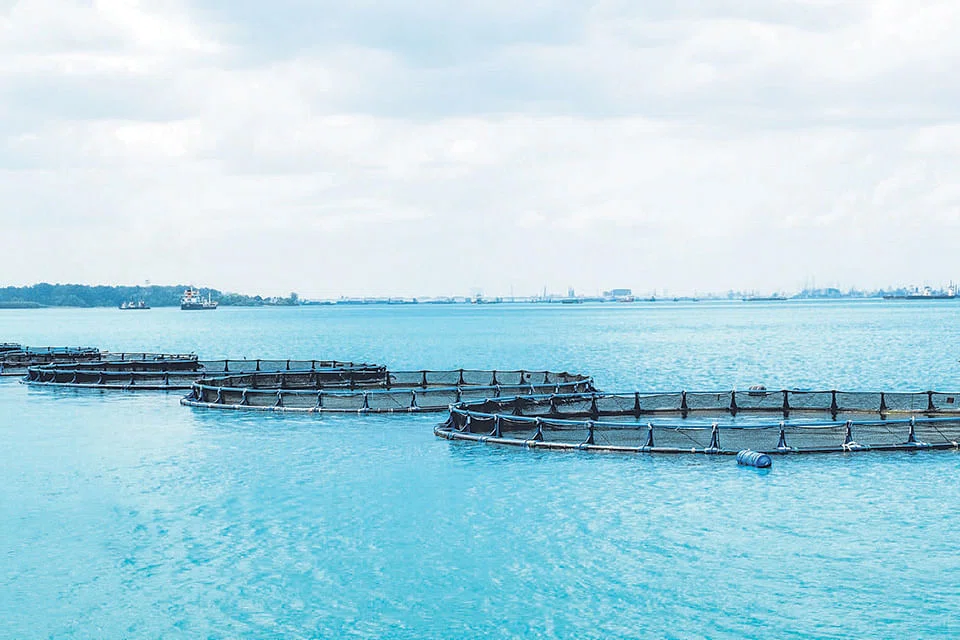
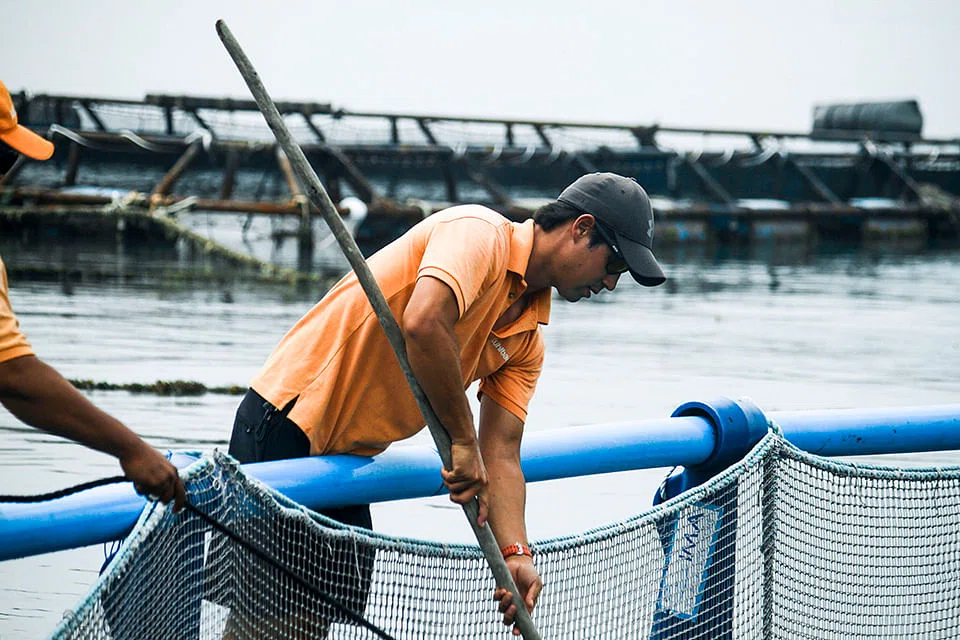
Technology also plays a major role in the farming of fish and has helped Barramundi Group - which started its first farm here in 2008 - industrialise production. Chief executive Andreas von Scholten says: "Most people can farm 10 fish in the backyard, but 10 million fish is where you really need to get your things in order."
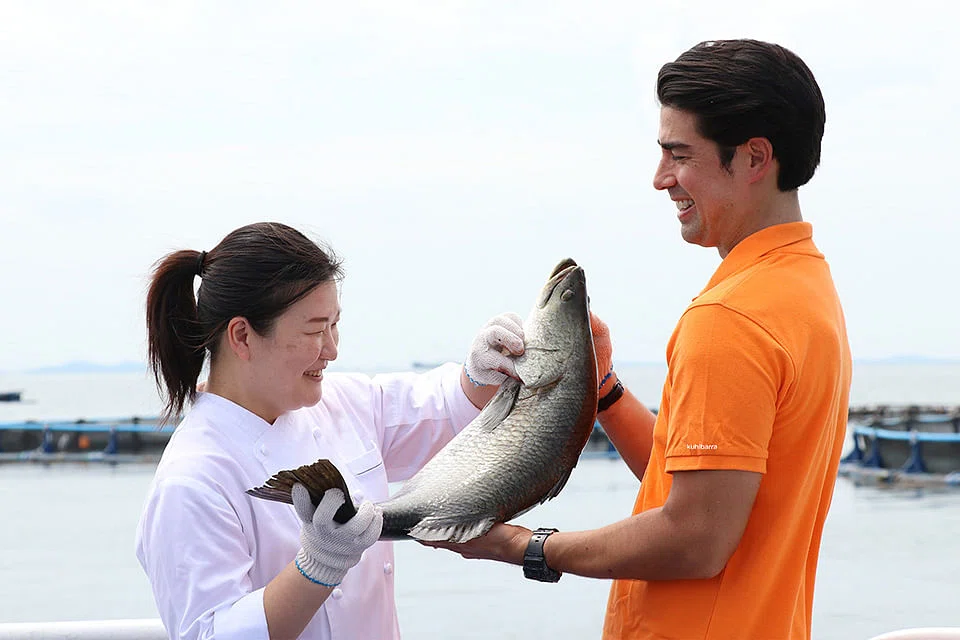
The company, which sells Asian sea bass under the Kühlbarra brand, has invested in areas such as genetics and vaccinations in its production. It grows its fish to around 4-5kg, larger than the usual table size of 600-700g, allowing it to sell thick portions similar to cuts of salmon that chefs like.
"There's a lot of technology know-how and expertise that goes into being able to keep the fish in the water growing for that long," Mr von Scholten says. The company is also looking to increase its production here from 377 tonnes last year to 1,000 tonnes by 2026.
Community effort
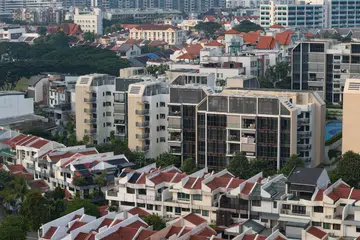
Singapore currently produces under 10 per cent of its local nutritional needs. A "30 by 30" target aims to raise capacity for local and sustainable production to 30 per cent by 2030. For a country with only around 720 square kilometres of land and less than 1 per cent of that set aside for farming, technological innovations that can boost food production are key to food supply needs.
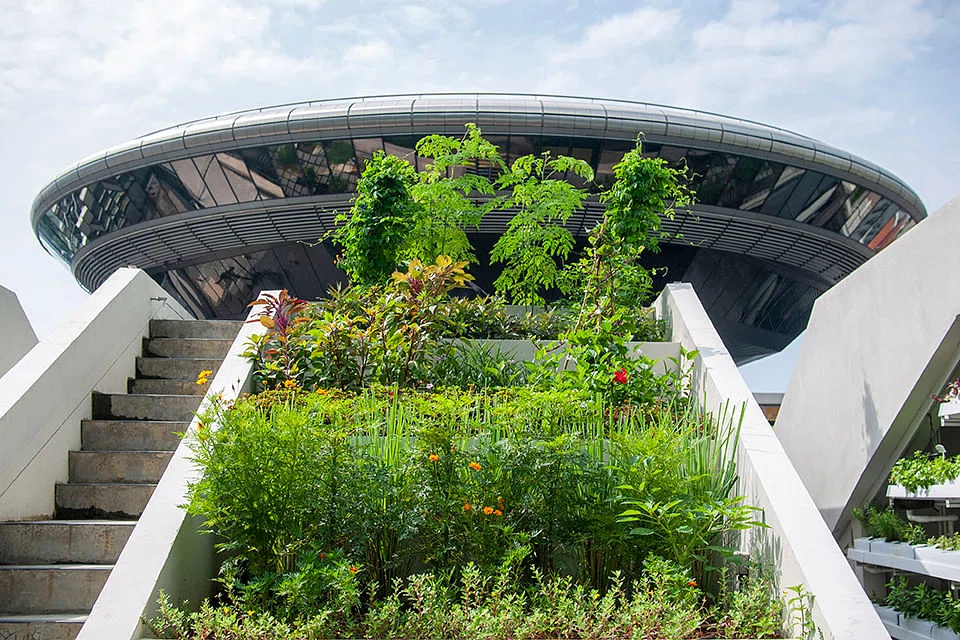
Amid the focus on efficient growing, more high-tech urban farms are sprouting in Singapore. Just last week, tenders were awarded for urban farms at seven Housing and Development Board multi-storey carpark rooftop sites.
The use of alternative spaces to bring food production closer to the community is another form of innovation that Singapore should embrace, says Edible Garden City's co-founder Bjorn Low.
The social enterprise has built over 260 edible gardens, and it operates farms both indoor and outdoor, including its largest at Queenstown and a rooftop urban farm at Funan.
"We tend to think of innovation a lot of times (as) technology innovation," Mr Low says. But he adds that there are other ways to go about ensuring food security, such as with social innovation and mindset shifts.
He notes that urban farms face challenges such as set-up costs, coupled with shorter land tenures. With land space at a premium in Singapore, more thought can be put towards innovating spaces within the community for food production, instead of limiting it to dedicated farms. This could also help with costs, he says.
"Instead of planting bougainvillea plants on a rooftop, why don't we plant it all out with cassava or tapioca, for example? And suddenly, we have a latent store of carbohydrates that is built within that landscape," he says. "With the amount of greening and the money spent to build out infrastructure for the greening, and to maintain it by landscape companies; it's just driving it to a more purposeful engagement to tie in with food security and sustainability."
Alternative staples
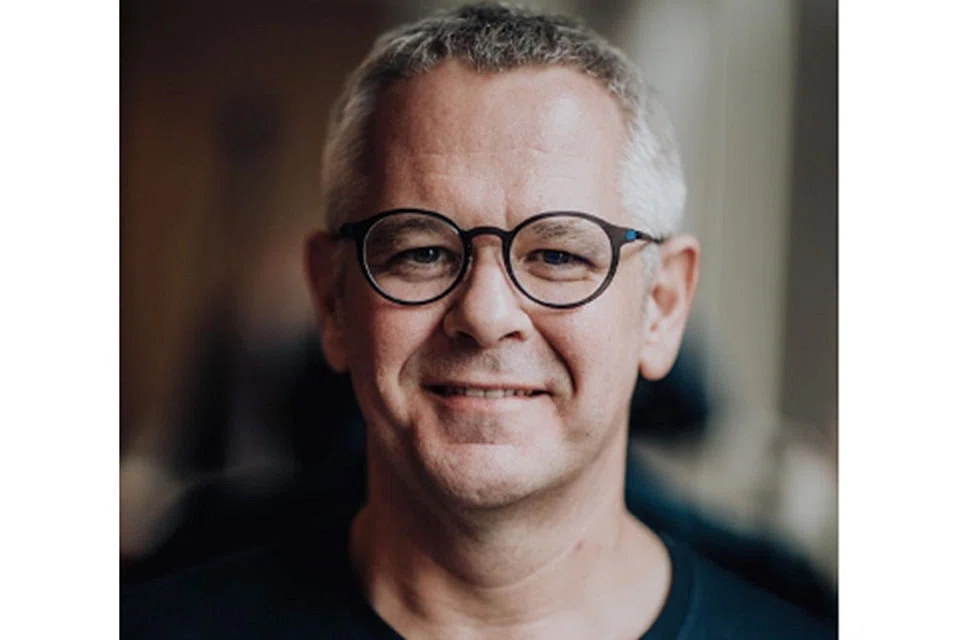
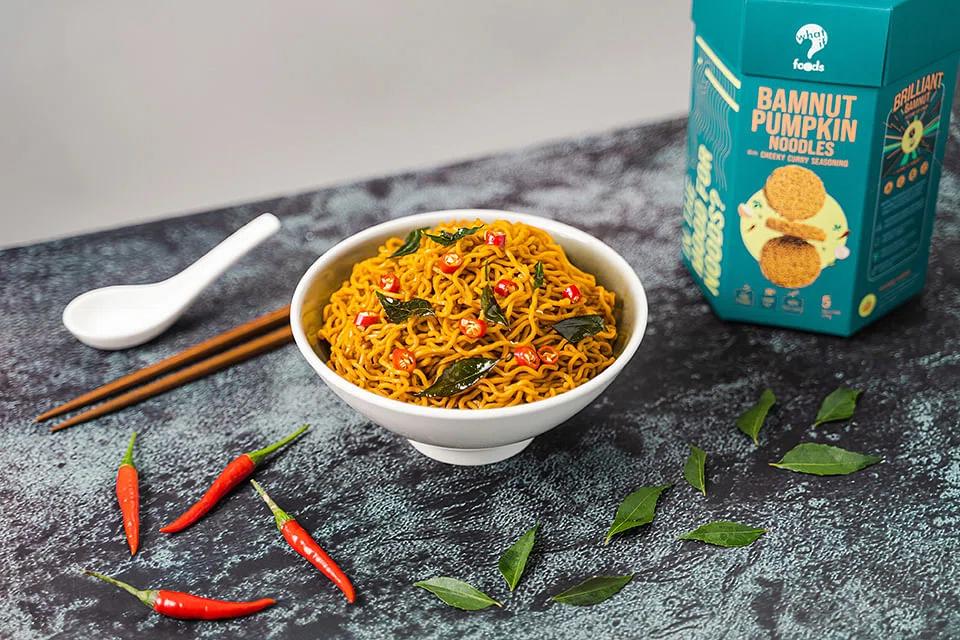
Not everything can be grown out of Singapore, however, and new businesses are emerging that focus on other areas of sustainable food production. "Sustainability is not enough anymore - the planet needs regeneration. The planet needs restoration," says Christoph Langwallner, founder and chief executive of Singapore-based WhatIF Foods. WhatIF's products are derived from Bambara groundnuts, a legume native to West Africa that is also grown in Thailand and Indonesia.
The crop is regenerative for the soil, says Mr Langwallner. This means it can be grown on land that has been degraded and can no longer be farmed commercially. "We are bringing new and fresh income to these communities on land that otherwise is essentially waste."
For a resilient food system, he notes that people need to think about other elements of their diet, such as staples, which may be unrealistic to grow here. There is also a need to establish strong relationships within the region.
WhatIF partners with communities who grow the crops, which it buys and turns into instant noodles, soups, shakes and milk - products that appeal to urban consumers. Mr Langwallner says they have also focused on taste and texture; their noodles come in flavours including sesame garlic, sweet hot and shroom pepper.
No-kill meat
Beyond farming, the alternative protein market - where meat is derived without animals - is another area gaining attention. And in this sector, Singapore labs are forging ahead of already commercialised production of plant-based meats.Interest is growing in cell-based meat, where meat is grown in the lab using animal cells without slaughter.
Last year, Singapore was the first country to approve the sale of cell-based chicken from San Francisco-based Eat Just. And in July, the production of cell-cultured chicken also started up here.
Cell-based seafood - such as fish, crab, lobster and shrimp - could also be on future menus, with companies such as Chinese firm Avant and local startup Shiok Meats looking into such products here.
Singapore-founded TurtleTree is also looking at technologies for cell-based milk - both bovine and human - which it hopes to bring to market in the "foreseeable future". Its scientific affairs liaison Vanessa Castagna says: "We and other companies can combine our efforts together to begin to make a change in the ways that milk is consumed and the way that milk is produced." Their goal is for cell-based milk to eventually have cost parity with standard agriculture.
In the next couple of years, TurtleTree plans to introduce cell-based protein products such as lactoferrin and human milk oligosaccharides - key functional nutrients in milk - which can be used as blends in products such sports nutrition beverages and infant formula, Dr Castagna says.
Anton Wibowo, chief executive of agrifood incubator Trendlines Agrifood Innovation Centre, notes that the cell-based segment has been getting a lot of attention, but production volumes are currently insignificant, even as technology matures with prototypes becoming available.
"Maybe another two years or three years, and potentially (it) can be playing a crucial contribution to Singapore's food security," he says.
His colleague, Nitza Kardish, chief executive of Trendlines Agrifood Fund, says such technologies could reshape the way people think about elements of food production: "Why do you need all these big animals with all the consumption that they need - food, water - and then you just get milk from them? In 10 years or maybe 15 years, our grandchildren will look at the dairy houses, and it will be a museum."
Future production of food could see factories with bioreactors and engineers working in them, Dr Kardish says. "It's high-tech, a very attractive position for people in Singapore."
But there is a need to focus on scaling up such technologies from the proof-of-concept stage to putting out an actual product, she adds. "We can't eat technology, we can't go to the supermarket and buy a nice idea."
Bigger ambitions
The rise of agritech may be a boon for food production, but new technologies come with cost.
Urban farms, for instance, are known to have high operating costs coming from energy usage from lights to grow vegetables, as well as the costs of developing technologies for automation, which means that higher-value crops are often the ones being grown.
Trendlines' Mr Wibowo notes that food security goals such as "30 by 30" should not be conflated with commercial goals.Technologies can eventually bring down costs of production, he says, but "as long as we can bring food from any other parts of the world, I think it will not make sense to aim to be able to produce cheap food to compete with the importing of food from overseas."
There would still be a market for premium produce, and companies that have developed their technologies can eye opportunities abroad to scale up. Mr Wibowo says: "For such companies to continue to be sustainable, then they have to go out into the international market. And that's where I feel they will make their money and Singapore will be where they make their brand and their reputation."
The opportunities for agritech companies are growing. The global indoor farming technology market is projected to grow to US$24.8 billion by 2026, from U$14.5 billion in 2020, says MarketsandMarkets. Meanwhile, Allied Market Research estimates that the global aquaculture market size could reach US$378 billion by 2027, up from US$285.4 billion in 2019.
Barramundi Group has already expanded overseas, with farms in Australia and Brunei. The company went public on the Euronext Growth Oslo in August. Mr von Scholten has noted that they are close to achieving profit at operating levels in Singapore and Australia, but are still investing in growth in Brunei.
Barramundi Group on Wednesday reported S$17.1 million in revenue for the first half of this year, up from S$14.5 million a year ago. It recorded a net loss of S$6.4 million, reversing the S$0.4 million profit a year earlier which had included S$5 million in fair value gain on biological assets.
Mr Wei says that Archisen is profitable on a gross margin basis. He feels Singapore can act as an interesting test-bed with its high costs of labour and land: "This is an issue that you have in many cities in Asia. And so, being able to produce a farming model that is based on these requirements will then be more exportable." The company aims to build the largest network of urban farms in Asia and is exploring regionally.
Increasingly, more and more are seeing opportunities in this space. NTUC LearningHub recently launched a six-month full-time digital agritech operations manager programme, and said there has been "overwhelming response" in applications for the upcoming two intakes.
Wider acceptance
Still, there is a need for demand from local consumers to match growing supply, businesses say. Attitudes towards local production have not reached the levels seen in more developed markets. Price may be a factor, as many consumers simply opt for the cheapest options available, which tend to be commoditised imports.
Edible Garden City's Mr Low believes there is merit in thinking more about the full cost of overseas imports, including the carbon price. Farmers here can also think of innovations to add value to their produce, such as growing varieties that have nutritional benefits. Last year, the Singapore Food Agency rolled out a "SG Fresh Produce" logo to help consumers easily identify local produce.
For food-loving Singaporeans, it may come down to taste and quality to convince locals. Local businesses believe that they can shine.
Barramundi Group notes that aquaculture allows for better consistency and freshness of produce compared to wild-caught fish. Mr von Scholten says: "As a consumer, you buy online, we literally go out, harvest the fish the day after (and) bring it to your doorstep."
That view is echoed by Archisen's Mr Wei: "Urban farming makes more sense, by virtue of the fact it is fresher (and) the nutritional value is maintained." He adds that the produce is also flavourful: "We (grow) our sorrel that is sour, our mustard that is spicy, our ice plant that is salty."
What he asks for is for Singaporeans to give local produce a try: "If they try and they don't like it, fine, right, it's purely based on merit. But you should just give local produce a try, and you can taste the difference."