

Lab-grown diamonds: brilliant for the environment and the pocket

MARKETING specialist Lim Xin Yi has been a conscious consumer since her days in university, willing to spend a little more on items such as clothes from retailers that are environmentally and socially conscious.
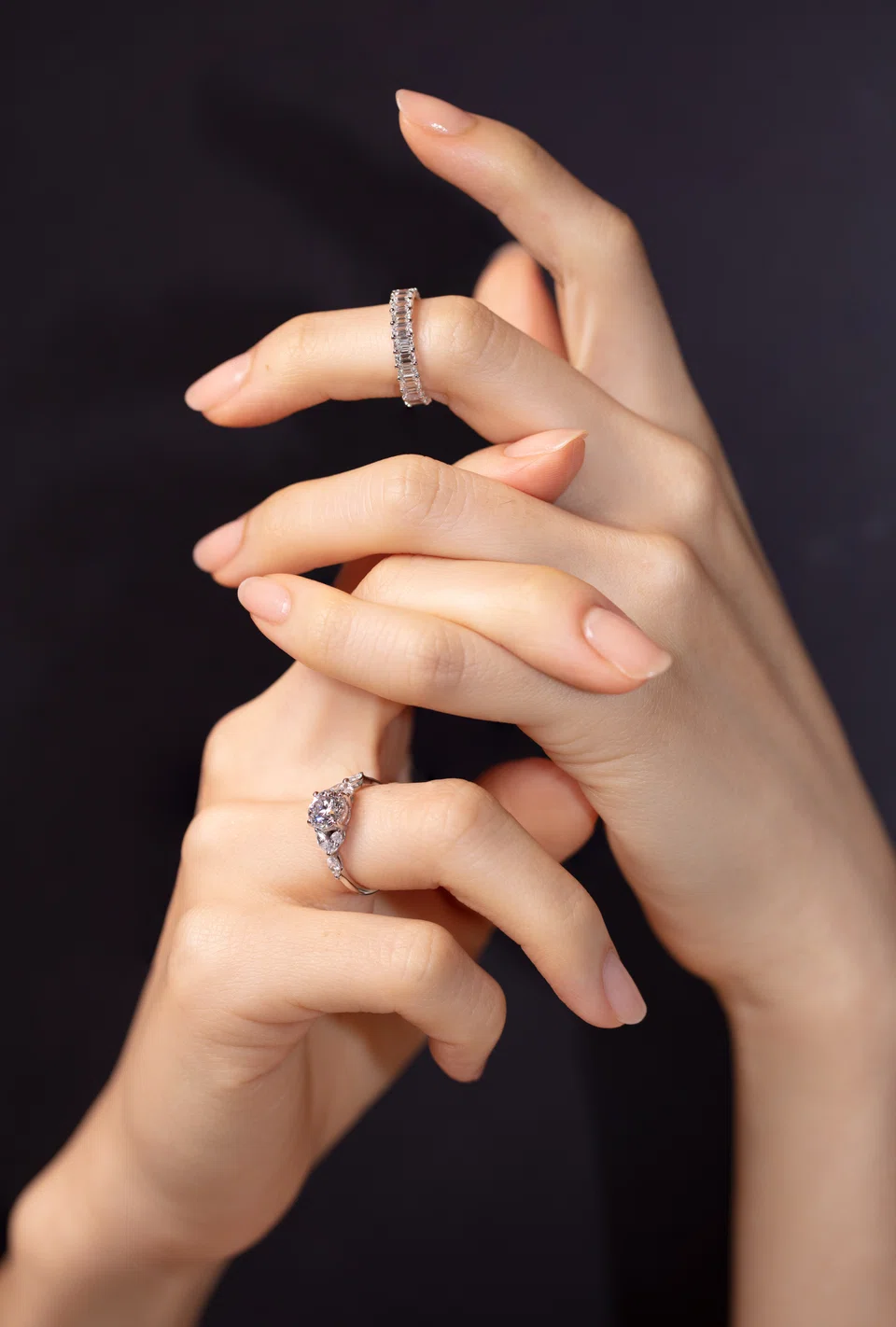
So when the 26-year-old started shopping for engagement rings when planning to propose to her boyfriend, it was a no-brainer decision to go with a lab-grown diamond over a naturally-mined one – though for once, the ethical choice was also the cheaper one.
“(With naturally-mined diamonds), I don’t know if child labour was behind the naturally-mined diamond if I were to get it,” said Lim.
“Even though on paper it could say that it was ethically sourced, it would take a lot of steps for me as a consumer to really trace the whole supply chain of this diamond, so I thought why not just go for a lab-grown diamond,” she said.
Lim is among a growing number of consumers with lab-grown diamonds as their gem of choice, especially for special occasions such as weddings and anniversaries.
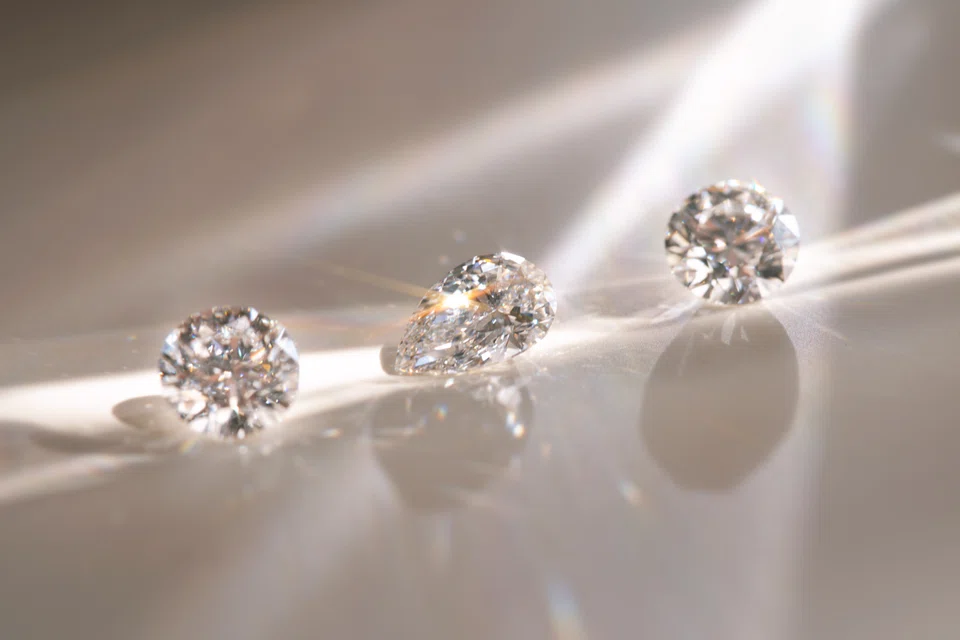
Not to be confused with diamond simulants, which are gemstones manufactured to look like diamonds, lab-grown diamonds are chemically, physically and optically the same as naturally-mined ones. The difference lies in how they are produced: one is made in the earth while the other is grown in a lab.
As one jeweller put it to The Business Times, even a trained eye cannot tell the difference without the use of laboratory equipment.
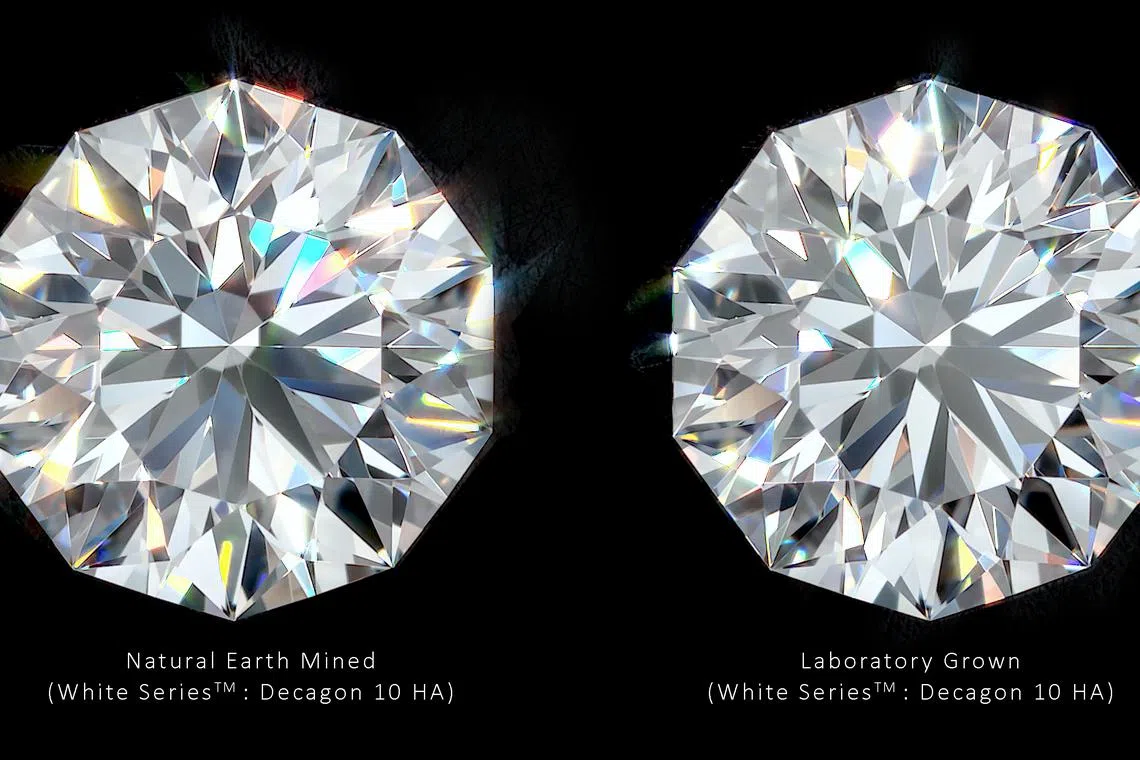
One reason for the recent rise in popularity is the increase in environmentally- and ethically-conscious consumers, many of whom are in their 20s and 30s. But the biggest selling point is the price: lab grown diamonds go for just 40 to 80 per cent as much as a naturally-mined one.
This was not always the case. Lab-grown diamonds have been around since the 1970s, but were then expensive and mainly used for industrial purposes.
It was only through recent technological advancements that manufacturers were able to grow higher quality diamonds, large enough to be used in jewellery, at a faster pace and lower cost.
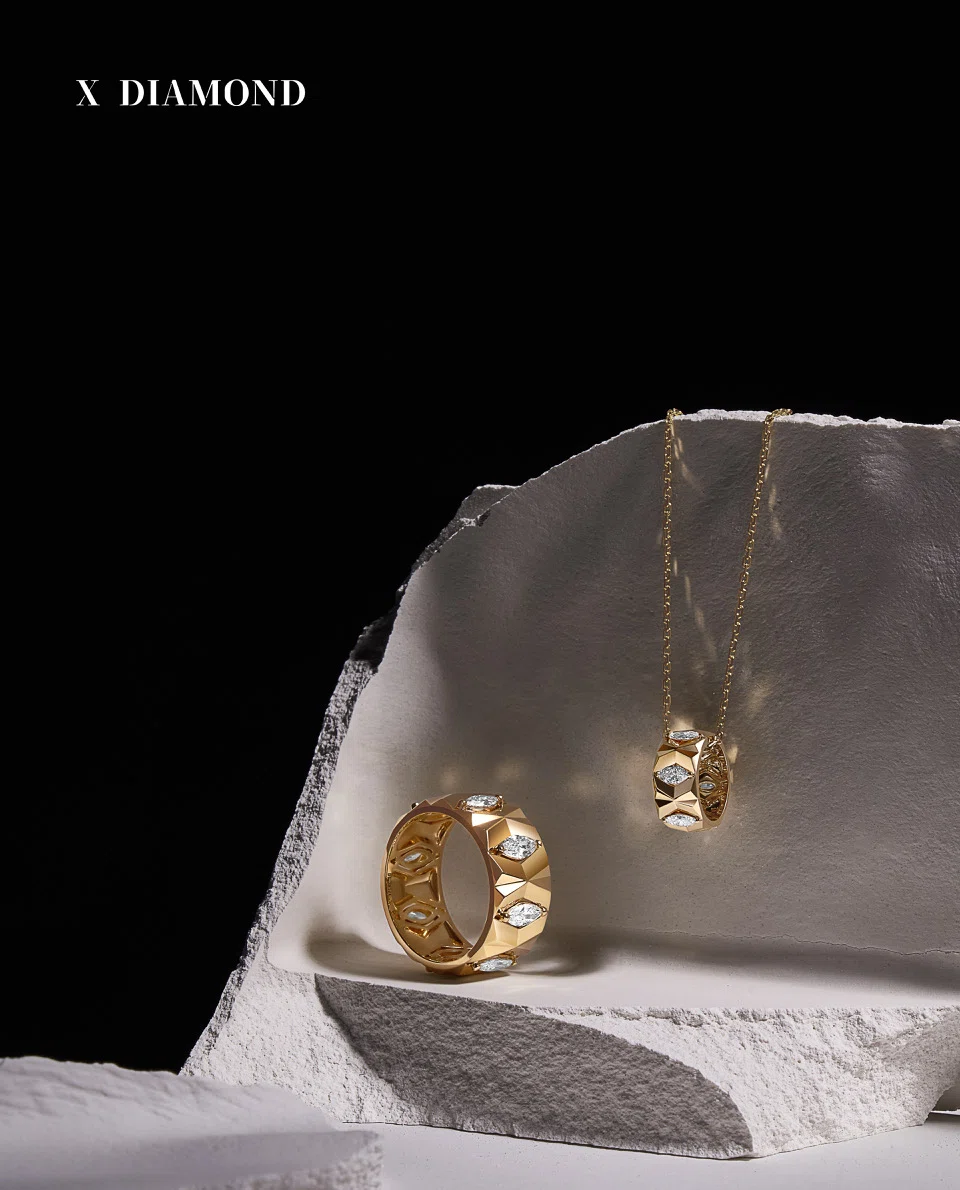
Deng Yiming, chairman of luxury jewellery company X Diamond Capital (XDC), estimates that the cost of growing lab-grown diamonds has fallen by at least 50 per cent in the last 5 years. The XDC Group, together with its Singapore-based joint venture company Asian Eco Technology, produces these in a facility in Kallang.
Other developments in the jewellery industry have also contributed to the lab-grown diamond’s rise in popularity. In 2018, the United States’ Federal Trade Commission (FTC) amended its jewellery guide, removing the word “natural” from its definition of a diamond.
In the same year, the world’s largest diamond company DeBeers introduced its first line of lab-grown diamonds through its Lightbox Jewelry fashion jewellery spinoff, selling these at a much lower price point than natural diamonds.
A year later, the Gemological Institute of America (GIA) – which grades and tests diamonds and is considered the world’s foremost authority on diamonds – stopped using the term “synthetic” in its lab-grown diamond reports.
This marked a turning point for the industry, said Daniel Lim, chief executive officer of SK Jewellery: “Before (the FTC decision), lab-grown diamonds could only be addressed as man-made or synthetic diamonds. At that time, we realised that it was an important tipping point because it meant that the certificate that we issue from America can now bear the title of just a diamond, rather than having additional terms that would confuse customers.”
Since then, growth of the lab-grown diamond segment has accelerated. Analysts estimate that lab-grown jewellery sales now form around 5 to 8 per cent of the total global diamond market, up from less than 1 per cent before the FTC decision, with some expecting this to approach 10 per cent by 2023.
The Diamond Ateliers founder Don S, a third-generation jeweller, put it thus: “It’s rather revolutionary in the sense that it is pushing down prices like never before, and there’s almost no other industry that has a substitute that is so perfect yet so much cheaper.”
Riding the trend
In Singapore, interest in lab-grown diamonds has similarly grown in the last few years, according to retailers to which BT spoke.
SK Jewellery was the first major jewellery player here to branch out into this area, launching its lab-grown diamond line Star Carat Shop in 2019.
Others, like GoldHeart Jewelry, have just started to advertise and push their lab-grown diamond products.
But some jewellers, such as Lukfook Group, are holding out. Nancy Wong, the group’s executive director and deputy chief executive officer, told BT that it does not currently use lab-grown diamonds, though it is keeping an eye on their future development.
Poh Heng Jewellery, which extols the “joy of natural diamonds” on its official website, declined to comment when approached for the story.
At the other end of the market, smaller boutique jewellers have entered the scene in the last 3 years to seize the opportunities in this emerging space.
The Better Diamond, a jewellery brand which focuses on lab-grown diamonds, was started in 2019 after the three co-founders had struggled to find substitutes for naturally-mined diamond engagement rings for a close friend.
“There were very few modern options available in Singapore then. There were diamond simulants like moissanite and cubic zirconia, but they were not a comparable substitute,” said co-founder Adeline Lin, who is also the company’s chief marketing officer.
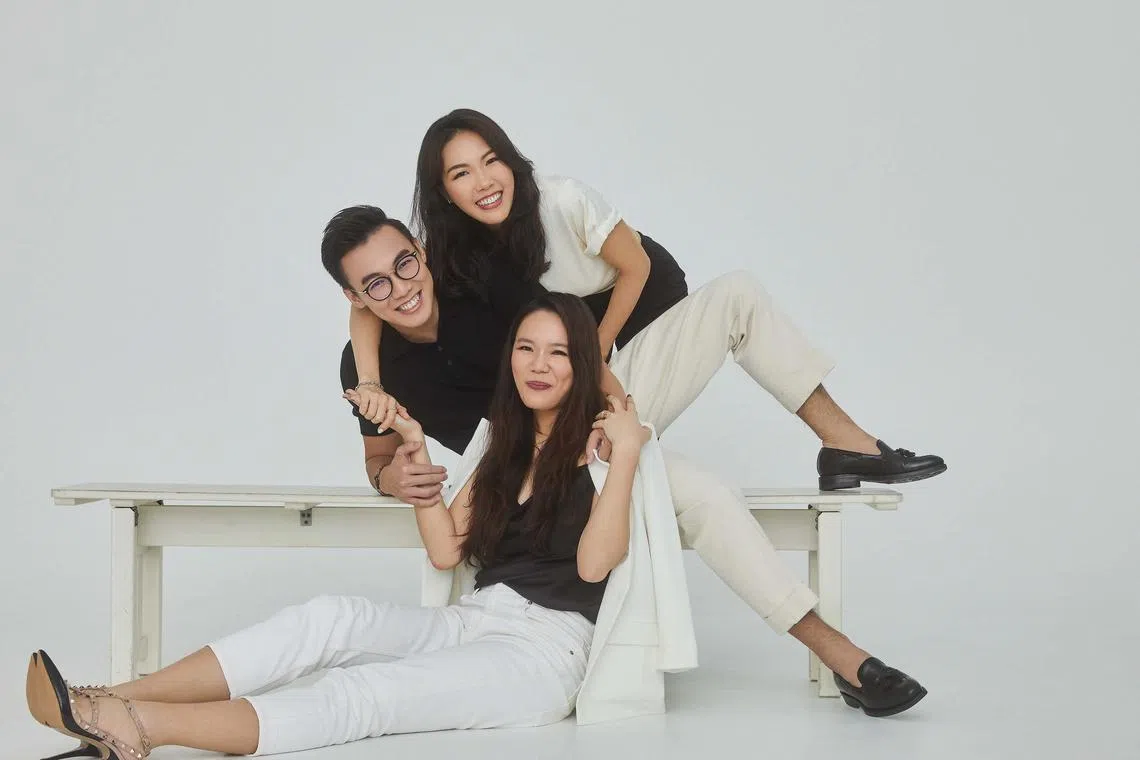
The co-founders also realised then that many people were either unaware of or had misconceptions about lab-grown diamonds. This inspired them to incorporate education in their business model, which focuses on offering a personalised experience to customers.
“We understand that consumers nowadays don’t really want to be told what to purchase, they want to be guided and taught… so we also try to align with them on that,” said Lin.
“We are quite a big fan of destructive technology, so we believe in giving consumers more options and enabling them to make empowered decisions, especially those which stand for a good cause,” she added.
The Better Diamond has seen “exponential growth” since it began 3 years ago, though Lin declined to share exact figures. They see an average of between 80 to 100 clients each month, though Lin noted that this fluctuates.
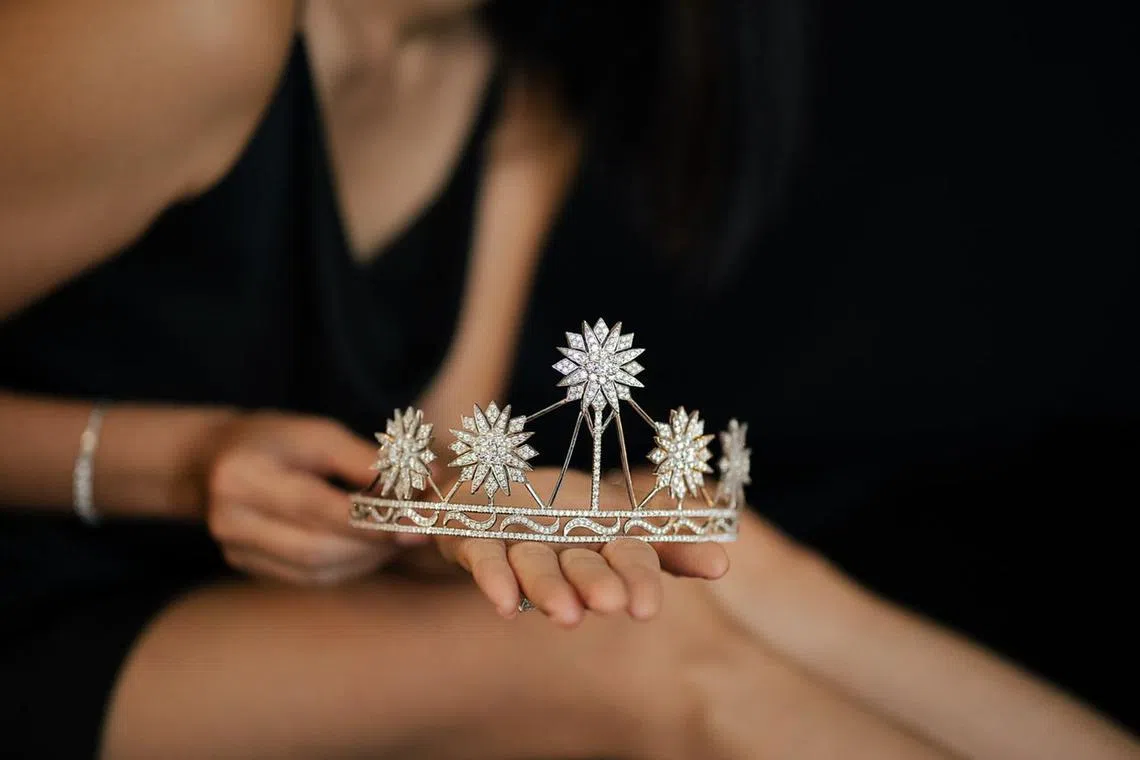
One highlight was being approached by Miss Universe Singapore in 2021 to collaborate on a crown made entirely out of lab-grown stones.
“To be honest, we were very shocked,” said Lin. “But that was also when we realised that lab-grown diamonds have a place in Singapore.”
Having opened just shy of 8 months ago, Authica J is another young upstart in the lab-grown diamond space in Singapore.
Its 3 founders – Iris Tan, Sharon Sim and Devin Nathanael – started out in one of the major local jewellery chains and decided to strike out on their own after they saw an opportunity in this emerging market.
Much like their peers, the trio were drawn to the lab-grown market partly for environmental reasons. But they were also drawn by the more affordable and thus attractive price tag of lab-grown stones, and frustrated with what they saw as a lack of consumer education in the traditional jewellery industry.
“So that’s why when the three of us came together, we knew from the start that we wanted to do things very differently,” said Tan. “We want to educate our customers first on the quality of our diamonds, so they know they are making an informed decision, but at the same time educate them about how lab-grown diamonds are the better choice”.
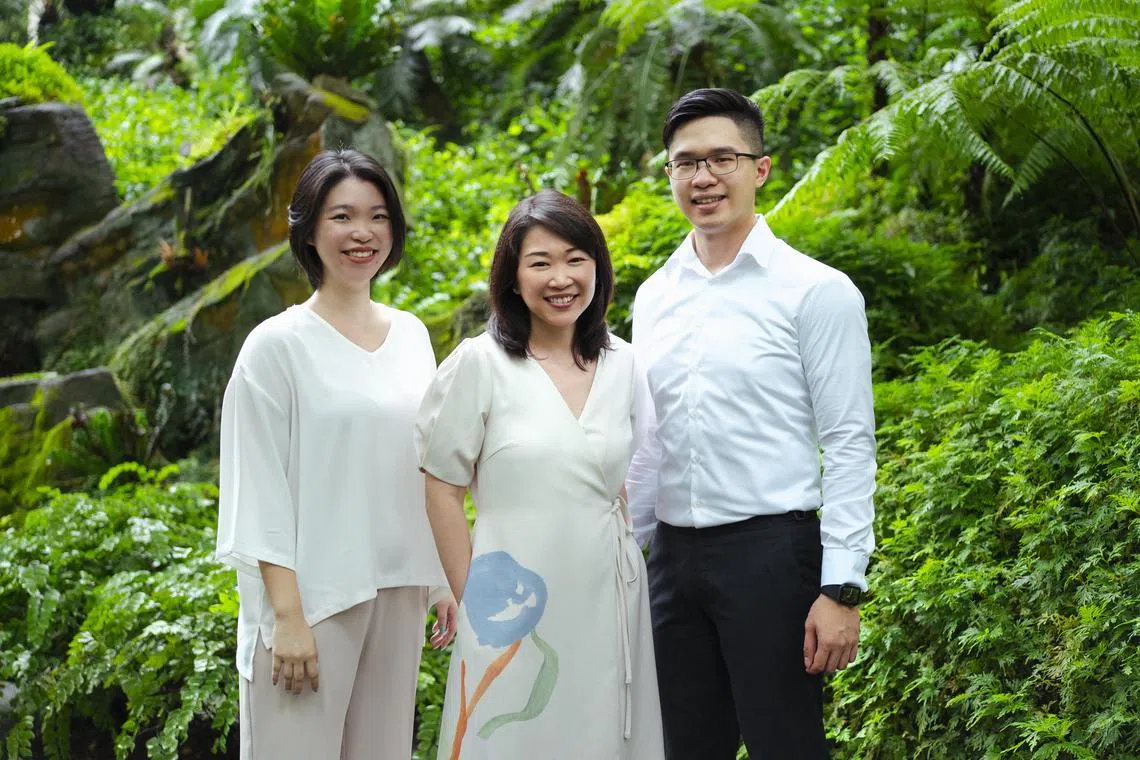
Tan said it is still too early to give details of their business performance, but the feedback has exceeded their expectations: in their first few months, sales have grown to an annualised 7-figure sum.
“Based on this projection, I think it’s very encouraging for a small bespoke studio like us,” she said.
Branching out
For established and traditional jewellers which have branched out to offer lab-grown diamonds, sales have been growing steadily too.
While he declined to give figures as that would “cause discomfort in the industry”, SK Jewellery’s Lim said Star Carat has seen a “rewarding journey” since the line was launched 3 years ago.
He added that lab-grown diamonds are becoming a “main pillar” of the business, and the group intends to continue investing heavily into this segment.
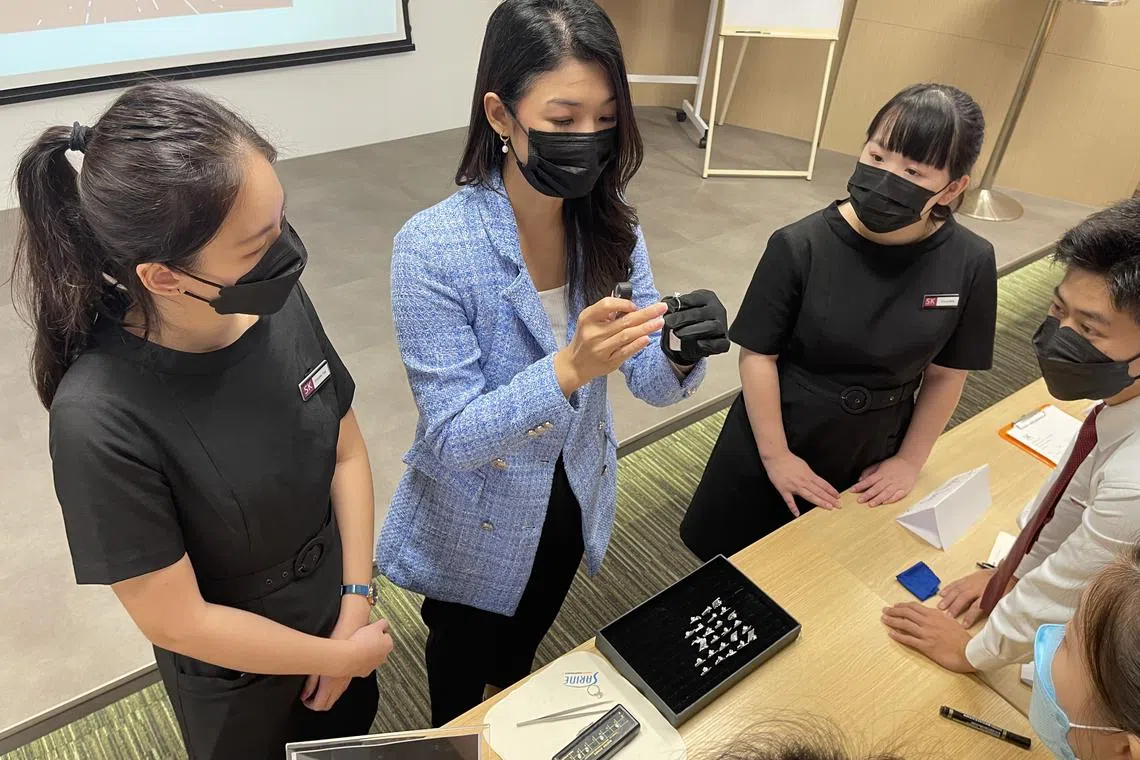
JannPaul Diamonds, set up in 2010, now sells some 500 to 600 lab-grown diamonds from its White Series collection every month, double the volume sold at the collection’s launch 2 years ago, said co-founder Casey Lai. The segment now forms 35 per cent of the company’s total business.
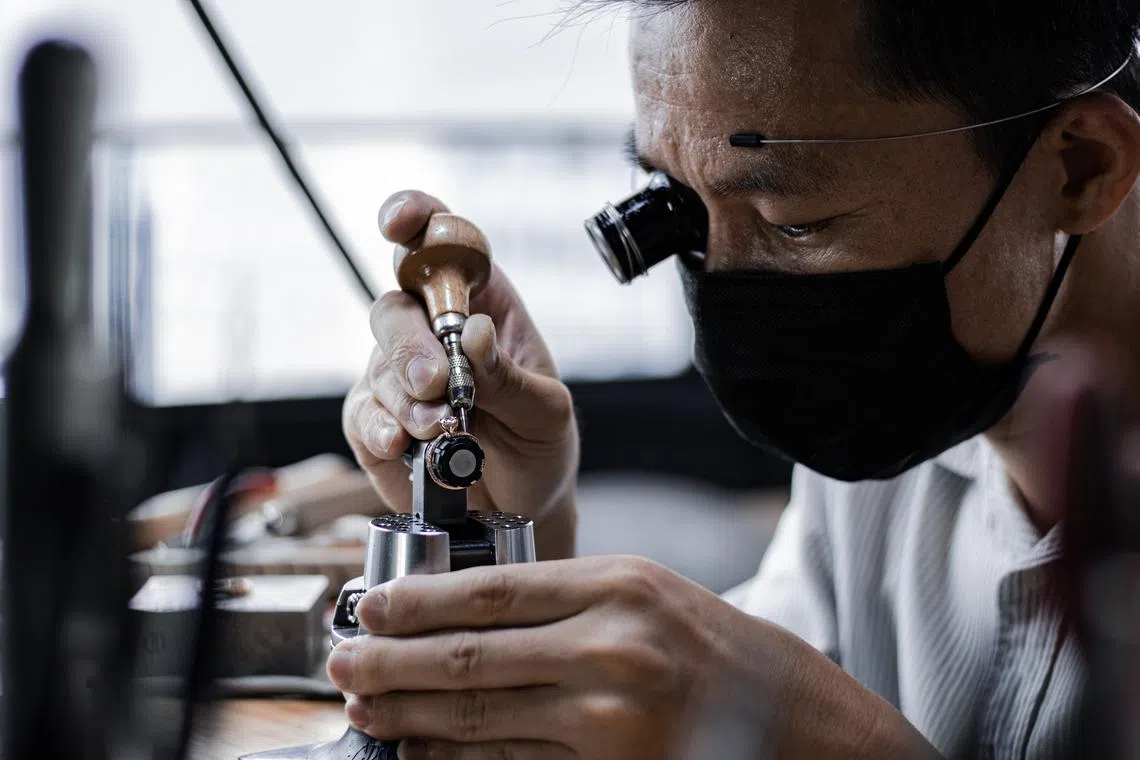
Since 2020, between 40 and 50 per cent of enquiries received have been for lab-grown diamonds, Lai added.
“A challenge we have is that our lab-grown diamonds are regularly sold out due to our competitive pricing, as well as high demand and relatively slow supply, since we slow-grow our lab-grown diamonds,” said Lai, who added that the slow-growing process extends the production process by up to 3 months, compared to 3 to 4 days when speed grown.
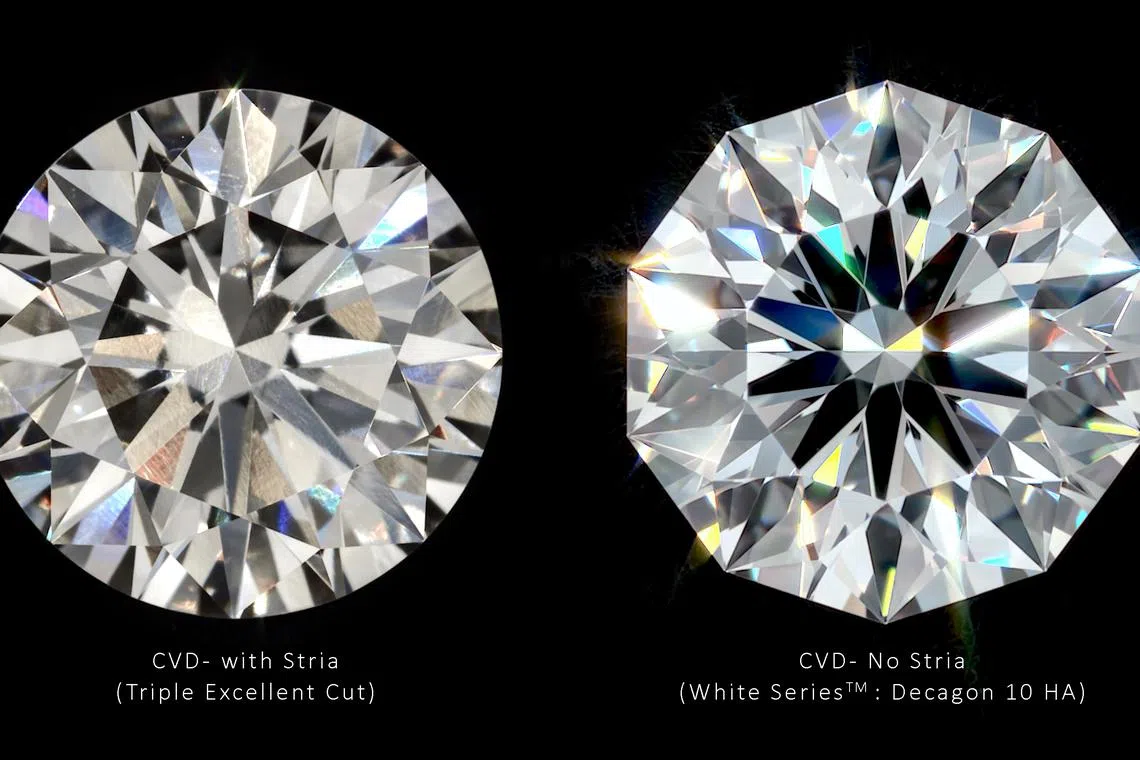
JannPaul slow-grows its diamonds because speeding up the process could create unnatural hues or stria – a layering effect which happens when the growth process is not well controlled.
Local jeweller The Diamond Ateliers opened in 2019 with just naturally-mined diamonds, but added lab-grown diamonds to their offerings at end-2020 – and the latter now form 80 to 90 per cent of its business, founder Don S told BT.
XDC, which also specialises in the research and development of microwave plasma application technology, began research into lab-grown diamonds in 2017. Though its sole physical store in Ion Orchard only opened this March, demand has been strong, said Deng: the store sells about 100 carats a week and has sold out many of its jewellery pieces.
Unlike other local retailers, XDC has seen demand mostly for their fashion jewellery rather than bridal wear. These pieces appeal to their mostly young clientele – 60 per cent are in their 20s and 30s. The remaining 40 per cent of older customers tend to go for larger stones, at around 2 carats or more, he said.
Looking ahead
Despite the promising performance so far, local jewellers are mixed on the growth potential of lab-grown diamonds and how large a share of the total jewellery market they could eventually form.
On the one hand, some are sanguine that the demand in lab-grown diamonds will only continue to grow – especially as price of natural diamonds is expected to jump due to supply shortages and the US ban on Russian diamonds following the latter’s war in Ukraine.
As consumers in Singapore still lack information about lab-grown diamonds, “there is a lot of room to grow”, said Lai, who believes that lab-grown diamonds could eventually form 50 per cent of the diamond market.
However, Lai also foresees that as consumers become more knowledgeable, some diamond growers who have jumped on the bandwagon will eventually be phased out as buyers become more discerning about the quality of lab-grown stones.
XDC’s Deng expects that lab-grown diamonds will likely only capture up to 15 per cent of the entire jewellery industry in the next 2 to 3 years: “Although a lot of retailers are trying to enter the industry, one of the limiting factors is that there is a shortage of resources and technical expertise to make jewellery-grade lab-grown diamonds right now.”
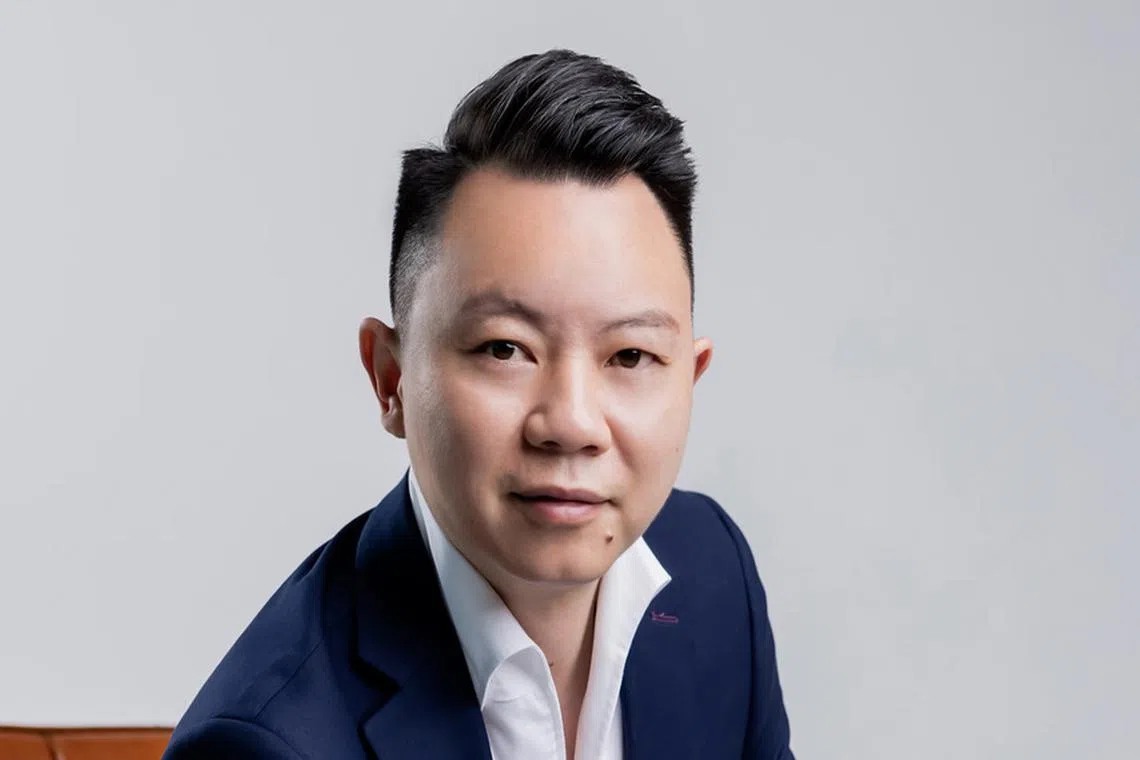
Still, he remains optimistic that in the next 10 years, lab-grown diamonds can capture at least 40 per cent of the market, as more people come to recognise their affordability and sustainability.
The industry has invested a lot of money in the last 2 years to expand the scale of lab-grown diamond manufacturing, he noted.
On the other hand, other jewellers noted that lab-grown diamonds are still mostly popular for bridal jewellery – a small share of the whole diamond industry pie – and have yet to become widely used in fashion jewellery, the way naturally-mined diamonds have.
While the segment has seen accelerated growth in the last 4 years, it still takes up only a small fraction of the entire market.
Said SK Jewelley’s Lim: “Lab-grown is still in the single-digit category compared to mined diamonds… So even if you double that few per cent, it is still less than 10 per cent so it’s probably not going to affect the naturally-mined diamond segment.”
The consensus among jewellers is that no matter the developments in the lab-grown diamond market, there will always be demand for naturally-mined diamonds.
“A lot of people have built emotional attachment to natural diamonds, especially during important occasions or moments in life to convey some form of symbolic meaning – and true love is real, rare and unbreakable,” said Lukfook Group’s Wong.
TRENDING NOW

Singapore identifies 7 firms responsible for haze fires, notices issued urging action: Grace Fu

‘How many will survive?’: Bubble fears arise as China’s humanoid robotics face reality check
GIC-backed Bank Jago sees wealth management as next growth engine as Indonesian investor base grows

Ageing in Asia: Huge potential for the consumer economy

