7-Eleven Singapore taps toys and collectibles to position stores as ‘places of discovery’
It rolls out exclusive merchandise under a Kawaii Collection that is refreshed every two months

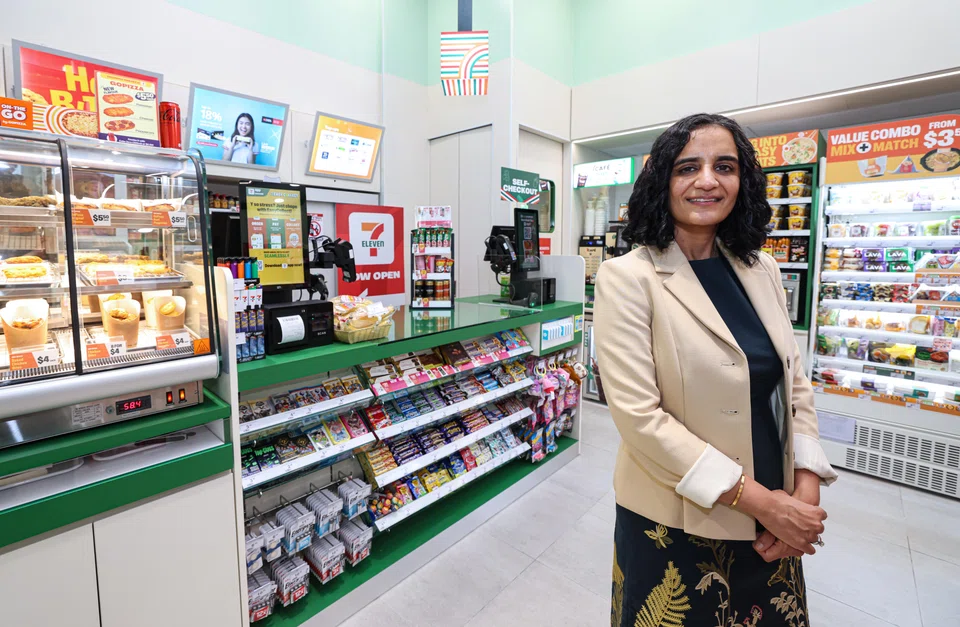
[SINGAPORE] 7-Eleven Singapore is turning to toys and collectibles as a new growth lever, as the convenience-store chain seeks to defend its edge in an increasingly crowded retail market.
Over the past two years, the company has expanded its toy offering, rolling out exclusive merchandise under a Kawaii Collection that is refreshed every two months.
The range features licensed intellectual property such as Crayon Shin-chan – a popular Japanese manga series and television show – alongside blind boxes and small collectibles developed specifically for 7-Eleven outlets.
While toys still contribute only a single-digit share of sales, the segment is growing “rapidly”, said managing director Anushree Khosla.
Collectibles help tap into what retailers globally describe as “kidulting”, where adults increasingly buy toys for themselves, she added.
The push reflects broader consumer trends across Asia-Pacific, where demand for character-driven merchandise and limited-edition items has been rising, particularly among young adults. Singapore consumers, Khosla noted, “love collectibles” and have shown a strong affinity for well-known characters and novelty formats.
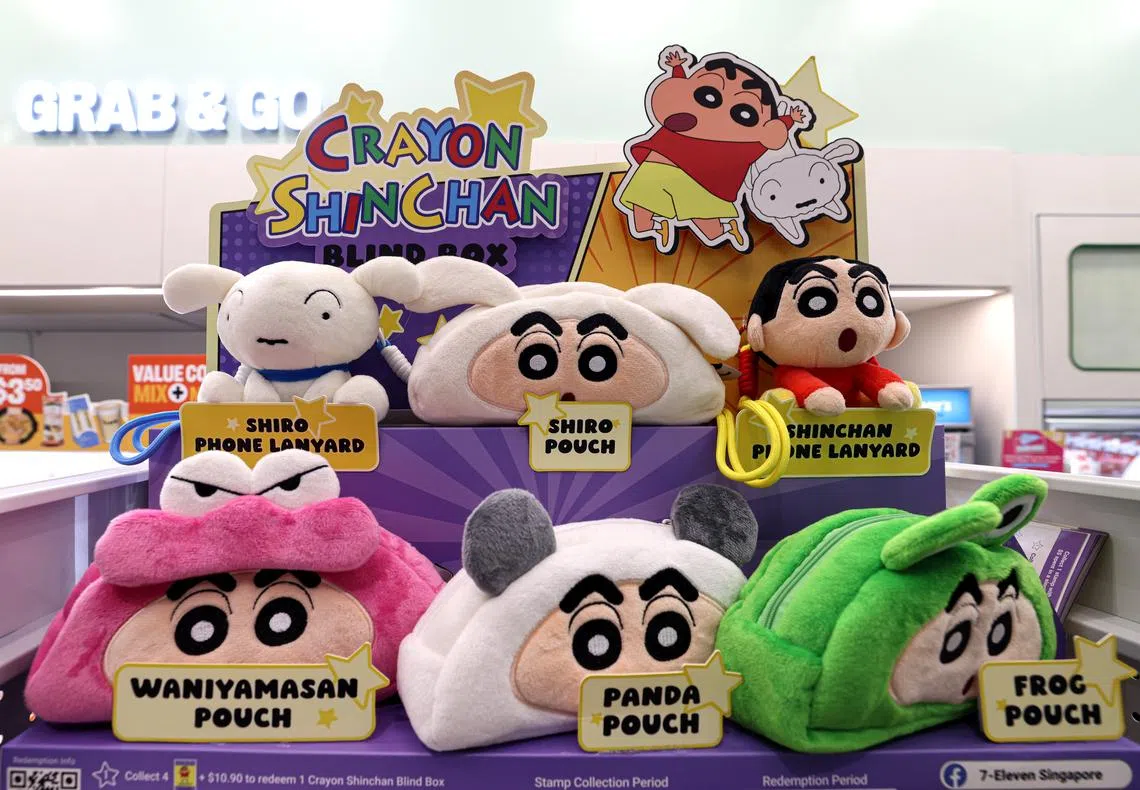
Behind the initiative is a sourcing team that tracks regional trends and visits trade fairs to identify emerging intellectual properties.
Rather than importing off-the-shelf merchandise, the team works with suppliers across multiple markets to design and produce exclusive ranges for 7-Eleven. Each collection is developed with a defined life cycle, typically refreshed every two months, to maintain a steady cadence of newness in stores.
The collectibles strategy also ties into a broader ambition: moving Singapore’s convenience-store experience closer to the discovery-led model seen in Japan and Taiwan. In those markets, convenience stores double as destinations for browsing, snacking and limited-edition finds.
Singapore is “still not close to Japan”, Khosla acknowledged, though it remains a long-term benchmark.
In Japan, convenience stores are widely seen as “places of discovery”, she added, where consumers actively seek out new products rather than make last-minute purchases.
Replicating that behaviour in Singapore requires changes not only to product assortment, but also to store environment and customer flow.
To narrow the gap, 7-Eleven has been reshaping both its product mix and store formats. On the shelves, it is bringing in more exclusive items and experimenting with localised offerings – such as mala onigiri – to recreate a sense of novelty.
In stores, lighting, signage and displays have been refreshed to encourage customers to linger rather than make quick, transactional purchases. About 50 outlets have been upgraded so far, with brighter zones highlighting new snacks, beverages and toy launches.
These changes form part of a shift from “last-stop convenience” towards what the company calls “foodvenience”: stores centred on ready meals, curated snacks and products not easily found elsewhere.
Not everything that works in Tokyo translates locally, Khosla noted, so concepts are tested in Singapore before wider roll-out.
Consumer feedback is assessed before new formats or product categories are scaled across the network, as the company balances experimentation with commercial discipline, amid cost and space constraints.