

Financial health of young Indonesians worsens in 2025 as savings decline: OCBC survey
The OCBC Financial Fitness Index for Indonesia falls for the first time in four years

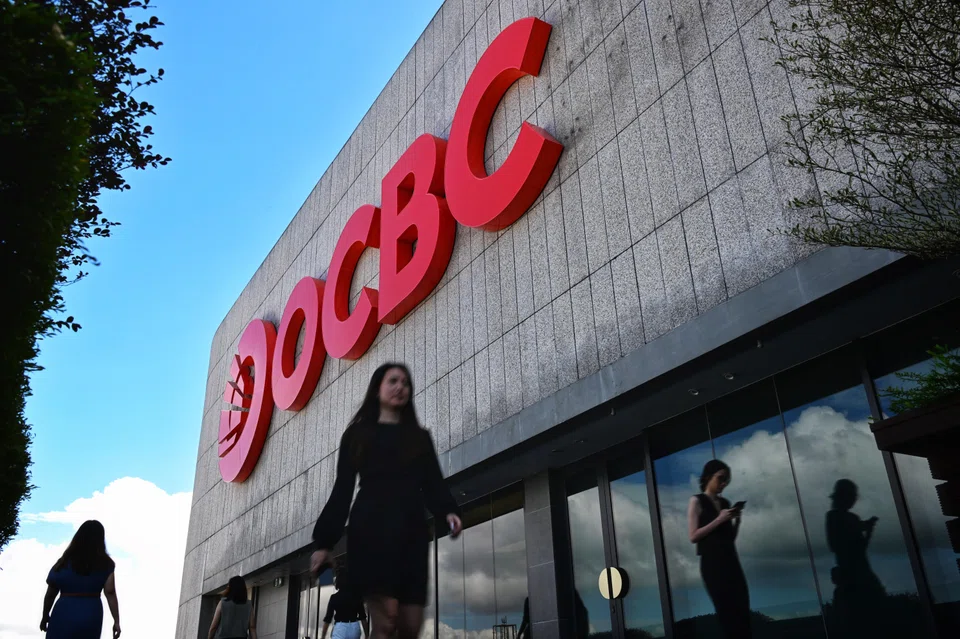
[JAKARTA] The financial health of Indonesia’s younger generation has fallen in 2025 amid a decline in savings, a survey by OCBC has found.
The OCBC Financial Fitness Index, which measures the financial health of Indonesians aged 25 to 35, fell 0.65 point to 40.6 points in 2025.
With a maximum score of 100, the bank classifies a score between zero and 40.59 as pointing to low financial health, and between 40.6 and 100 as high financial health.
In Singapore, the equivalent OCBC Financial Wellness Index stood at 61 points in 2024, before the survey was discontinued.
While Indonesia’s score is within the healthy range, the bank said it was “far from ideal”. It also fell for the first time in four years of measurement.
The survey found that 89 per cent of respondents saved regularly, down from 92 per cent last year, with the decline more pronounced among the lower wage segments earning five million rupiah (S$383.36) to 15 million rupiah a month.
Emergency fund readiness also remains low. Only 19 per cent of young Indonesians have set aside emergency funds in case they lose their jobs, a significant drop from 25 per cent last year.
The survey also found that many people put their savings in material assets such as houses or luxury goods – rather than investment products – as more people defined wealth through materialism.
Nevertheless, OCBC said Indonesia’s younger generation is becoming more aware of the importance of managing their finances.
Ownership of complex investments, such as mutual funds, stocks, forex or crypto, rose to 4 per cent from 2 per cent, mainly among those who already have emergency funds and a good understanding of these investments.
Gold bar investments rose to 6 per cent from 2 per cent, although this was partly driven by those who lack knowledge of similar assets, such as online gold investments.
Nearly one in three (29 per cent) among the younger generation is setting aside retirement funds, up from last year, and ownership of passive income remains relatively stable and improving.
The bank said it is optimistic that it can help Indonesians “win this economy”.
This comes as the lender is looking to grow its personal banking business, a segment that largely comprises the younger generation and young families.
Johannes Husin, consumer banking director at OCBC Indonesia, noted that, historically, the personal banking segment has not been a main focus for the bank.
This segment is not big on wealth planning, which the bank is stronger at, and is more active in the social banking space.
But with the development of digital processes, OCBC is looking to expand in the space “more aggressively”, given the trajectory of the Indonesian demographic, he said.
“We will be more confident in growing the business. In the meantime, they will still need protection on responsible investment or spending, and a lot of our efforts are aimed towards that protection.”
Among key indicators of the index, the score for financial basics declined the most – falling 4.57 points to 70.
This segment includes respondents’ ability to pay monthly mortgage payments, shop beyond daily necessities without affecting financial plans, and pay unsecured debt instalments properly.
The financial safety score also decreased, by 0.32 point to 43.89 points. Within the segment, respondents fell in their ability to meet family financial needs, save regularly and have enough funds to survive for six months if unemployed.
Meanwhile, the scores for financial growth and freedom rose 1.56 points and 0.91 point, respectively.
TRENDING NOW

Once staunchly pro-China, Malaysian Chinese businesses are now distancing themselves from Beijing

Looking beyond looming CEO succession, should UOB potentially pursue a transformative merger?

Could stablecoins be the future of money?

Grab CEO’s wife Chloe Tong on life with Anthony Tan and finding her purpose

