

Influencers agree the ‘not financial advice’ disclaimer is insufficient, as MAS issues warnings to five content creators
But they say MAS guidelines will make them more careful about the clients they choose to work with

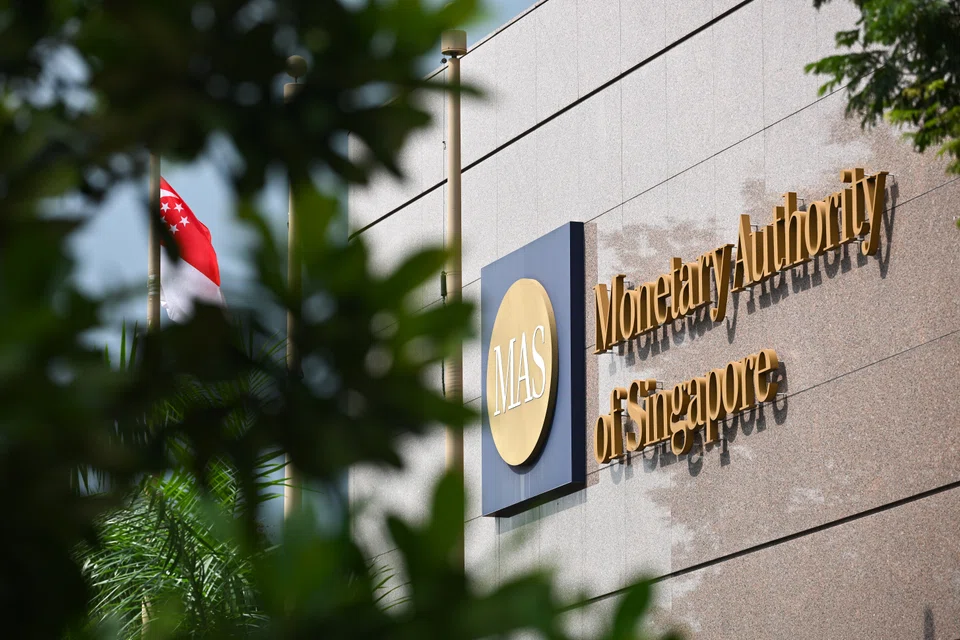
[SINGAPORE] Getting your financial education from advertisements on social media? Ads put out by “sketchy” firms may be on the way out, and be replaced by messages from more credible “finfluencers”, online content creators told The Business Times.
They were responding to the news on Thursday (Sep 25) that the Monetary Authority of Singapore (MAS) had issued new guidelines outlining the roles and responsibilities of financial institutions when advertising in the digital space.
That same day, MAS said it had sent advisory letters, which do not carry penalties, to five content creators who may have provided financial advice without a licence. Their identities and potential infractions were not disclosed.
The regulator also released a seven-step checklist for online content creators, with tips on building trust, understanding licensing requirements and choosing the right partnerships.
Social media platforms have enabled many to carve out niches as financial influencers, moving beyond the blogs and listicles that once dominated the space. But the rise of this kind of content has also increased the risk of harm to consumers from misleading or inappropriate content.
Content creators welcomed the move, saying the guidelines could give them more leverage in managing client expectations.
“It is not easy to stand one’s ground against clients who insist on having a message communicated according to how they want it to be – since it is a paid collaboration – so I see this latest set of MAS guidelines as beneficial because it will now help me to educate clients better on what the expected standards are,” said Dawn Cher, better known online as SG Budget Babe.
Chris Chong, who runs the HoneyMoneySG and SoloBizSG accounts, said the guidelines could also well lower the incidence of tie-ups with unlicensed or “borderline” firms – which he said was “an excellent thing”.
“It also means the quality of influencers that financial institutions work with needs to step up, because they’ll be expected to show credibility and handle compliance properly.”
Others echoed this view. “We might scrutinise even further the type of clientele we take on,” observed He Ruiming, co-founder of The Woke Salaryman, a personal-finance education company that uses articles and comics to break down financial concepts and promote financial well-being.
Similarly, Seth Wee, who runs a website and social media accounts under the Sethisfy handle, said he has already turned down “numerous sponsorship offers, such as those from non-regulated trading platforms and sketchier companies”.
He added: “I think providers of investment products would be more wary about their influencer marketing campaigns in the near future.”
Cher added that the rules may also shift behaviour on the advertiser side. “Now that MAS has clearly communicated that financial institutions (should not) outsource their accountability, I also hope it will make advertisers more mindful about the content creators they choose to work with.”
The content creators interviewed said they do not expect to overhaul how they work, as they already follow strict procedures.
Asked how The Woke Salaryman draws the line between general content and regulated advice, He said: “We might share our investment decisions, but we are never prescriptive.”
For instance, saying “I own 1 to 5 per cent of my assets in gold” is very different from saying “you should have 5 per cent of your assets in gold”, he explained.
Chong added that the seven-step checklist is “practical as a quick guide”.
The most useful part, he said, is the reminder that a licence may be required if someone recommends buying, selling or holding a specific product, or tailors advice to an individual’s situation.
“Just saying (this is) ‘not financial advice’ isn’t enough. I see far too much content that crosses that line, often funnelling viewers straight into an investing (or) trading course,” he said.






