

About half of Singapore fund managers expect STI to rise 5-10% in 2026, potentially hitting fresh records
According to the Imas survey, the positive outlook comes amid broader bullish sentiment towards Asian equities

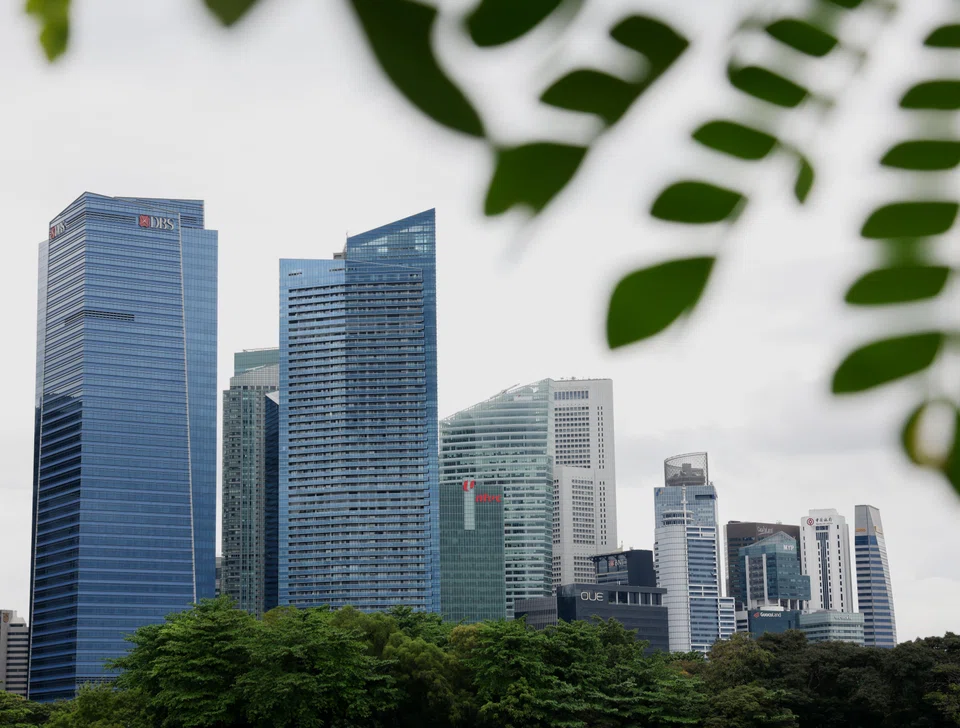
[SINGAPORE] Fund managers remain bullish on local equities, with 52 per cent of respondents in an Investment Management Association of Singapore (Imas) survey expecting the Straits Times Index (STI) to strengthen by 5 to 10 per cent by the end of 2026.
This optimism is underpinned by resilient bank earnings, attractive dividend yields as well as proactive government measures to revitalise the equity market.
With the STI around the 4,500 level at the end of November last year when the survey was conducted, about half of respondents expect the benchmark index to rise to the 4,800-to-5,020 range by the year’s end, potentially setting fresh records.
In comparison, the STI gained 22.7 per cent in 2025. On Jan 20, the index ended 0.1 per cent lower at 4,828, while an all-time high of 4,849.10 was reached earlier this month.
The positive outlook for Singapore comes amid broader bullish sentiment towards Asian equities.
Japan and China emerged as the top-rated markets for 2026, with 21 per cent of respondents identifying each as potential outperformers, overtaking India and Singapore. Nonetheless, Singapore ranked third (tied with Taiwan), with the market expected to deliver its strongest performance in 2026.
In terms of equity forecasts, 72 per cent of managers expect the MSCI Asia ex-Japan Index to rise by 10 to 20 per cent, while nearly 90 per cent expect the STI to either strengthen or remain stable.
These findings were highlighted in Imas’ annual Investment Managers’ Outlook Survey published on Tuesday (Jan 20).
Now in its 11th year, the survey drew responses from C-suite professionals across 63 Imas member firms, including Singapore-based fund managers and asset owners who collectively oversee more than US$35 trillion in global assets.

The survey examines how firms are navigating shifting macroeconomic conditions, geopolitical tensions and structural industry changes, while identifying the key themes likely to drive capital allocation.
Fund managers expect these three developments to have the most impact on them in the next 12 months: the increased adoption of artificial intelligence (AI); the further rise of alternative investments; and growing regulatory obligations and rising operational costs.
Notably, the inclusion of AI as a key factor was introduced in this year’s survey, while the growing concern over regulatory pressures is emerging as a new challenge in 2026.
Role of AI
At a media briefing on Tuesday, Jenny Sofian, chairman of Imas, told The Business Times that as regulatory changes unfold, asset management firms must enhance their compliance capabilities.
She said the regulatory conversation goes beyond AI, noting that the market is changing quickly due to both technological developments and wider industry disruptions.
Ruth Poh, chairperson of the Imas regulatory committee, highlighted that over the past year, the Monetary Authority of Singapore released several information papers following inspections.
These focused on issues such as liquidity and risk management from a financial client perspective. Poh said that Imas members would adjust their processes and operational workflows accordingly to meet regulatory expectations, resulting in additional obligations for firms.
With fund managers operating across the region, Thomas Kaegi, chairperson of the Imas development committee, added that they must monitor regulatory changes in Singapore as well as in other jurisdictions. This compounds the cost of compliance.
Data from Imas’ new survey indicates that AI adoption has matured significantly. More than half of respondents are now using the technology in core investment functions, such as generating research insights and fund commentary.
Advanced analytics, machine learning and AI (including generative AI) collectively ranked as the No 1 area of interest by fund managers.
“The focus is now on scalable business models and the practical deployment of AI to deliver measurable productivity gains,” said Sofian.
Monetary easing expected
On key threats facing Singapore’s asset management industry over the next 12 months, fund managers cited the rise of passive investment solutions and ongoing margin erosion as primary concerns.
However, 2026 introduces a new challenge – a growing anxiety that the strong market performance in 2025 may not be sustainable. This shift suggests an increased sensitivity to market durability, alongside persistent, longstanding structural challenges.
Kaegi observed that managers are responding to margin pressure by becoming much more selective in their strategies.
“Rather than broad expansion, firms are prioritising initiatives that offer tangible outcomes – such as AI-driven productivity, a continued rotation into private assets and alternatives, and the adoption of leaner operating models,” he said.
Kaegi further noted that the acceleration of passive strategies and persistent margin compression continue to challenge active managers, especially as there are concerns that the exceptionally strong market performance of last year may not carry into 2026.
On a broader macroeconomic level, perspectives on global inflation remain nuanced. Some 69 per cent of survey respondents expect the US Federal Reserve to implement rate cuts exceeding 0.5 per cent by the end of the year, signalling a trend towards monetary easing despite ongoing uncertainty.
In addition, some 60 per cent of respondents expressed concern that the independence of major central banks may erode in 2026, reflecting growing anxieties over potential political encroachment on monetary policy.
Decoding Asia newsletter: your guide to navigating Asia in a new global order. Sign up here to get Decoding Asia newsletter. Delivered to your inbox. Free.
Copyright SPH Media. All rights reserved.






