

Adopt US SPAC rules - but with tweaks for Singapore, say observers
Special-purpose acquisition companies have been in place in the US for a while, so why reinvent the wheel, they ask
Singapore
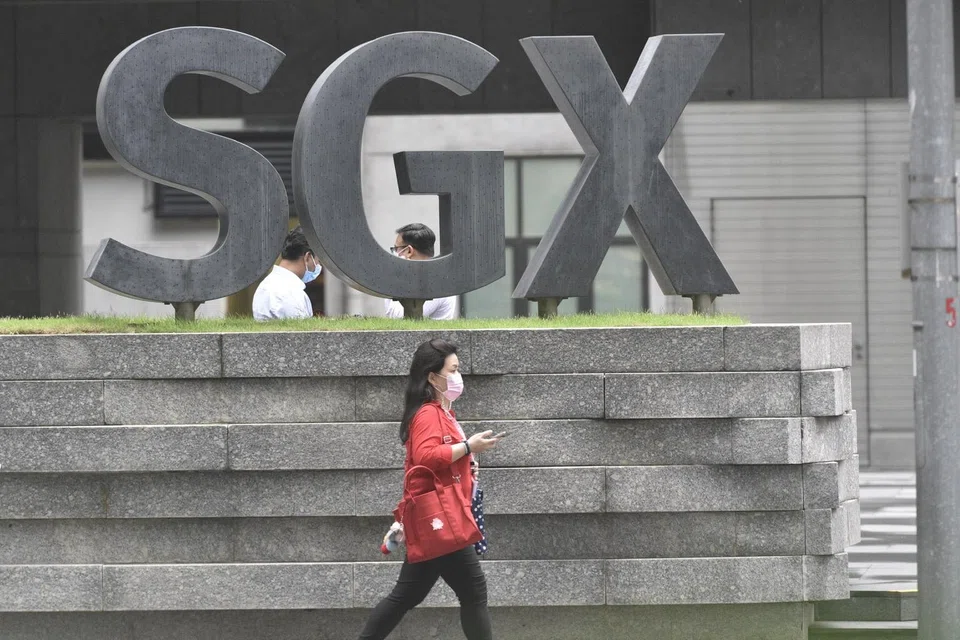
THE Singapore Exchange (SGX) should model its regime for special-purpose acquisition companies (SPACs) after what is being done in the United States, perhaps with small adjustments to improve it, industry players have told The Business Times.
They say that the rules in the US are a key reason for the popularity of the listing structure, and that it would be best to stick to a proven formula.
Stephen Bates, partner and head of the financial services deal advisory for the Asia-Pacific at KPMG, said: "The (US Securities and Exchange Commission's) rules around SPACs have been in place for a long period of time."
The challenges have generally been dealt with. To ensure that the interests of sponsors and investors are aligned, for instance, the US regime requires a vote for acquisitions.
Abhayanand Singh, co-founder of Nasdaq-listed SPAC Vistas Media Acquisition Company, agreed, saying that it would be better to watch how the model evolves and learn from it, rather than "reinvent the wheel".
In January, SGX Regulation (SGX RegCo) announced plans to consult on SPACs as early as Q1; the Singapore Exchange (SGX) is reportedly hoping to admit SPACs for listing as early as this year.
There is clear interest in SPACs, with a record US$78 billion raised in the US via such vehicles last year. Close to US$60 billion was raised in the first two months this year alone, Bloomberg data indicates.
Investors buying into a SPAC initial public offering (IPO) receive a share and a warrant in exchange for their cash, which is then kept in safe assets such as US treasuries.
The SPAC's sponsor typically has two years to buy a company with that cash, failing which the SPAC is liquidated.
Proponents say SPACs enable companies to list quickly - and at better valuations. Opponents call them speculative, risky and expensive for investors.
A sound regulatory regime will therefore be crucial to the success of SPACs here. Too many restrictions, and SPACs might be put off from listing here; too loose a regime, on the other hand, could mean disaster for investors.
Laurent Lequeu, head of portfolio management at multi-family office Lumen Capital Investors, said regulation that is too loose could attract "low-quality sponsors" who are unable to list in other jurisdictions.
One thing he would like to see is transparency on the SPAC sponsor, including its track record for pre-IPO or private equity investments.
In the US, SPAC sponsors have included both experienced private equity giants and billionaire investors, as well as celebrities, ex-politicians and sports stars.
A study by Stanford and New York University of the 47 SPACs that merged between January 2019 and June 2020 suggested that SPACs with "high-quality" sponsors - defined as those affiliated with billion-dollar funds or senior managers in Fortune 500 companies - tend to have better post-merger performance.
KPMG's Mr Bates suggested that sponsors should have IPO experience and a deep understanding of the complexities of the filing process, and the future requirements as a public company.
But Emir Hrnjic, head of FinTech training at the Asian Institute of Digital Finance in the National University of Singapore, said it is difficult to set criteria because there are no reliable factors to distinguish good from bad sponsors. Also, a good track record is no guarantee of future success. "It should be left to investors to recognise good, while avoiding bad sponsors," he said.
He added, however, that SPACs focused on a specific sector should be preferred over those with a broad mandate, because sponsors need "deep and specialised knowledge of the field of investments".
It is a common practice for SPACs in the US to reward sponsors handsomely with what is called a "promote" - a 20 per cent stake in the SPAC for a nominal sum, as compensation for sourcing the deal.
The dilution could mean sponsors get their return at the expense of shareholders.
But some market players said market forces might afford better protection for shareholders in this regard than imposing tougher regulation.
There is already a competitive dynamic now between SPACs on the promote, said Udhay Furtado, managing director and co-head for Asia equity capital markets at Citi.
Mr Singh of Vistas echoed this: "Increasingly now, I have seen some examples of SPACs where the sponsors' promote is tied to the performance of the share price.
"As long as investors are informed beforehand that there is a possibility of a dilution that may eventually happen, then these investors can take a decision regarding whether it makes sense for them to stay invested."
Jeffrey Chi, chairman and chief executive officer of Nasdaq-listed SPAC, Vickers Vantage Corp I, observed that regulators may want more oversight on the acquisition to ensure that high-quality companies are injected.
Rules about what can and cannot be done will determine the type of company that gets injected into a SPAC.
Dr Chi said: "In the US, (regulators) have very little say as to what goes into the company." He cautioned that a balance be struck between protecting investors from risky deals and having regulations that make it too difficult for deals to happen, which can also raise risks.
KPMG's Mr Bates said it would be important to have flexibility in listing rules to allow foreign entities to be injected, given that many SPAC sponsors are targeting Asian entities.
Whatever rules are introduced, Mr Furtado of Citi said it would be important to understand the underlying structure and why there is so much liquidity in SPACs.
Certain features, such as giving SPAC investors both a share and a warrant, are reasons contributing to the appeal of SPACs, and it is "very important" to try and mirror those attractive features, he said.
Vickers' Dr Chi warned that the US had previously been less successful with variations of the current SPAC structure.
But Lumen's Mr Lequeu said SGX should certainly do something differently.
"Otherwise, why should they not go and list in the US?" he asked. "With a definite and credible regulation, Singapore could become the 'SPAC hub' in Asia."
READ MORE:






