Adoption of green leases set to double by 2025, JLL study finds 

Wong Pei Ting
Wong Pei Ting

Published Thu, Oct 6, 2022 · 10:44 AM
    • JLL's study found that 42 per cent of corporates had signed a lease incorporating green clauses as at June 2022.
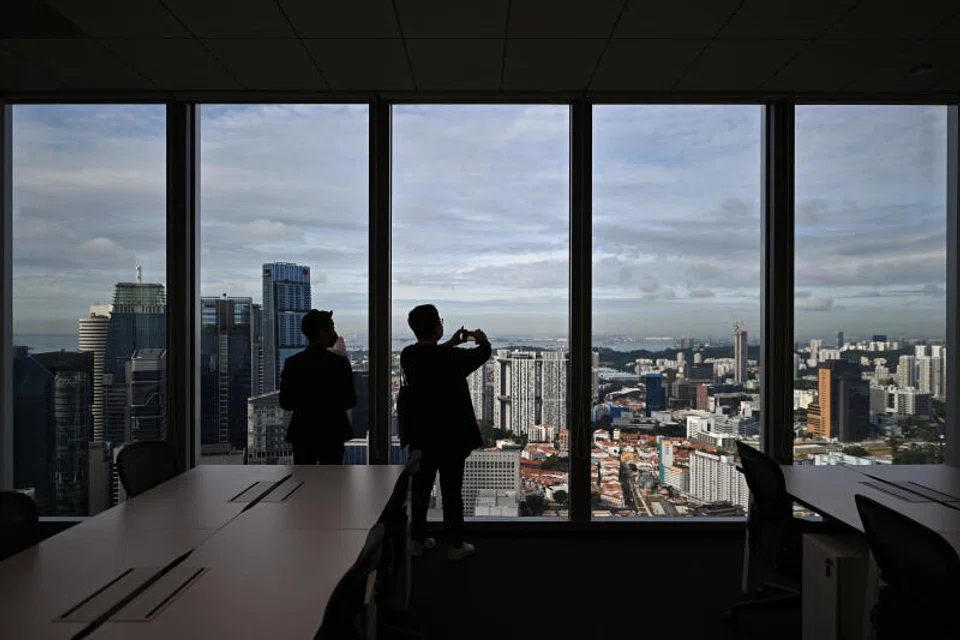
    • JLL's study found that 42 per cent of corporates had signed a lease incorporating green clauses as at June 2022. PHOTO: LIM YAO HUI, ST

    DEMAND for commercial buildings that can meet the sustainability criteria in Asia-Pacific may outpace supply in three years, when 85 per cent of tenants can be expected to sign a green lease, according to a recently published study by JLL.

    The real estate consultancy surveyed 340 corporate sustainability professionals in the region, and found that 42 per cent of corporates had signed a lease incorporating green clauses as at June.

    This figure was just 2 percentage points higher than when JLL conducted a similar survey last May, but it highlighted that a doubling is on the horizon since another 43 per cent indicated that they intend to sign such leases by 2025, either as part of the renewal process or as a new lease.

    The findings complement JLL global chief sustainability officer Richard Batten’s view, as shared in a separate interview with The Business Times, that building owners are not chasing sustainability titles for the sake of the accolade but for the sake of value.

    New building standards – especially those guiding energy efficiency – are forming, driven by market demand from investors and occupiers, rising expectations among employees, and government regulation, he said.

    “If standards become mandatory in APAC as they are beginning to become in Europe and the US, landlords and particularly building owners will be owning more highly accredited buildings purely to protect value from an energy efficiency basis,” Batten added.

    Noting that standards like GRESB, BREEAM and LEED are making headway globally, he also remarked that the accredited building is becoming the “accepted building”, while non-accredited ones are attracting brown discounts, being more difficult to sell and lease. 

    While some cite higher rental costs as a barrier to a wider adoption of green leases, Batten stressed “green premiums last only so long”. “As soon as it becomes market acceptance, we move quite quickly into brown discounts or those buildings that do not comply with regulations,” he said.

    A green lease is an agreement between a landlord and tenant which sets out environmental objectives on how the building is to be improved, managed or occupied sustainably. 

    Examples of clauses in current green leases include sharing of data on energy, water and waste, joint commitment to energy-efficient fit-outs like lighting and seniors, commitment to renewable energy procurement, and sub-metering to track energy usage.

    Not all of these obligations and targets are legally-binding though. Some “dark green” leases might draw financial penalties in the event of a breach, but others contain mostly aspirational provisions, or set out specific targets or environmental action plans without enforcing them.

    JLL’s study delved into the motivations behind the signing of these leases, and found cost saving through energy efficiency to be top of mind (72 per cent of organisations indicated this), followed by needs to comply with sustainability targets (67 per cent).

    The chief motivation is not surprising, as tenants are estimated to consume some 50 to 65 per cent of a building’s energy, JLL pointed out. This means building owners are incentivised to talk to tenants and agree on building performance standards. Tenants often end up saving on operating costs as well when they lower their consumption.

    Another part of the study looked at the clauses that corporates plan to include upon lease renewal. The largest group – 44 per cent – said reducing embodied carbon fit-outs would come into play, while 42 per cent picked a focus on carbon and energy targets.

    Batten told BT that players pushing the envelope on this front in APAC include Lendlease and Swire. Swire’s tenant engagement programme, for instance, offers free energy audits for tenants in Hong Kong and mainland China, he said.

    Asked who will foot the bill to green buildings, Batten said that it will take a delicate balance between the developer, owner and tenant, but “all three will no doubt” be contributing.

    Nevertheless, he noted that positive returns, such as cheaper finance, could come from taking the accredited building route. JLL itself secured revolving bank credit facilities that are geared in part towards the percentage of its buildings over 10,000 square feet that achieved accreditation, he said.