Airbus CEO warns of new risks after ‘significant’ trade damage
‘The industrial landscape in which we operate is sown with difficulties,’ says Guillaume Faury

[PARIS] The head of Airbus has warned staff that the plane-maker must be ready to adapt to unsettling new geopolitical risks after facing “significant” logistical and financial damage from US protectionism and US-China trade tensions last year.
“The beginning of 2026 is marked by an unprecedented number of crises and by unsettling geopolitical developments. We should proceed in a spirit of solidarity and self-reliance,” said CEO Guillaume Faury in an internal letter seen by Reuters.
“The industrial landscape in which we operate is sown with difficulties, exacerbated by the confrontation between the US and China.”
Airbus declined to comment on internal communications.
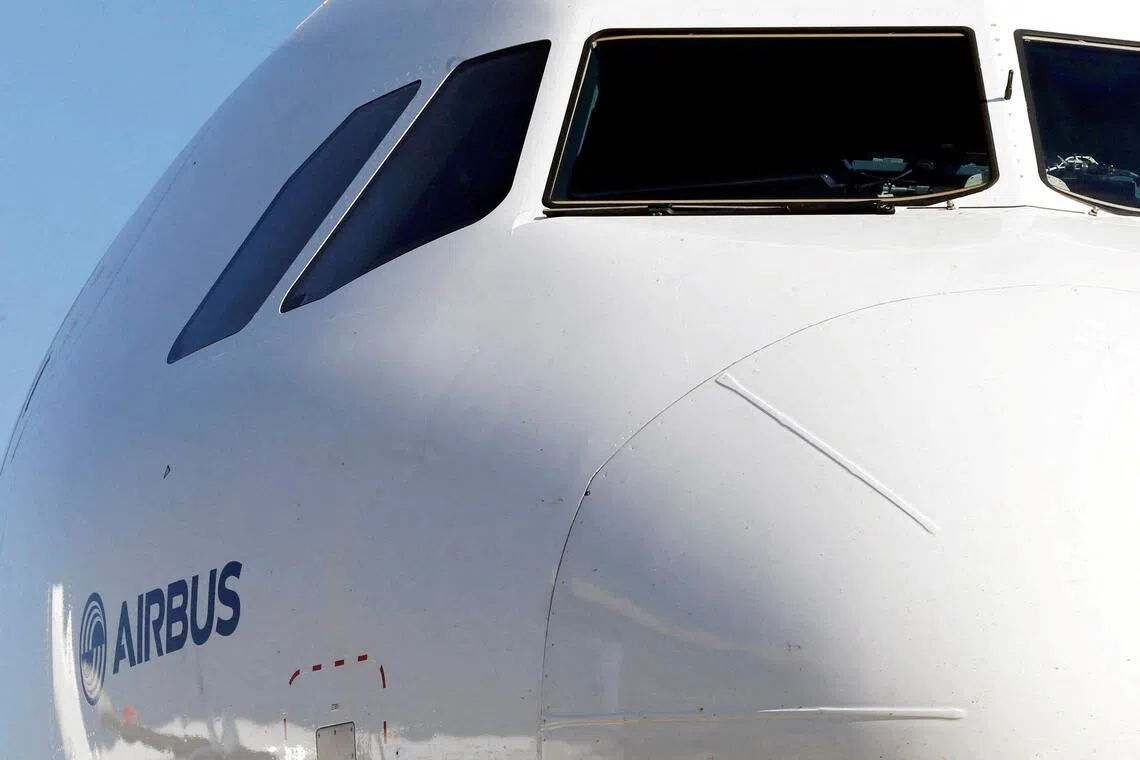
Faury did not identify geopolitical developments in the memo, which was circulated last week against the backdrop of disunity between Washington and allies over Greenland and the role of Nato. Airbus is a major European defence supplier.
He said multiple trade pressures had already “caused significant collateral damage, logistically and financially”.
In April 2025, US President Donald Trump announced sweeping tariffs, prompting Chinese restrictions on rare-earth exports. Washington later temporarily froze exports of engines and other key components to China, which uses them for its C919 jet. US parts are also needed for Airbus jets assembled in China.
Aerospace has won a partial reprieve from US tariffs.
Despite trade upheaval, Faury congratulated the group’s 160,000 staff for what he termed “good results” overall in 2025, without elaborating. Airbus publishes its results on Feb 19.

Airbus Defence and Space “is now on a much stronger footing thanks to its deeper restructuring”, he said. Airbus Helicopters is “remarkably consistent in the strength of its performance”.
Recall lessons
Faury said it was “imperative” that Airbus learn from its biggest-ever recall in November, involving a software upgrade.
Days later, Airbus was forced to cut delivery goals due to flawed fuselage panels but maintained financial goals; this was due in part, Faury said, to progress on a commercial cost-cutting plan.
“We must be more rigorous in managing our systems and products in general,” he added.
The chief executive said post-Covid supply chains had improved but remained a source of disruption. “Our most serious difficulties have been with the Pratt & Whitney and CFM engines.”
Recently retired commercial CEO Christian Scherer said earlier this month that A320-family engines continued to arrive late and singled out Pratt & Whitney, which declined to comment. REUTERS
Decoding Asia newsletter: your guide to navigating Asia in a new global order. Sign up here to get Decoding Asia newsletter. Delivered to your inbox. Free.
Share with us your feedback on BT's products and services