

Alibaba raises US$10 billion in record Hong Kong share sale
The stock slides as much as 10% on Monday morning, its steepest drop since April 2025
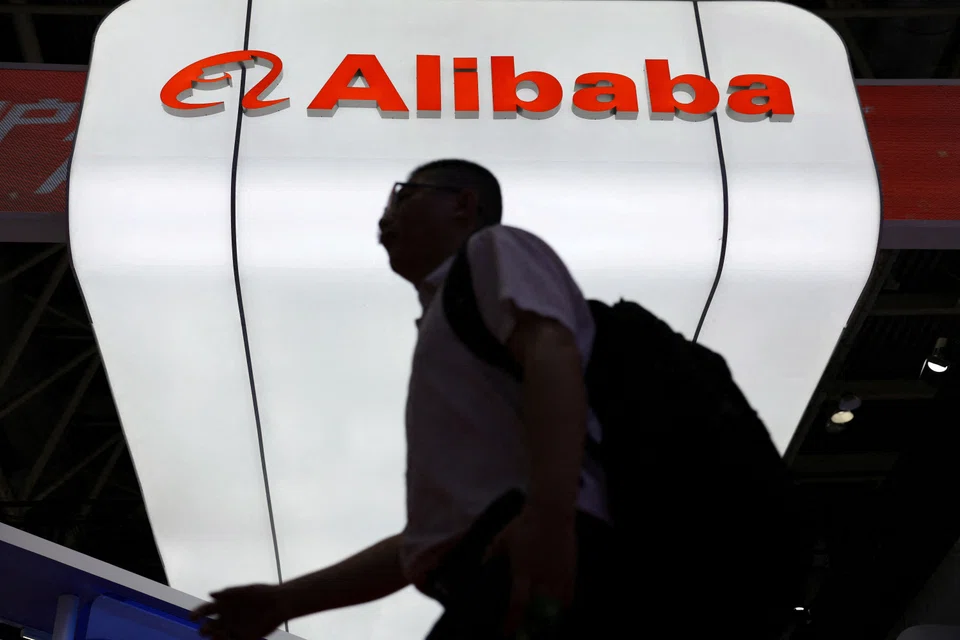
[BEIJING] Alibaba raised HK$80 billion (US$10.2 billion) in Hong Kong’s biggest secondary share sale, underscoring its willingness to amass and spend vast sums to take the lead in global artificial intelligence.
The online retail giant-turned-AI player sold 710 million shares at HK$112.70each, a discount to Friday’s Hong Kong close. Its shares slid as much as 10 per cent on Monday morning, their steepest drop since April 2025.
The capital-raising reflects Alibaba’s eagerness to outspend its Chinese rivals and move closer to the scale of outlays by US peers.
The company has sold off assets and pledged to spend more than 380 billion yuan (US$56.5 billion) over three years on AI, from chips and data centres to large-language model development.
Its flagship Qwen offering is now the world’s most popular model family.
The share issue is a departure from Alibaba’s years-long efforts to improve shareholder returns, said Ling Vey-Sern, managing director at Union Bancaire Privee.
“Why not bonds?” he asked. “It tells me that they may need more funds than we expect for AI investments and also they may be rushing to be ahead of other companies.”
Chinese AI leaders have so far showed restraint relative to American tech providers like Meta Platforms and Alphabet, who have together earmarked trillions of dollars in a race to stay ahead.
Alibaba’s home rival Baidu has no plan for a new share issuance, as its existing and and operating cash flow are sufficient, a company spokesperson said.




But the competition is intensifying, prices for hardware such as memory chips are skyrocketing, and companies fear missing out on revolutionary technology.
The placement is Hong Kong’s biggest follow-on offering by a company on record, as well as the city’s biggest share sale since technology-investment firm Prosus sold US$14.7 billion in shares of China’s Tencent Holdings in 2021, data compiled by Bloomberg show.
Alibaba’s concentrated effort to challenge Anthropic and OpenAI is already eroding margins, while anemic domestic consumption dogs its mainstay online retail business.
Some investors also question whether Alibaba is getting enough for its capital.
Its cloud-computing division is racking up double-digit percentage growth and AI-related revenue gains are in triple-digit territory. But like many of its peers, Alibaba has yet to show how it will derive sustainable, longer-term revenue from AI services.
Michael Burry, the investor made famous in The Big Short, said he “cannot bless” Alibaba’s new share issuance.
“This is a new paradigm again for BABA, and its ROIC will continue to fall,” he wrote in a social media post on Sunday.
According to Burry, he had planned to flip back most of his entire Alibaba position that he had moved to JD.com “not too long ago”, but “no longer” has the intention.
Alibaba’s stock price level would have to halve for him to get interested again, Burry added.
The deal comes as the Chinese company ratchets up quarterly capital spending to almost US$10 billion to safeguard its position in the hotly contested AI race.
It intends to use the proceeds to invest in full-stack AI capabilities, including by expanding and enhancing its infrastructure.
The size of Alibaba’s equity raise is “significant”, but possible demand from financial institutions and sovereign wealth funds should soften some concerns about dilution, said Charu Chanana, chief investment strategist at Saxo Markets.
“The bigger question is how Alibaba monetises this spend” given weak Chinese consumer sentiment and intense competition in the country’s AI market, she said.
Alibaba will be subject to a lockup of 90 days. China International Capital, HSBC, Morgan Stanley and UBS Group are arranging the deal, according to the terms. BLOOMBERG
Decoding Asia newsletter: your guide to navigating Asia in a new global order. Sign up here to get Decoding Asia newsletter. Delivered to your inbox. Free.
Share with us your feedback on BT's products and services
TRENDING NOW

Government to bring forward raising of retirement age, give employers more financial support to create flexi-load jobs
Former minister Maliki Osman, Revolut chairman join Asia Gulf Holdings advisory board

Is Manila Asia’s new dining hot spot?
Simba at risk of losing operating licence over spectrum misuse

