All fun, no fear for Sim Leisure Group
Some of IPO proceeds will be used for its first theme park in China, with some funds reserved for Penang parks
Singapore
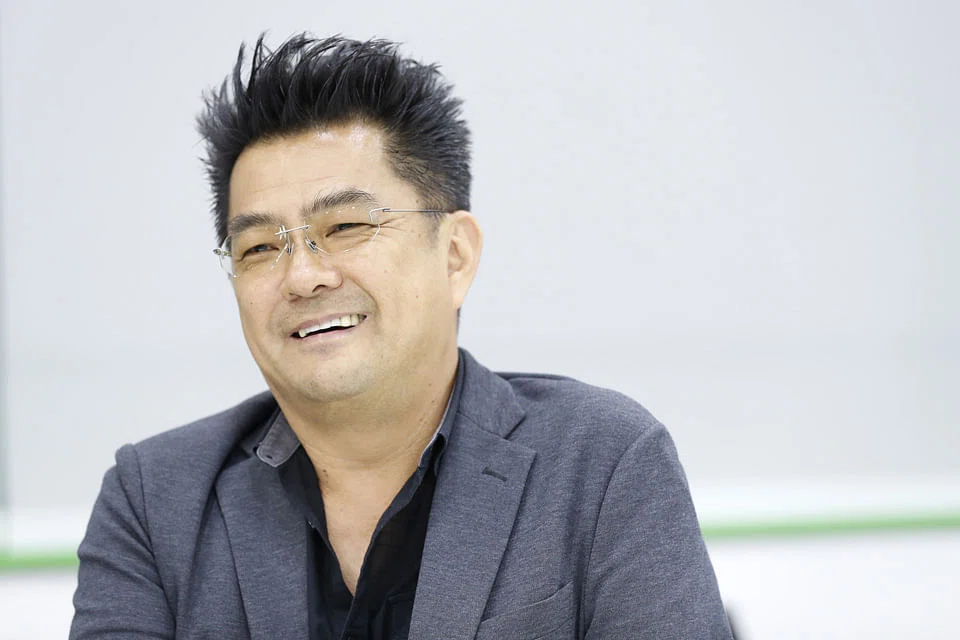
HIS theme parks have no rollercoasters, but Sim Leisure Group (SLG) founder and chief executive officer Sim Choo Kheng hopes his stock will soar when it lists on the Singapore Exchange's Catalist board this year.
Rather than hair-raising rides and expensive attractions emblazoned with well-known brands, SLG's Escape theme parks in Penang offer activities based on traditional ways of learning and playing. Visitors are not passively strapped into their seats for a short thrill; instead, they climb structures, jump from heights, slide down hills and explore dark tunnels.
While the model is unconventional, the parks are profitable and achieving their targets. In 2017, visitor numbers hit 112,000 with a revenue of RM9.68 million (S$3.2 million) and profit of RM1.71 million; the company's target for 2018 was 185,000 visitors. It is now pursuing its initial public offering (IPO) to raise money for its China expansion, with a view to become a global brand in the long run.
"Singapore is one of the four financial centres of the world, so being listed in Singapore gives us an international image," Mr Sim told The Business Times in an exclusive interview.
"We are talking about expanding into Asean and China, so we have to be international and have a global mindset. Only then, you can conquer the world."
Some of the IPO proceeds will be used for SLG's first theme park in China, with some funds reserved for working capital for the Penang parks. SLG signed a memorandum of understanding in September 2018 to design and operate a theme park in Linyi, Shandong Province, and is moving closer to realising the collaboration with its Chinese counterpart, said Mr Sim. SLG will not construct the theme park itself, but will instead engage local contractors as well as some suppliers it has worked with in the past.
Given the number of Chinese cities with populations of more than 10 million, Mr Sim sees potential for SLG to continue expanding in China over the next 10 years.
SLG's simple play concept faces tough competition from the conventional parks, as Mr Sim knows well from his 29 years in the theme park industry. He has worked on managing, designing and building theme parks all over the world, with key projects including the Egypt and Jurassic Park zones at Universal Studios Singapore and the Legoland parks in Denmark and Malaysia.
However, he believes that his model can stand up to these big boys for a couple of reasons. One is the idea of nostalgic escapism, which is represented in the parks' name and the founder's title - he likes to say that CEO stands for "chief escape officer".
People have a universal love for reconnecting to the past, says Mr Sim, and childhood games are one way to relive a simpler time.
The second reason is that children need play to develop physical strength and problem-solving skills. For those reasons, the Escape parks provide an ideal place for families to bond and learn what it really means to have fun through play.
"You are paying for fun, as opposed to what many people believe, that you are paying for a monument, for a picture opportunity, for the biggest or tallest attraction," Mr Sim said.
"Fun comes from play - participating with your friends, racing them downhill, diving with them and challenging them. Fun doesn't come from being strapped in. Being scared is not fun."
His ideas are proving popular enough to spawn copycat versions in other parts of Malaysia, pushing him towards the decision to list as he realised that the company needed funds to expand and move faster to beat the competition.
"They can copy our concept, but they can't copy my passion and our company culture. A copy is a copy of what we have done, but we will always evolve," Mr Sim said.
"That's why we're going to the capital market, because we have to move faster and capitalise on this disruption we have created."
He describes his model as low tech, high fun, allowing SLG to keep its capital expenditure low. For example, it does not need to pay for large mechanical rides or intellectual property rights to movie characters. In addition, the type of land required is hardly prime real estate; Escape theme parks are best constructed on hilly land, with lots of trees and natural greenery.
"I can build an entire park where some of these theme parks can build one attraction, and a rollercoaster can cost up to the budget of my whole park," Mr Sim said, noting that a big mechanical ride alone can cost US$20 million. In contrast, he funded his first Escape theme park with RM8 million of his own money.
Aside from China, SLG also plans to set up parks in several Asean cities such as Manila and Jakarta, and will continue expanding to reach the global stage. Another two of Mr Sim's other businesses, which are currently separate from SLG, could figure in the company's expansion in the near future.
According to the preliminary prospectus filed on Dec 28, Mr Sim has granted SLG a five-year call option to acquire his shares in Sim Leisure Consultants, a Malaysia-based company that provides theme park design and construction services, and Sim Leisure Gulf Contracting, which is based in Dubai and constructs attractions in theme parks and theme features in hotels and restaurants. This move would make the group into an integrated theme park contractor, owner and operator.
"I know it sounds a little bit crazy, but my goal is to make this a global brand," said Mr Sim.
"It's a personal crusade for me. I want to prove to the big boys that there is a better way to succeed in the fun business."