

Analysts cautious about Asia-Pac despite positive market reaction to Fed rate hike

Tan Nai Lun
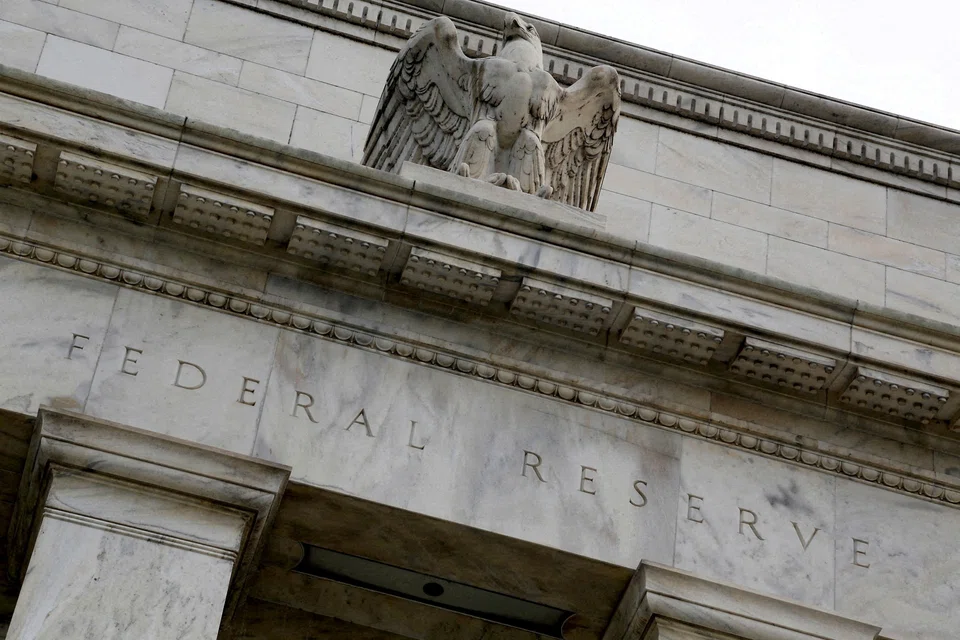
GLOBAL markets have mostly reacted positively to the US Federal Reserve’s interest rate hike, given that it was well within expectations.
But market watchers are remaining cautious amid concerns of a global economic slowdown, and highlighted China as a bright spot for upcoming growth.
With the Fed raising interest rates by 75 basis points on Wednesday (Jul 27), Fed chair Jerome Powell said that the pace of increases may slow down. US stocks rallied on Wednesday on the news.
“You had the feeling that Wall Street, with perpetually itchy buy-button trigger fingers, was primed for this Federal Open Market Committee,” said Jeffrey Halley, senior market analyst for the Asia-Pacific at Oanda, adding that Powell’s comment on the slowing rate hike may have “turbocharged” investors.
Most markets in Asia – apart from Hong Kong and Taiwan – traded higher on Thursday, with the Straits Times Index ending 0.5 per cent higher.
Halley said Asian markets likely saw less gains amid additional risk from China, recession concerns from the US and Europe, rising inflation and rising oil prices.
Market watchers noted, however, that it may be too early to turn positive, given that the current rates – at between 2.3 and 2.5 per cent – are in the neutral range, while inflation is still strong.
Jason Brady, president and chief executive of Thornburg Investment Management, said that in the last 3 Fed meetings, there had been significant rate hikes.
“And each time, the market viewed those hikes as dovish. And then a few days later, that was taken off the table, and it was recognised that the Fed still had work to do.”
Brady said the markets are expecting the prospects of a slower rate hike too quickly, adding that the hikes “still have yet to work their way through the US and the global economy”.
Amid the economic slowdown, investors may see growth opportunities in China in the second half of the year.
Lei Wang, portfolio manager and managing director at Thornburg Investment Management, noted that China should benefit from the easing Covid-19 situation, government stimulus, as well as loosening regulations.
“Global GDP growth momentum will likely shift from the US to China, particularly in the second half of this year, or even early next year, when all the stimulus kicks in,” Wang said.
But Christiaan Tuntono, senior economist for the Asia-Pacific at Allianz Global Investors, remains cautious on the overall Asia market, given the pressure of a slowing global growth.
While he is more positive on China than other developed markets, he said that its economy had been hardly hit by lockdowns and tight policies in the months before.
China’s recovery should cushion some of the global growth slowdown that will likely hit South-east Asia, Tuntono added.
Most central banks in South-east Asia will likely face pressure to further tighten amid still elevated prices – driven by economic reopening, tightening labour markets, supply chain challenges and elevated fuel and food prices.
The South-east Asian region, however, should gain from improving fundamentals and the continued economic reopening.
Christopher Wong, South-east Asia portfolio strategist at Fidelity International, is views the region’s prospects more favourably, given that valuations of South-east Asian equities look undemanding, and that some are offering attractive dividend yields.
In the region, Wong said he prefers Indonesia – which should gain from higher commodity prices and long-term structural growth trends – and Singapore, for its value orientation and attractive level of dividends.
TRENDING NOW

VietJet hit with global asset freeze in FitzWalter dispute

FCT, NLB to turn Causeway Point’s former cinema space into reading hub in mall revamp

Family offices ‘kept captive’ by relationship managers turn to independent advisers, direct deals

Olivia Lum, ex-CFO not giving evidence in their Hyflux trial

