Apac data centre lobby group hopes to help industry mature in the region

Yong Jun Yuan
Yong Jun Yuan

Published Sat, Mar 30, 2024 · 05:00 AM
    • As data centre demand rises, the Asia-Pacific Data Centre Association aims to raise the level of maturity of the industry in the region.
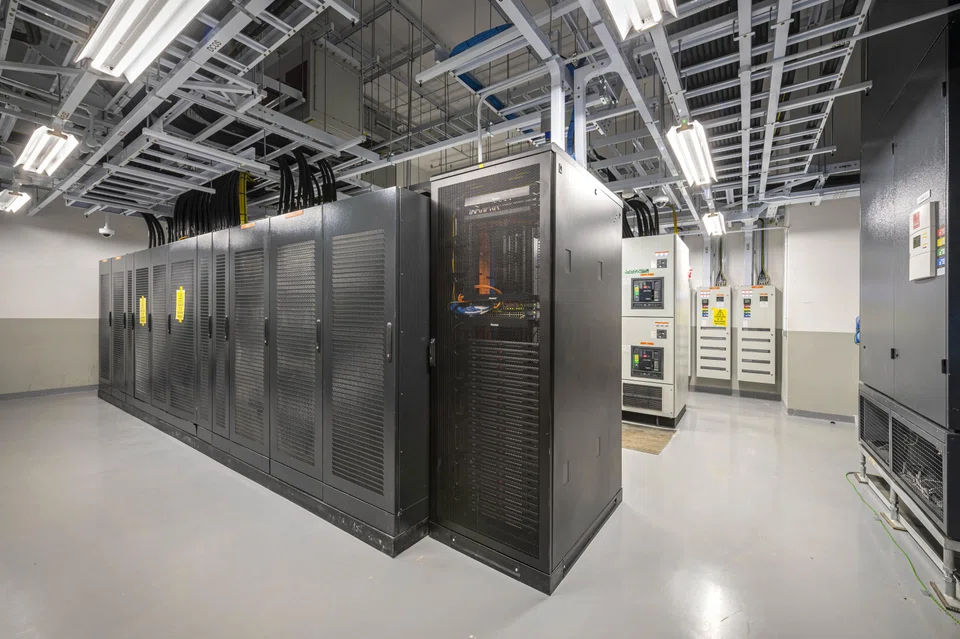
    • As data centre demand rises, the Asia-Pacific Data Centre Association aims to raise the level of maturity of the industry in the region. PHOTO: EQUINIX

    AS THE first such association of its kind, the Asia-Pacific Data Centre Association (APDCA) aims to educate governments and policymakers about the importance of data centres as infrastructure that delivers core services. 

    APDCA’s inaugural chairman Jeremy Deutsch hopes the organisation will be able to help build local and regional data centre know-how, as well as connect the region in conversations with other similar associations around the world, such as the European Data Centre Association (EUDCA). 

    The lobby group was founded in January this year by eight members, including Princeton Digital Group, Equinix and ST Telemedia Global Data Centres. 

    “One of the things that we have seen from the operation of the EUDCA is that they help bring all the governments up to a very similar level of understanding, and that is a big part of what our association is looking to do,” he said.

    Deutsch, who is also Equinix’s Asia-Pacific president, pointed out that, similar to the Apac region, the Europe, Middle East, and Africa region also has a similar sister organisation that covers markets with different levels of maturity. 

    “I think the association… has the benefit of giving a collective voice to the industry, which then takes out any individual company’s position and provides governments with, as best you can, a view on the industry rather than a particular organisation that’s trying to deliver a particular outcome,” he said, adding that the desire to hear from the industry has been quite high in the region. 

    The lobby group’s launch is timely as the Apac region outpaces other regions with the largest percentage of new deployments. “The Apac data centre co-location market alone is expected to grow at a compound annual growth rate of 8.02 per cent to reach a value of US$19.08 billion by 2028, from US$12.01 billion in 2022,” the group said in its launch report. 

    To support this rapid growth, Deutsch sees the association serving three focus areas. 

    Firstly, he believes that the organisation will be able to provide advice on how data centres can operate sustainably, and how governments can enable green and renewable programmes in individual countries across the region. 

    Deutsch said that while renewable energy in itself may not be an area of expertise for data centre operators, he believes that the association could play a role in elevating the conversation to improve the maturing and regulation around renewable programmes in different countries.

    Furthermore, he hopes that the association will be able to counsel governments on data sovereignty issues and how such requirements can be met while considering the digital infrastructure involved. 

    In recent years, jurisdictions such as the European Union (EU) have put in place data sovereignty laws, such as the General Data Protection Regulation. The law requires that all data collected on citizens be either stored in the EU or in jurisdictions with similar levels of privacy protection. 

    Deutsch sees an opportunity to discuss how data flows can be optimised, which can then be supported by digital infrastructure, making such laws easier to operate under. 

    Finally, another focus area for the association will be in locating data centres in the right areas. 

    He said this is about making sure that digital infrastructure can support populations that are digitalising quickly. Good locations for data centres can ensure that the best social outcomes and the maximum economic benefit can be derived from such infrastructure. 

    In the association’s launch report, it outlined how data centres work, as well as the benefits they provide. 

    “Helping educate governments, in that piece, will already start the conversation into the direction of why this is a critical piece of digital infrastructure across the Asia-Pacific region,” Deutsch said.