Ascott Residence Trust sets precedent in skipping first call on perpetual
Some market watchers say non-call move could pave the way for other issuers to skip first calls

Singapore
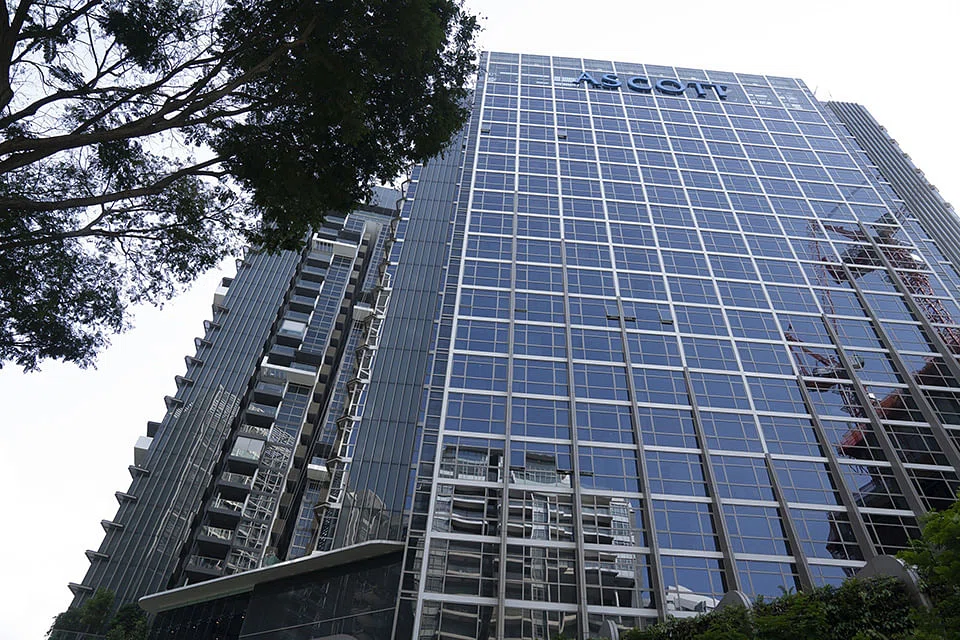
ASCOTT Residence Trust (ART) will not be redeeming its S$250 million, 4.68 per cent perpetual issue on its first call date next month. The move sets a precedent for real estate investment trust (Reit) perpetuals.
In choosing not to call the perpetual, the hospitality trust has crushed market expectations that issuers will redeem these instruments at first call. Some market watchers said this could pave the way for other issuers to skip the first calls.
ART, the largest hospitality trust in Asia-Pacific with an asset value of S$7.4 billion as of the end of last year, issued a regulatory statement on Friday to the Singapore Exchange that it will not be calling the perpetual. The announcement stated that the issue offered five years ago would not be called on June 30, but that ART remains committed to paying distributions on the securities.
Without the call, the coupon or distribution rate would be reset on June 30 at the swap-offer rate plus the fixed spread. Analysts estimate the reset rate to be about 3 per cent under current market conditions. An announcement will be made after the managers have determined the reset distribution rate.
ART is a stapled group comprising Ascott Reit and Ascott Business Trust, and managers for both are wholly-owned subsidiaries of Singapore-listed CapitaLand.
OCBC Credit Research analyst Ezien Hoo, who had flagged in April an increased likelihood of ART not redeeming the perpetual issue on the first call date, told The Business Times after ART's announcement that the trust is exercising its rights to not call and save on costs. Nonetheless, ART has the option to call the perpetual every six months after the first call date.
ART's non-call move is likely to exacerbate the sell-off seen in the trading of the issue, said Ms Hoo. She noted that the perpetual has been trading below par since mid-April 2020.
Based on immediate cost savings, she thinks that other perpetual issuers may also do the same - especially those with first reset dates that are around the corner. "Given that interest rates have declined and there is little expectation that this will rise in the short term, the ones with reset dates that are coming up soon face higher risk of not calling," Ms Hoo said.
She also highlighted that the 7 per cent perpetuals issued by Lippo Malls Indonesia Retail Trust, another locally listed Reit, face the additional risk of distribution deferrals. "Though for now we expect the other Reits to still pay their distribution even if they don't call at first call," she added.
ART's move might also dampen future demand for perpetuals in general. Investors will be more aware that issuers hold a legal right not to call at first call. The previously widespread market expectation of issuers to call at first call will no longer hold.
"While issuers have the legal right to not call at first call, in general perpetual investors would prefer issuers to call (especially as the reset rate is lower). As such investors may choose opt-out of future perpetual issuances by issuers who choose not to call," said Ms Hoo.
Phillip Securities Research bond analyst Timothy Ang said he will not be surprised to see more non-calls in these unprecedented times. His colleague Natalie Ong had also written in May about the possibility of ART letting the perpetual coupon reset at a lower rate.
Mr Ang reminded investors to be more alert of non-call risks for perpetual bonds with upcoming call dates.
Reit perpetual bonds with upcoming call dates or reset dates - which are the same for Reit perpetuals - include Ascendas Reit's S$300 million, 4.75 per cent perpetual with a call date on Oct 14; and Keppel Reit's S$150 million, 4.98 per cent perpetual with a call date on Nov 20.
Mr Ang noted that these two Reits are in sectors that have been less impacted by Covid-19 than the hospitality sector, but they stand to save more than 30 per cent in coupon rates if their perpetuals are reset based on current SGD swap rates. Thus, the non-call risk is still present.
Ang Chung Yuh, fixed income analyst at iFast, sees "substantially higher extension risk" for perpetuals, especially from issuers in sectors more affected by the novel coronavirus outbreak such as hospitality and retail.
He said: "Due to the low interest rate environment, many perps would reset to a lower distribution rate if they are not redeemed on first call, particularly Reit perps as they do not carry step-up provisions. Besides this economic disincentive to call perps, issuers may also increasingly need to conserve cash as (a) buffer for coronavirus-related uncertainty."
Phillip's Mr Ang commented that Singapore Reits are in a difficult position. "S-Reits have the difficult task of balancing the interests of all stakeholders - offering rental waivers to tenants in need, as well as managing the expectations of debt and equity capital providers - all while preserving growth and protecting the balance sheet. We expect the Reits to act prudently, in the best interests of the company. We will not be surprised to see more non-calls in these unprecedented times."
ART's managers said they took into account the longer term interests of ART and the current macroeconomic environment in deciding not to call the perpetual issue. Among the factors they have considered included the expectation that ART's financial performance is expected to be adversely impacted, as it has been blindsided by the novel coronavirus pandemic hitting its occupancies and room rates.
Drawing down on debt to redeem the perpetual would increase ART's leverage and reduce the debt headroom available for acquisition opportunities during a market recovery, the managers said. Its property valuations could come under pressure on the back of the softer operating performance as well, which would potentially push ART's leverage higher, they added in the statement.
Decoding Asia newsletter: your guide to navigating Asia in a new global order. Sign up here to get Decoding Asia newsletter. Delivered to your inbox. Free.
Copyright SPH Media. All rights reserved.