

Asia jet fuel set for bumpy ride in 2023 despite some China recovery
 Add BT as a preferred source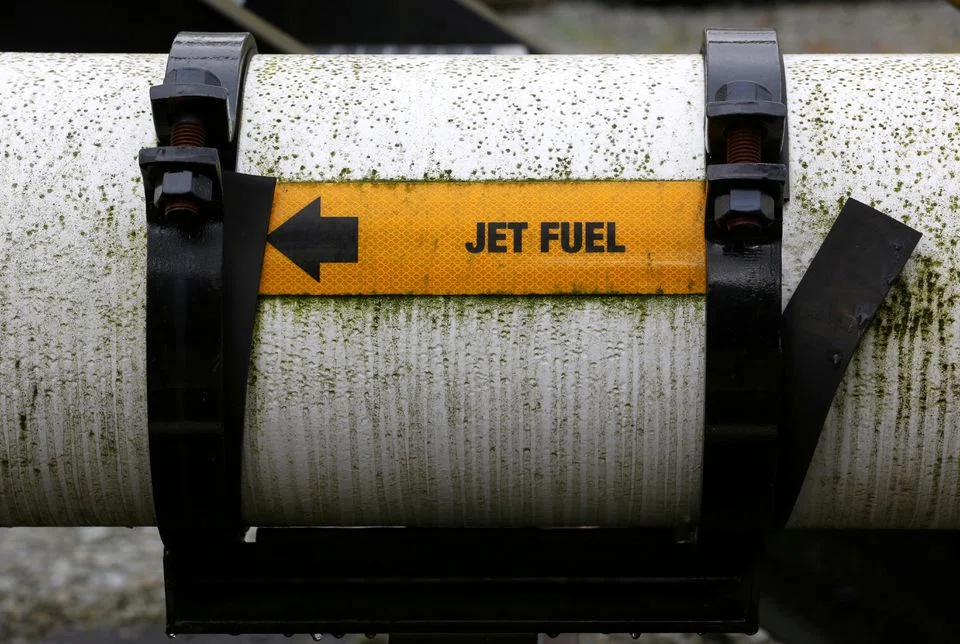
DeeperDive is a beta AI feature. Refer to full articles for the facts.
THE resumption of flights in China, Asia’s top jet fuel consumer, should provide a tailwind for a recovery in demand for aviation fuel across Asia in 2023 although the journey could be a bumpy one.
Among oil products, jet fuel is expected to be the last to return to pre-Covid demand levels in Asia as countries have various rules on reopening borders and quarantine measures that may deter travellers. A full recovery in jet fuel consumption will boost Asian refiners’ margins and crude demand further, lifting global prices.
China relaxed Covid-19 restrictions in early December, prompting airlines to add more domestic flights.
In the week of Dec 18, the number of operating flights in China rose by 41.7 per cent from a week earlier to 51,000, Variflight data showed.
Domestic air passenger volumes rose for a second consecutive week to 5.137 million, up 39 per cent from the previous week, even though it was still 13 per cent lower than a year ago, it added.
That led to a 75 per cent rebound, or nearly 170,000 barrels per day (bpd), in China’s jet fuel demand in the last two weeks, Kayrros data showed.
Navigate Asia in
a new global order
Get the insights delivered to your inbox.
That surge in demand should carry over to next year. The International Energy Agency expects China’s jet fuel demand to rise in 2023 by 43 per cent from a year earlier to 701,000 bpd, according to its latest monthly report, though this would still be lower than the 733,000 bpd consumed in 2021.
“Demand in China for jet fuel is the key to change fundamentals,” said KY Lin, spokesperson at Formosa Petrochemical, Asia’s leading fuel exporter.
The increase in Chinese jet travel is part of a broader jump across Asia that should boost fuel consumption in 2023.

Scheduled airline capacities from North-east and South-east Asia are up by 22 per cent and 73 per cent, respectively, in the first half of December, according to global travel data provider OAG, boosted by holiday travel and as more countries open their doors to tourists.
Already, export-oriented refiners in South Korea and Taiwan have sold 2023 jet fuel supplies at premiums of US$2-US$3 a barrel above Singapore benchmark prices, up from about 50 US cents a barrel or less for 2022 supplies, reflecting a positive demand outlook for Asia, a Singapore-based trader said.
Uncertainty
China has aimed to increase the number of flights and restore the country’s average daily passenger volumes to 70 per cent of 2019 levels by Jan 6, financial news outlet Caixin reported, citing a document from the aviation regulator.
However, forecasts for several waves of Covid-19 infections across the world’s most populous country could deter travellers and hamper a full jet fuel demand recovery in the short term, several China-based fuel traders said.
A total recovery hinges on the resumption of international flights which consume more fuel, they added.
Additionally, should growing domestic demand for the fuel ultimately materialise, it may lead Chinese majors to curb exports, said FPCC spokesperson KY Lin.
State refiners have boosted fuel exports after Beijing unexpectedly allocated a big batch of quotas in October to boost its economy, against a backdrop of healthy jet fuel cracks.
China’s jet fuel exports surged above 1 million tonnes per month between September and November, almost 50 per cent higher than the January-August monthly average, customs data showed. REUTERS
Decoding Asia newsletter: your guide to navigating Asia in a new global order. Sign up here to get Decoding Asia newsletter. Delivered to your inbox. Free.
Share with us your feedback on BT's products and services
TRENDING NOW
‘Boring’ is the new black: The stars are aligning for a Singapore stock market revival
Near sell-out launches in March boost developer sales to 1,300 units after four slow months

China pips the US if Asean is forced to choose, but analysts warn against reading it like a sports result

Genting Singapore’s Lim Kok Thay receives S$7.5 million pay package for FY2025

