

Asset tokenisation projected to grow to US$16.1t opportunity by 2030: report

Uma Devi
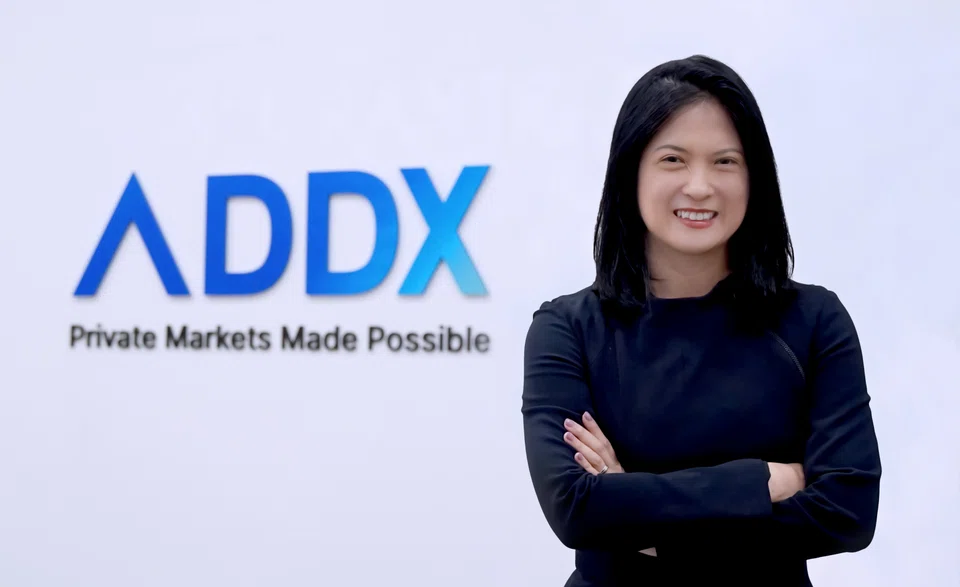
ASSET tokenisation will expand into a US$16.1 trillion business opportunity by 2030, especially since the crypto winter – or the downturn in cryptocurrency prices – is pushing capital towards more viable blockchain use cases, a report by global consulting firm Boston Consulting Group (BCG) and private markets platform ADDX found.
The projected growth in the tokenisation of assets is driven by the demand for greater access to private markets from a range of investors, BCG and ADDX said in a press statement on Monday (Sep 12).
Sumit Kumar, managing director and partner at BCG South-east Asia, said the US$16.1 trillion figure was through the use of a “conservative methodology”. “In a best-case scenario, that estimate goes up to US$68 trillion,” he said.
With a 50-fold increase predicted between 2022 and 2030 from US$310 billion to US$16.1 trillion, tokenised assets are expected to make up 10 per cent of global GDP (gross domestic product) by the end of the decade, the 2 companies said.
The report titled Relevance of on-chain asset tokenization in “crypto winter” noted that the recent erosion in the market capitalisation of cryptocurrencies is reminiscent of the “crypto winter” of 2018. The number of crypto enforcement actions – including trading suspensions and litigations – have also risen over the years, but the responses of regulators globally remain uncertain.
The report highlighted 5 indications that asset tokenisation could be on the cusp of wide global adoption – namely the increased trading volume in tokenised assets, strengthening stakeholder sentiment across many countries, recognition among monetary authorities and regulators, a growing pool of active developer talent in the blockchain space, as well as the tokenisation of more asset classes.
Globally, growth in tokenised assets is expected in real estate, equities, bonds and investment funds, as well as in less traditional assets such as car fleets and patents.
Choo Oi Yee, chief executive of ADDX, said asset prices can only rise to their “true economic value” if the barriers to investor participation and ownership transfer can be lowered. Blockchain allows assets to be liquid for both public and private markets, she noted.
“The potential economic benefits are considerable. Recognising assets for what they are truly worth should translate into more investments and better capital allocation, which will in turn generate economic growth and jobs. The real winner here is the real economy,” she added.
The tokenisation and fractionalisation of assets lower barriers to investment in private markets by cutting minimum lot sizes. Assets that are tokenised and fractionalised on platforms such as ADDX can reduce minimum investment sizes from millions of dollars to just thousands of dollars. Such investments were previously available only to institutions.
The impact of fractionalisation has been felt mainly in the public markets which have structures such as fractional shares, exchange-traded funds and public real estate investment trusts (Reits).
However in recent years, there has been a significant pivot with the emergence of asset tokenisation players that apply blockchain technology to private markets and alternative assets, BCG and ADDX noted.
In anticipation of a more widespread acceptance of asset tokenisation, the report also made recommendations to current and potential stakeholders.
For instance, it recommended that financial institutions could consider finding ways to pilot and deploy asset tokenisation projects by upgrading existing business models, rather than looking to replace them.
Developers could also design standard architectures and protocols to ensure an easier “on-ramp” to the tokenisation world, while companies can improve financial literacy among clients to help them understand tokenisation as well as the underlying asset classes it provides access to.
The report also said regulators can establish sandboxes to promote innovation and set clear rules around tokenisation, while monitoring how tokenisation might impact investor and consumer protection and market integrity.
BCG’s Kumar said that while the “crypto winter” has tightened the purse strings for the overall blockchain sector, projects that can demonstrate “inherent value, scalability and the potential to enhance the traditional financial ecosystem” could benefit against this backdrop.
He said asset tokenisation projects are likely to demonstrate viability in the current capital-constrained environment, and are therefore better positioned to attract the attention of investors who continue to have a significant store of “dry powder to deploy”.






