Bank of America, Citigroup in talks with Fed after stress test results
 Add BT as a preferred source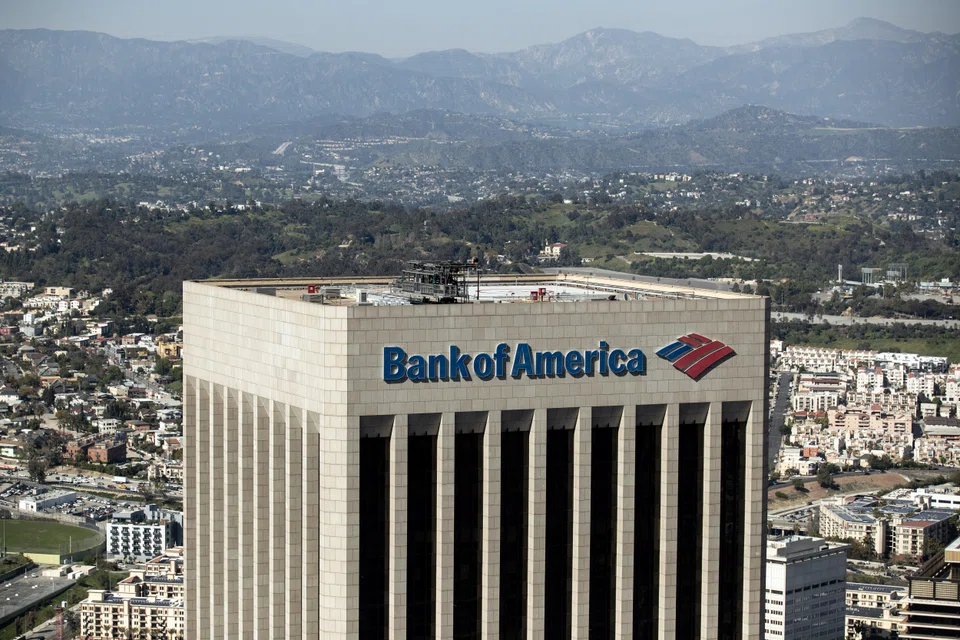
BANK of America and Citigroup are in discussions with the Federal Reserve after the central bank’s annual stress tests projected results differing from the lenders’ forecasts.
Bank of America is talking to the Fed to “understand differences in other comprehensive income over the 9-quarter stress period” between the regulator’s Comprehensive Capital Analysis results and Bank of America’s Dodd-Frank Act stress-test results, the company said in a statement on Monday.
Citi also said it initiated dialogue with the Fed to “understand differences in non-interest income” over same period between the CCAR results and Citi’s Dodd-Frank Act stress-test results.
In BofA’s case, the Fed’s projection was rosier. For some of Citi’s forecasts, it was the opposite.
A spokesman for the Fed declined to comment.
The discussions with the regulator are meant to resolve discrepancies so that Bank of America can move ahead with its dividend plans. JPMorgan Chase, Wells Fargo, Morgan Stanley and Goldman Sachs Group led US banks in announcing higher dividends last week after every lender subject to the Fed stress tests passed the exam. Bank of America didn’t disclose such moves.
In one example of the discrepancy, the Fed projected that Bank of America will post US$22.3 billion in other comprehensive income over a nine-quarter period under a hypothetical set of adverse economic conditions. Bank of America, however, projects US$12.5 billion for that metric during the period that began in the first quarter of this year.
The Fed also expects Bank of America to record a US$23 billion pre-tax loss during that time frame, while the company forecasts an approximate US$52 billion cumulative pre-tax loss.
“In short, BAC’s internal test seems to imply much less capital benefit from AOCI included in capital than did the Fed’s,” Piper Sandler analysts led by R Scott Siefers wrote in a note. Still, even eliminating that benefit could keep the bank below the 2.5 per cent minimum stress capital buffer threshold, they wrote. “But we await some clarity before BAC makes any capital announcements,” they said.
As for Citigroup, its own stress test results predicted US$64.4 billion of non-interest income in the nine-quarter period. The Fed forecast US$43.9 billion.
Each year, the Fed tests the banking giants to see if their balance sheets are sound enough to weather severe stress in the economy and financial markets. Last week’s findings showed all 23 big US lenders examined can withstand a severe global recession and turmoil in real estate markets. The results indicated that firms would have enough capital to absorb as much as US$541 billion losses in a doomsday scenario, even if unemployment were to hit 10 per cent and the stock market were to plummet 45 per cent.
The results also injected some confidence into the banking industry after a tumultuous first half of the year. Typically clearing the exam sets the stage for banks to return billions of dollars to investors through dividends and buying back stock. Banks normally announce their capital plans alongside an updated CET1 ratio which compares a bank’s capital against its assets.
Last week, Citi announced it would raise its dividend to 53 cents from 51. Unlike most of its major rivals, Citigroup will face a higher stress capital buffer in the coming quarters, the firm said. Bank of America has yet to announce its dividend plans. BLOOMBERG
Decoding Asia newsletter: your guide to navigating Asia in a new global order. Sign up here to get Decoding Asia newsletter. Delivered to your inbox. Free.
Share with us your feedback on BT's products and services