AI replaces ‘lower-value human capital’, StanChart CEO says
Bill Winters’ remarks echo a growing candor among global financial leaders regarding the realities of automation
 Add BT as a preferred source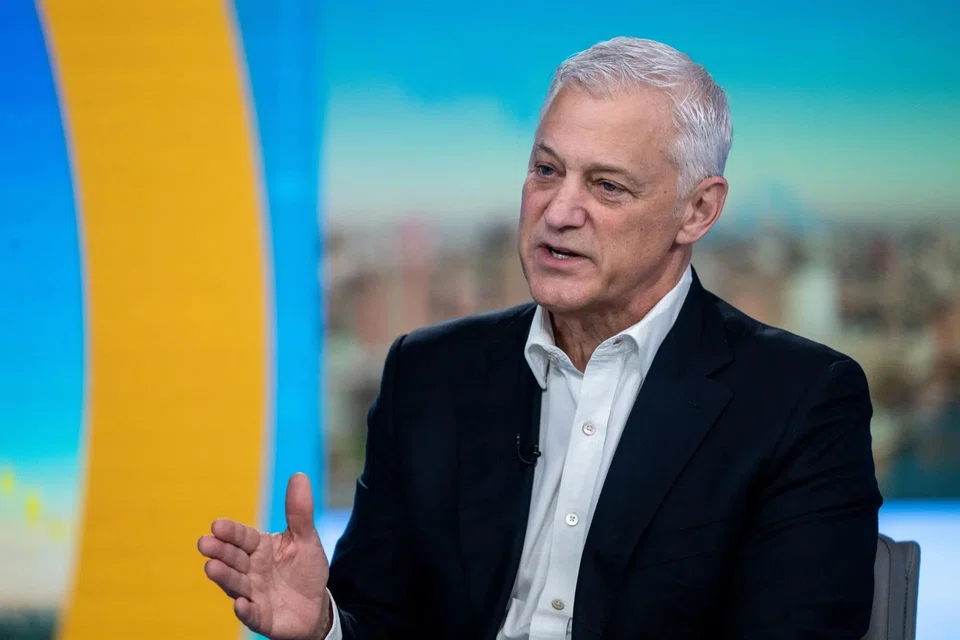
[HONG KONG] Standard Chartered chief executive officer Bill Winters delivered a blunt message on the future of the bank’s workforce, warning that a push into artificial intelligence will eliminate thousands of roles as the lender replaces “lower-value human capital” with technology.
The bank on Tuesday (May 19) unveiled a plan to cut more than 15 per cent of its support staff by 2030 through building up its use of AI to streamline operations. It employed about 52,000 people in such roles at the end of last year, with a footprint spanning India, China, Poland, Singapore, and Hong Kong.
“It’s not cost cutting; it’s replacing in some cases lower-value human capital with the financial capital and the investment capital we’re putting in,” Winters said at a briefing in Hong Kong on Tuesday, adding that affected staff would receive “good clear notice” ahead of time.
“We don’t have job losses, but we do have job role reductions in favour of the machines, and that will accelerate as we go forward into AI,” he said.
Winters’ remarks echo a growing candor among global financial leaders regarding the realities of automation, shifting away from previous narratives that framed AI purely as a tool to augment, rather than replace, human workers.
JPMorgan Chase CEO Jamie Dimon has compared AI’s disruptive potential to the invention of the steam engine, saying last year that that the bank’s annual savings from the technology now equal its yearly AI expenditures. Goldman Sachs Group president and chief operating officer John Waldron recently described portions of the firm’s traditional operations as a “human assembly line” prime for automation.



Navigate Asia in
a new global order
Get the insights delivered to your inbox.
The acceleration of AI deployment comes amid widening public anxiety over the technology’s impact. In the US, half of adults report being more concerned than excited about AI’s proliferation, according to data from Pew Research Center study, while local opposition to the construction of power-hungry data centres has intensified.
The banking sector’s rapid adoption of advanced systems is also drawing scrutiny from global regulators. Wall Street firms have begun internally experimenting with Anthropic’s Mythos model, a move encouraged by US administration officials to help detect digital vulnerabilities.
Officials warn that the widespread integration of AI has simultaneously armed bad actors, making a new breed of sophisticated cyberattacks one of the most critical systemic risks facing the global financial industry. BLOOMBERG
Decoding Asia newsletter: your guide to navigating Asia in a new global order. Sign up here to get Decoding Asia newsletter. Delivered to your inbox. Free.
Share with us your feedback on BT's products and services