

Analysing the odds of a Fed rate increase
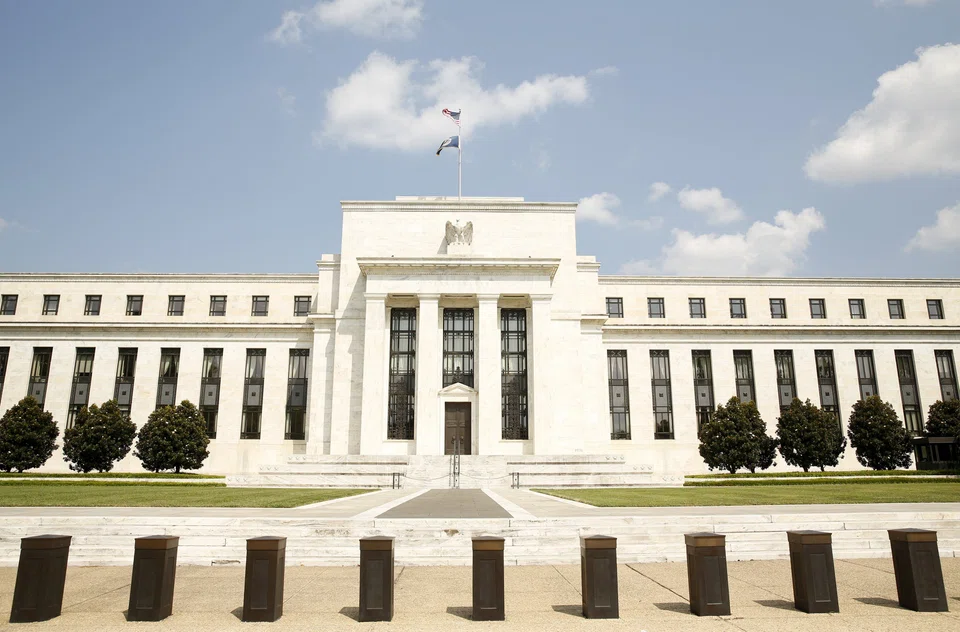
AS the debate about whether the US Federal Reserve will begin raising interest rates next week reaches fever pitch, each side is being forced to adopt so-called corner solutions, arguing for their respective position with mounting conviction. This is understandable given the demand for a definitive answer. But it also is unfortunate, because both camps fail to take account of some broader considerations that cloud any certainty.
At the simplest level of analysis, there is a 60/40 case in favour of a decision to begin the interest rate normalisation process at the Fed's Sept 16-17 Open Market Committee meeting.
The 60 per cent case reflects improving domestic economic conditions in the US, the Fed's main focus and primary concern. Job creation is robust, wage pressures are gradually building, and the economy's growth engines have bounced back from a disappointing start to the year.
The 40 per cent case reflects the global context in which the US economy and markets operate. This environment has been unusually fluid in recent weeks, and Fed officials are understandably hesitant to undertake any action that could add to the turmoil.
Almost every systemically important emerging economy is slowing, while Europe and Japan still struggle to develop growth potential. Financial volatility is on the rise. And at least two markets - oil and emerging-nation currencies - have been unhinged in a manner that causes volatility elsewhere.
In addition, as the major immediate concerns about economic and financial instability have shifted from Europe and the US to the emerging world, markets have a lot less confidence in the ability of officials there to repress volatility. This has been accentuated by China's unusually hesitant and inconsistent policy responses.
These calculations, however, fail to include the potential damage if the Fed decision turns out to be the wrong one. In other words, a rate hike could end up being the right policy at the wrong time. The odds on either side of the rate decision become a lot more balanced when they are adjusted for the possible consequences of such a policy mistake.
On the one hand, having already waited too long to begin its rate hike cycle, the Fed must weigh whether delaying further risks adding to the collateral damage and unintended consequences produced by the large and prolonged disconnect between financial asset prices and economic fundamentals.
On the other hand, given how long central bankers have maintained the extraordinary policy measures of recent years, the incremental cost of waiting a little longer could appear small compared with the possible consequences of a mistake (for example, an interest rate increase that inadvertently fuels the type of instability that tightens financial conditions and spills back into the global and US economy, increasing the threat of a vicious cycle).
A few months ago, I argued in favour of a rate hike as part of a comprehensive policy effort to shift markets away from an obsession about the timing of the first increase and towards a focus on the end result of what will be the "loosest tightening" cycle in the modern history of the Fed. But when I made that argument, domestic and global factors were much better aligned.
Although the Fed still has solid domestic reasons to raise rates next week, it cannot - and should not - ignore the worsening international context, given the global enmeshment of the US economy and its financial system. If we adjust for the risk of a policy mistake, the odds flip to favouring Fed patience - 51 to 49. It is that close for the September policy meeting. Bloomberg
TRENDING NOW

Nvidia reinstates Jensen Huang as CEO; Trump says move poses no national security risk

Beyond the greenback, Vietnam’s big borrowers turn to Asian-currency bonds

Indonesia’s coal tycoon Low Tuck Kwong replaced as Bayan Resources president-director

Six workers file employment claims against Crystal Jade Food Manufacturing

