

Ant would need 95b yuan in capital to comply with draft lending curbs
 Add BT as a preferred source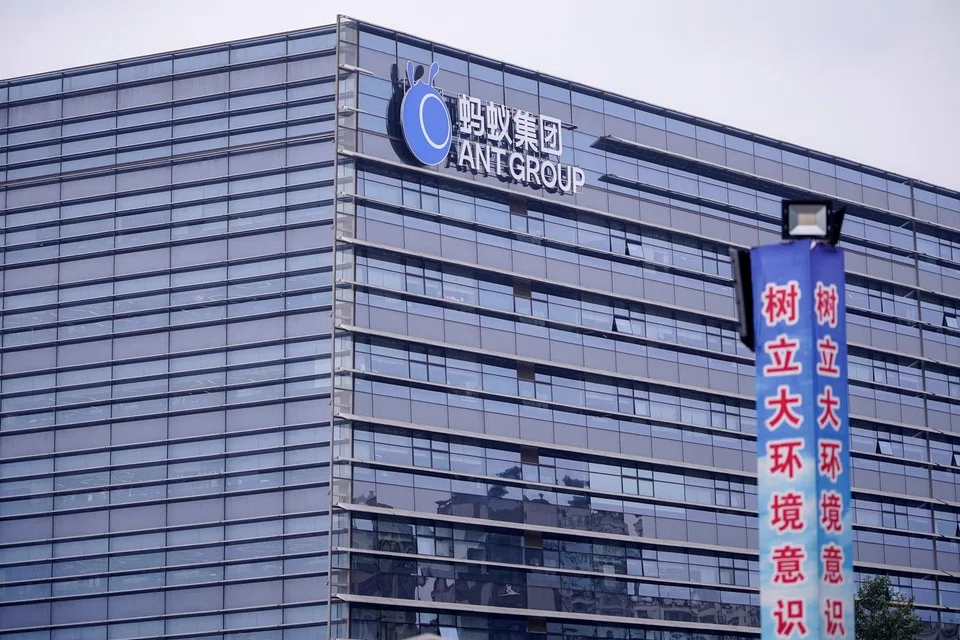
DeeperDive is a beta AI feature. Refer to full articles for the facts.
Beijing
THE shock suspension of Ant Group Co's US$35 billion initial public offering (IPO) is just the start of a renewed campaign by China to rein in the fintech empire controlled by Jack Ma.
The authorities are now setting their sights on Ant's biggest source of revenue: its credit platforms that funnel loans from banks and other financial institutions to millions of consumers across China, said sources.
The China Banking and Insurance Regulatory Commission (CBIRC) plans to discourage lenders from using Ant's platforms; it has already asked some to ensure their portfolios are compliant with the stringent draft regulations unveiled on Monday, said the sources, requesting anonymity.
The proposed measures, which call for platform operators to provide at least 30 per cent of the funding for loans, would render many of Ant's existing transactions non-compliant. The company now keeps about 2 per cent of loans on its own balance sheet, with the rest funded by third parties or packaged as securities.
The full scope of China's plans for Ant are unclear, and it is possible that lenders will continue to work with the company once it complies with regulators' requests.
Navigate Asia in
a new global order
Get the insights delivered to your inbox.
The CBIRC did not immediately respond to a request for comment.
Chen Shujin, the Hong Kong-based head of China financial research at Jefferies Financial Group Inc, said: "From the perspective of regulators and investors, they all need Ant to provide a better disclosure on the co-lending business.
"Ant needs to be aligned with regulations going forward and show that its business model can help lower borrowing costs for the economy, rather than raise them with some kind of monopoly."
China abruptly halted Ant's IPO after summoning Jack Ma to a meeting earlier in the week to outline an array of concerns and new regulations. President Xi Jinping's government is tightening controls on Ant and other fast-growing financial conglomerates, after years of allowing them to operate without the capital and leverage requirements imposed on banks.
The authorities have not yet provided much detail about what prompted the turnabout on the IPO, beyond saying it could not go ahead because of a "significant change" in the regulatory environment.
The halt comes after Mr Ma blasted the nation's financial system and questioned global regulatory models at a high-profile conference last month, calling banks "pawnshops". China is still a "youth" and needs more innovation to build an ecosystem for the healthy development of the local industry, he had said.
Any funding curbs could deal a major blow to Ant. After getting its start in online payments, lending is now its biggest business. It has underwritten 1.7 trillion yuan (S$345 billion) in consumer loans and 422 billion yuan in small business loans for 100 banks and other financial institutions.
Ant typically charges annualised interest rates of about 15 per cent to consumers. Its more than 20 million small business borrowers pay an average lending rate of about 11 per cent, almost double the average 5.94 per cent they can get from banks.
Ant would have to set aside 95 billion yuan in capital to comply with the draft rules issued by the CBIRC on Monday, or 2.7 times the current capital for its two micro-lending arms, Jefferies estimates. BLOOMBERG
Decoding Asia newsletter: your guide to navigating Asia in a new global order. Sign up here to get Decoding Asia newsletter. Delivered to your inbox. Free.
Share with us your feedback on BT's products and services
TRENDING NOW

Shelving S$5 billion office redevelopment plan proved ‘wise’ as geopolitical risks mount: OCBC chairman
OCBC is said to emerge as lead bidder for HSBC Indonesia assets
Middle East-linked energy supply shocks put Asean Power Grid back in focus

Eurokars Group introduces rental car franchises Enterprise Rent-A-Car, National Car Rental, and Alamo to Singapore

