Asian Development Bank unveils capital moves to boost lending by US$100 billion over a decade
 Add BT as a preferred source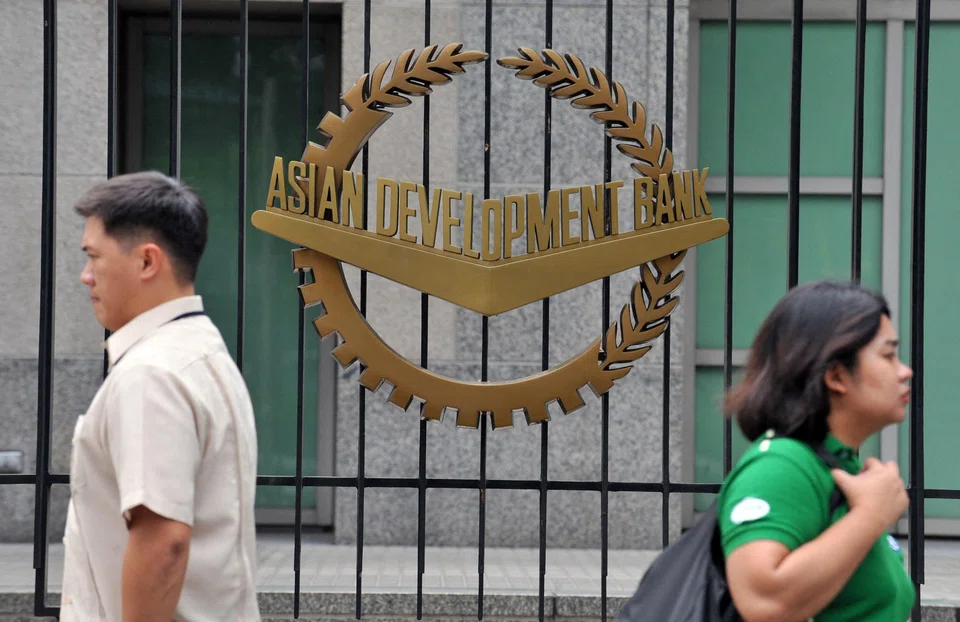
THE Asian Development Bank (ADB) unveiled new capital reforms on Friday that will unlock US$100 billion in new financing capacity over 10 years as the lender expands its development and anti-poverty mission to tackle climate change and other global crises.
The Manila-based lender said it was adjusting its risk appetite and reducing its minimum-level of capitalisation in a way that preserves its top tier AAA credit rating while allowing it to expand its lending commitments by nearly 40 per cent to about US$36 billion annually.
ADB’s move to stretch its balance sheet follows similar measures announced by the World Bank earlier this year that will yield a US$50 billion increase in lending over a decade. But the ADB’s effort will yield twice the new lending on an “apples to apples” comparison, ADB managing director General Woochong Um told Reuters in an interview.
ADB has traditionally taken a more conservative approach, maintaining a higher risk-adjusted capital ratio than the World Bank and other multilateral development banks, said Roberta Casali, vice-president for finance and risk management.
So as ADB took a more “granular” approach to analysing risks, and adjusting downward estimates of unexpected losses, the lender had more room to squeeze new lending from its capital structure than some other banks had, Casali said.
Aiding the effort - and providing some comfort to credit ratings agencies - is the creation of a new, US$12 billion Countercyclical Lending Buffer fund that can be used to aid ADB member countries in times of unexpected crises, helping to stabilize them and help avoid loan losses.
The World Bank said on Thursday it was proposing new capital measures that would add more than US$100 billion in new lending over a decade on top of the US$50 billion yielded by previous measures. These include use of debt-like hybrid capital and increased use of loan portfolio guarantees.
Discussions on expanding lending to fight climate change, pandemics, food insecurity and fragility will be a dominant topic at World Bank-IMF annual meetings in Marrakech, Morocco on Oct 9 to 15.
But with an estimated US$3 trillion in annual climate transition financing needs in developing countries, far more capital, private sector participation and innovation will be needed, ADB officials said.


“At the end of the day, developing Asia needs trillions of dollars, so we need to go from billions to trillions,” Um said. “All of us - the World Bank, ADB - need to do everything we can to squeeze as much money as possible from our balance sheets.” REUTERS
Decoding Asia newsletter: your guide to navigating Asia in a new global order. Sign up here to get Decoding Asia newsletter. Delivered to your inbox. Free.
Share with us your feedback on BT's products and services