Australia central bank holds rates steady, keeps hike on table
The RBA says that it would do what is necessary to bring inflation back to its 2% to 3% target band
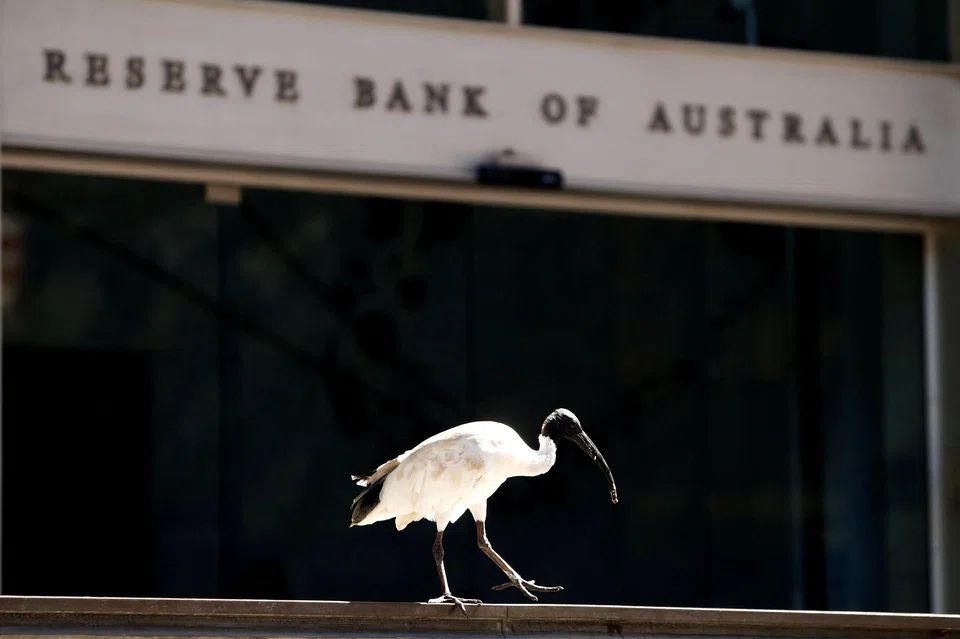
[SYDNEY] Australia’s central bank held its cash rate steady at 4.35% for a second straight meeting on Tuesday (Aug 11), saying the economy was slowing as expected, but warned it might hike again if needed to control inflation.
Wrapping up its August policy meeting, the Reserve Bank of Australia (RBA) said that it would do what was necessary to bring inflation back to its 2 per cent to 3 per cent target band, including increasing the cash rate target further if upside risks materialise.
Markets had wagered on a steady outcome given inflation data had come in under forecasts in the second quarter, while the housing market had weakened more than policymakers had expected.
“The board remains focused on ensuring that high inflation does not become embedded,” policymakers said in a statement. “To achieve this, growth in aggregate demand needs to remain subdued to reduce capacity pressures and bring inflation back to target.”
The RBA has already raised rates by 75 basis points this year to fully reverse the amount of policy easing from 2025 as it struggled to contain stubborn inflationary pressures in the economy driven by surging energy costs.
It judged the current cash rate to be slightly restrictive, but has yet to rule out further policy tightening. Governor Michele Bullock said last month that a further slowdown in the economy may be required to bring inflation down.
The unanimous decision was largely as expected. The Australian dollar was flat at US$0.7055, while three-year government bond yields reversed an earlier rise to be flat at 4.55 per cent.
Swaps imply around a 40 per cent chance of another rate increase this year, down from 50 per cent before the decision.
“While the board continued to talk tough on inflation, we don’t believe that it will go as far as to hike rates again this cycle,” Capital Economics economist Abhijit Surya said in a note. “Assuming the bank keeps policy at its current restrictive setting, capacity pressures should eventually ease in earnest.”



Higher borrowing costs brought a record boom in the housing market to an abrupt end, with tumbling auction clearance rates, a plunge in loan applications and a slump in sales signalling tough conditions ahead.
However, consumer spending stayed solid, the labour market kept churning out more jobs and the recent re-escalation of the Middle East conflict kept policymakers wary of pass-throughs from higher oil prices to other parts of the economy.
The closely watched Q2 inflation data surprised on the downside, giving the RBA room to hold fire this month.
The RBA now expects inflation to move back into the target band in the second half of next year. Consumer price inflation is projected to ease to 3.6 per cent by the end of the year and to 2.6 per cent by the end of 2027. REUTERS
Decoding Asia newsletter: your guide to navigating Asia in a new global order. Sign up here to get Decoding Asia newsletter. Delivered to your inbox. Free.
Share with us your feedback on BT's products and services