

Australia RBA governor 'appalled' at banks' behaviour
 Add BT as a preferred source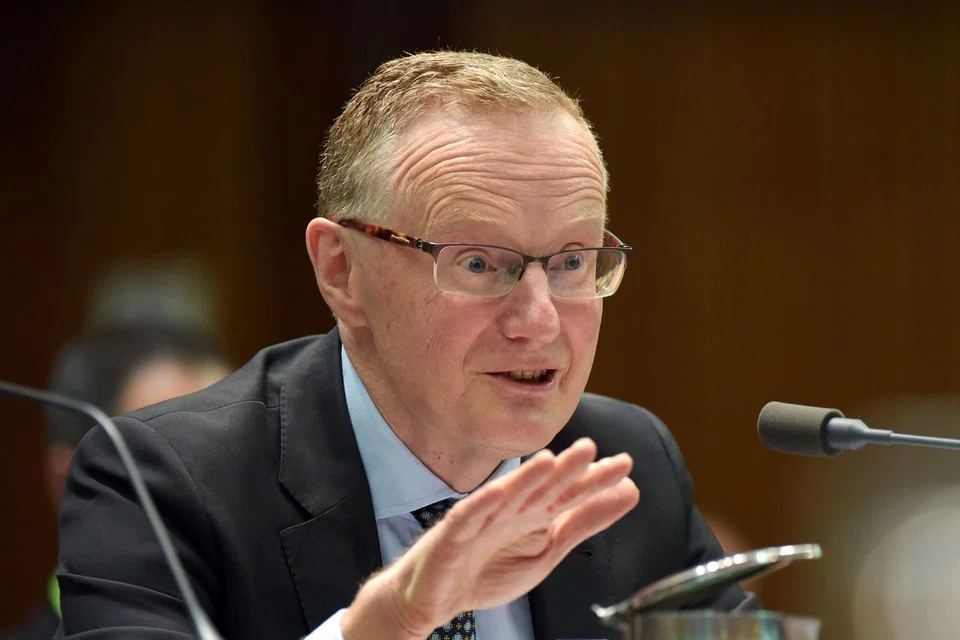
DeeperDive is a beta AI feature. Refer to full articles for the facts.
[SYDNEY] Reserve Bank of Australia (RBA) governor Philip Lowe said on Friday he was "incredibly disappointed" and "appalled" at the behaviour of the country's banks after a high-level inquiry into the sector unearthed misconduct and malpractice.
Revelations from the government-mandated Royal Commission inquiry have rattled investors and angered the general public, hitting share prices and leading to board or senior management shake-ups at some institutions.
Mr Lowe, who was speaking before a parliamentary economics committee in Canberra, said he has been following the Royal Commission hearings "very carefully."
"I have to say that I have been incredibly disappointed and in many, many cases appalled by what has come out from the Royal Commission," Mr Lowe said.
"The trust between financial institutions and the community has been strained," he added.
Mr Lowe referred to a couple of common themes that he had detected through the public hearings, which began earlier this year, notably the ways in which conflicts of interest were managed and remuneration structures.
Navigate Asia in
a new global order
Get the insights delivered to your inbox.
Mr Lowe said difficulties in dealing with conflicts of interest seemed "pervasive."
For example, banks heavily incentivised mortgage brokers to recommend bigger loans than what the customer actually needed. Banks' own financial planning or advisory businesses regularly recommended proprietary products even if they didn't serve customers well.
"These conflicts can be dealt with, they can be managed but they need to be top of mind. And, if they are not top of mind then they continue to strain bonds of trust between community and the institution."
The second common theme, Mr Lowe said, was the role of remuneration structure in driving predatory behaviour where bank employees were rewarded for pushing sales with little or no regard for the best interests of the customer.
Mr Lowe said dealing with these two sets of issues should be "high priority."
He noted the inquiry has had some effect on the supply of loans as banks tighten their lending standards in response.
"Financial institutions are becoming more risk averse, it's understandable," Mr Lowe said.
"They now have very little appetite for internal process failures. The process for approving loans is slower and more loans are probably getting rejected than previously would have been the case."
However, Mr Lowe emphasised that reduced credit was not causing a slowdown in Australia's once-booming housing market, which suffered its sharpest monthly price fall in July since late 2011.
He pointed to increased housing supply, weakness in Chinese demand and risk aversion as possible reasons for the slowdown.
REUTERS
Share with us your feedback on BT's products and services
TRENDING NOW

Shelving S$5 billion office redevelopment plan proved ‘wise’ as geopolitical risks mount: OCBC chairman

Eurokars Group introduces rental car franchises Enterprise Rent-A-Car, National Car Rental, and Alamo to Singapore
20 photos that show how dramatically Singapore has changed in two decades
Singapore’s key exports up 15.3% in March from electronics surge, exceeding forecasts

