Australia set for U-turn to rate hike in break from global trend
The turnaround has been driven by stubborn price pressures buttressed by a surprise drop in unemployment
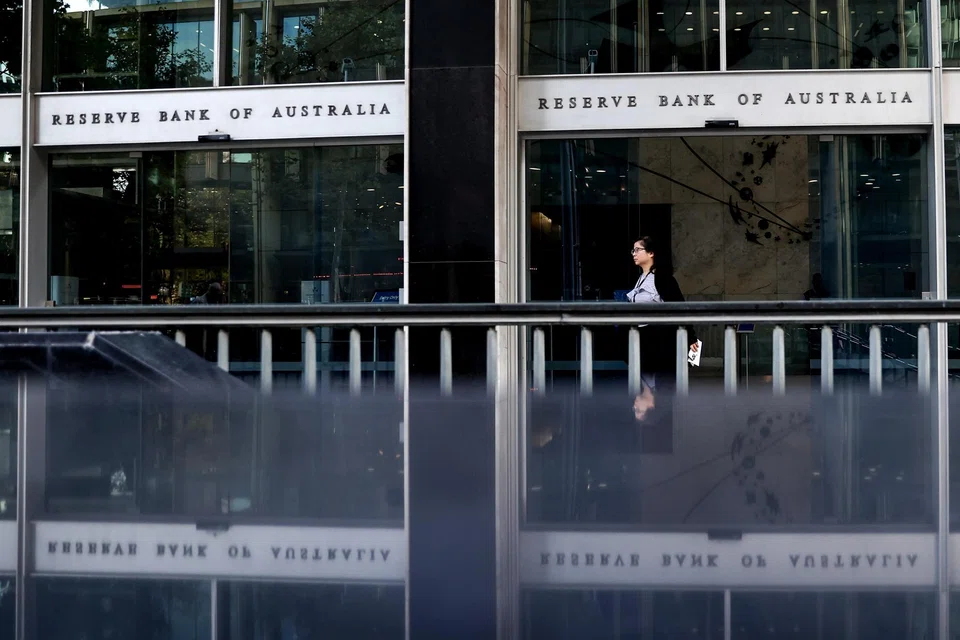
[SYDNEY] Australia’s central bank faces the uncomfortable prospect of going against the global grain and switching back to raising interest rates this week to douse resurgent inflation, less than six months after it last cut.
Economists expect the Reserve Bank of Australia (RBA) will increase its cash rate on Tuesday (Feb 3) by a quarter-percentage point to 3.85 per cent, a view reinforced by overnight-indexed swaps. The turnaround has been driven by stubborn price pressures buttressed by a surprise drop in unemployment.
“Inflation is a clear and present danger and attending to that danger now by raising the policy rate is the most appropriate response,” said Stephen Miller, an investment strategist at GSFM. “Failure to do so may well necessitate more aggressive use of the policy rate instrument down the track.”
The RBA decision lands amid increasingly divergent global monetary paths. The US Federal Reserve, as well as several emerging Asian economies, are poised to cut borrowing costs, while the euro zone is likely to stay on hold and Japan may tighten further.
Expectations for RBA policy began to shift late last year after inflation surprised to the upside in the third quarter, prompting the board to adopt a more hawkish tone and Governor Michele Bullock to all but rule out further cuts. While several economists began to flag the risk of a February hike, most still expected a prolonged pause.
That view was jolted a couple of weeks ago when unemployment, which was supposed to be gently climbing, dropped to 4.1 per cent, and was cemented last week when data showed the RBA’s preferred measures of underlying inflation were elevated in the final quarter of 2025. The results reinforced the view that policymakers remained some distance from returning inflation to the 2 to 3 per cent target band.
“Holding rates amid persistently above-target inflation with upside risks would raise questions about the RBA’s commitment to the inflation target,” said Nick Stenner at Bank of America, who expects the job market to stay tight, which would keep inflation elevated. “A hike would be consistent with the RBA’s hawkish shift in communication over recent months.”
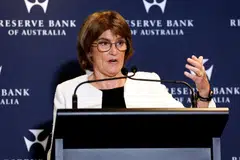
The central bank announces its policy decision at 2.30 pm local on time on Tuesday and will simultaneously release a quarterly update of economic forecasts. An hour later, Bullock will hold her post-meeting press conference, where she’s likely to be pressed for guidance on future policy moves.
If the RBA does hike, the first tightening since November 2023, some economists say it’s unlikely to be the beginning of a series of rate increases. That’s because there are signs that financial conditions have already been tightening, doing some of the bank’s work for it.
SEE ALSO
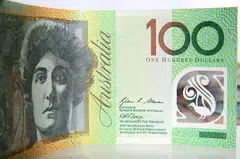
The Australian dollar has jumped around 5 per cent this year, among the best-performing major currencies, partly on US President Donald Trump’s public indifference to a weaker greenback, but also on strong commodities prices and the rising likelihood of monetary tightening.
As a result, the central bank’s economic forecasts, which in November were premised on a rate cut late this year, will now be based on hikes, suggesting it will be in a better position to hit the 2.5 per cent midpoint of its inflation target.
ANZ Bank’s Adam Boyton echoes this view, saying any move would likely amount to a “single insurance” hike. The recent surge in the Australian dollar’s trade-weighted index has already delivered a de facto tightening, he said. That, together with one hike, would allow the RBA to forecast a return of inflation towards the midpoint of its target in this week’s Statement on Monetary Policy.
The RBA may face criticism for being forced to return to raising rates. Some commentators argue that policymakers went too far by cutting three times in 2025. Still, abrupt reversals are not without precedent, points out Sean Keane, chief Asia-Pacific strategist at JB Drax Honore.
A similar pivot followed the global financial crisis. After slashing borrowing costs to a then-emergency low of 3 per cent in April 2009, the RBA swung to raising them again in October that year as China’s massive stimulus sent demand soaring for Australian resources.
“Such policy shifts are not unusual – they just haven’t happened for a while,” Keane said. “Then again, it’s been a long time since the RBA saw unemployment print 0.3 percentage point below its forecasts at the same time inflation was 0.5 point above.”
There are some, including Bloomberg Economics, Goldman Sachs, Deutsche Bank and AMP, which remain on the dovish end of the spectrum and expect policymakers to hold rates steady.
But most are committed to a hike. Some also say the national centre-left government needs to take responsibility for its part in the revival of inflation, after it ramped up spending last year to secure re-election in a landslide victory, as well as increasing the regulatory burden on the economy.
“Of particular note are regulatory forays into wage-setting arrangements and the industrial relations arena, which have proven inimical to productivity growth,” said GSFM’s Miller. “That has seen unit labour cost growth run at around 5 per cent, something manifestly irreconcilable with the RBA’s current 2 to 3 per cent inflation target.” BLOOMBERG
Decoding Asia newsletter: your guide to navigating Asia in a new global order. Sign up here to get Decoding Asia newsletter. Delivered to your inbox. Free.
Share with us your feedback on BT's products and services