

Australian dollar gets little lift from central bank rate hike as Iran war concerns dominate
Markets anticipate a 20 per cent chance of an additional move in June
 Add BT as a preferred source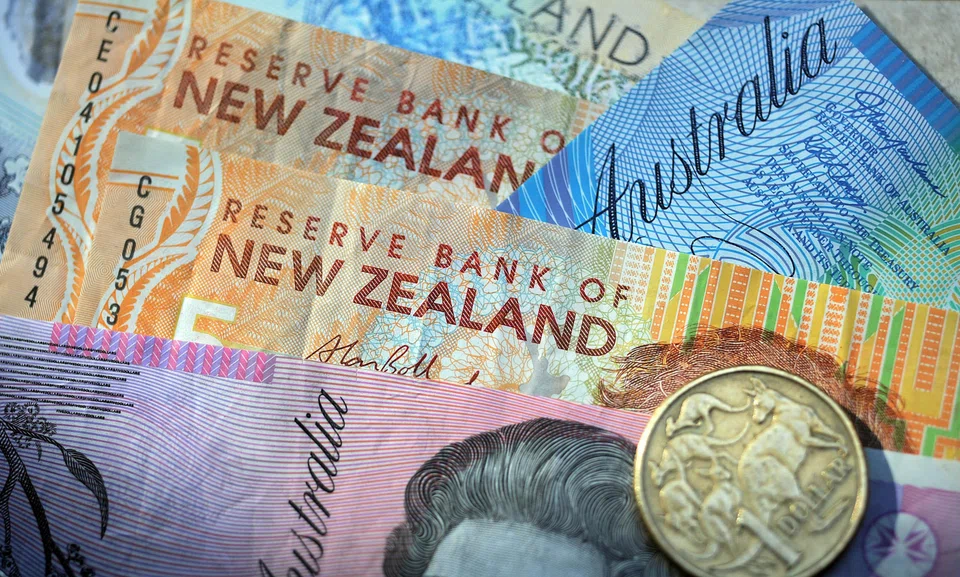
[SYDNEY] The Australian dollar flatlined on Tuesday after the country’s central bank raised interest rates for a third straight time, while leaving open the question of whether further tightening was needed.
Wrapping up its May meeting, the Reserve Bank of Australia’s policy board lifted the cash rate by 25 basis points to 4.35 per cent, matching a peak hit during the inflationary fallout from the Covid-19 pandemic. The board voted 8 to 1 for the hike, a hawkish shift from March when it split 5-4.
Yet the board also noted that having raised the cash rate three times, “monetary policy is well placed to respond to developments,” hinting it might be done for now.
The Aussie was a shade softer at US$0.7163, having slipped 0.5 per cent overnight as a fresh jump in oil hit risk assets. Strong support lies around US$0.7102, with resistance at US$0.7228.
Markets imply around a 20 per cent chance of an additional move in June, but are fully priced for 4.6 per cent by September, which would be the highest since late 2011.
A jump in oil prices caused by the US-Israeli war on Iran saw the RBA sharply raise its forecasts for inflation this year, seeing it peak near 5 per cent, while cutting the outlook for economic growth and employment.
Navigate Asia in
a new global order
Get the insights delivered to your inbox.
Concerns have only grown after Iran hit a United Arab Emirates port and several ships in the Strait of Hormuz after the US Navy launched an attempt to help some vessels exit the waterway.
“If we see the strait begin to reopen through this month, we expect the board to hold rates steady,” said Harry Murphy Cruise, head of economic research for Oxford Economics Australia.
“But the longer the strait remains closed, the fewer options the board will have; a prolonged closure would force the RBA’s hand to hike rates multiple times this year to tame inflation and inflation expectations.”


The New Zealand dollar was off 0.1 per cent at US$0.5859 after easing 0.4 per cent overnight. It has support at US$0.5816, while resistance stands at US$0.5926. REUTERS
Decoding Asia newsletter: your guide to navigating Asia in a new global order. Sign up here to get Decoding Asia newsletter. Delivered to your inbox. Free.
Share with us your feedback on BT's products and services
TRENDING NOW

On the board but frozen out: The Taib family feud tearing Sarawak construction giant apart

Is it time to scrap COE categories for cars?

Thai and Vietnamese farmers may stop planting rice because of the Iran war. Here’s why

Former manager with DBS Bank admits cheating 7 victims, including his uncle, of over S$1 million

