

Australian dollar hits multi-year highs as bulls scent rate rise
Markets now expect an interest rate hike
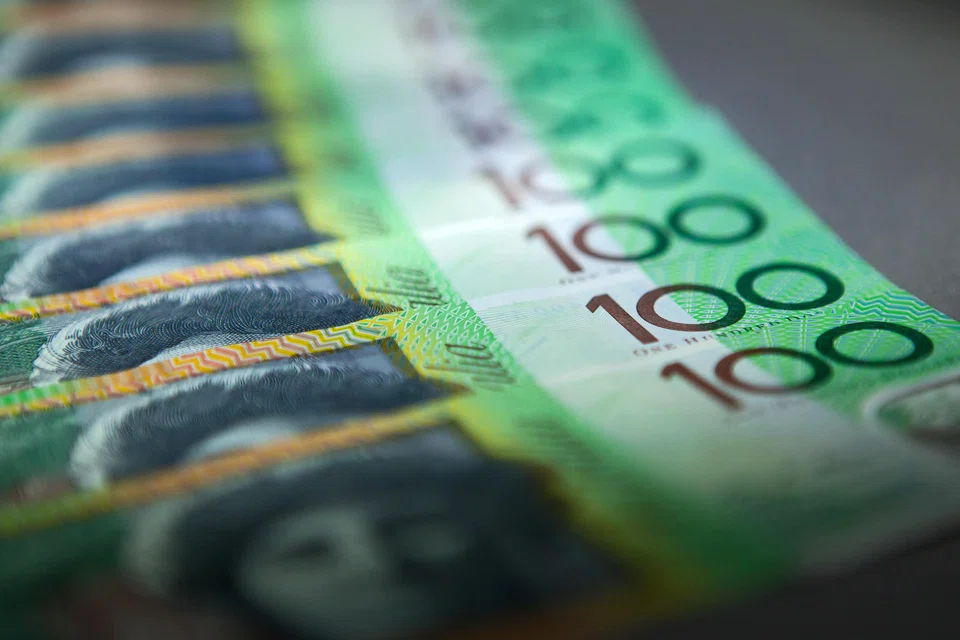
[SYDNEY] The Australian dollar paused near multi-year peaks against a range of peers on Wednesday as markets sharply narrowed the odds on an imminent interest rate hike in one of very few developed nations to be tightening policy.
The Aussie was up at US$0.7127, having hit a 45-month top of US$0.7168 overnight to briefly clear a high from 2023 at $0.7158. The next major bull target is around US$0.7270.
It struck a 35-year peak on the yen at 112.87, along with a near 13-year high on the New Zealand dollar and a 15-month top on the euro.
The kiwi dollar lagged at US$0.5927, with a rate rise in New Zealand not seen likely until September.
Much of the Aussie’s gains came after Reserve Bank of Australia Deputy Governor Andrew Hauser on Tuesday warned that the spike in oil prices would push inflation higher and add to pressure for a rate rise at its policy meeting next week.
RBA Governor Michele Bullock had already cautioned markets the March 17 meeting would be “live” on rates. Hauser underlined there would be a “genuine debate” about hiking, while noting much uncertainty about events in the Middle East.
“We take Hauser’s comments as putting the market on notice that it should not be surprised if the RBA decides to raise rates next week,” said Sally Auld, chief economist at NAB.
“NAB’s view remains for a rate hike in May. Ultimately, the direction of travel is clear, but the timing is up for debate.”
Markets took the Hauser hint and doubled the probability of a March hike to around 65 per cent, with a quarter-point rise to 4.1 per cent more than fully priced for May.


There are now 58 basis points of tightening implied for this year, which would take rates back to the post-pandemic peak of 4.35 per cent hit when consumer price inflation was running above 7 per cent.
Headline inflation is currently at 3.8 per cent and is set to top 4 per cent given the ongoing rise in petrol prices. Core inflation is a bit more moderate at 3.4 per cent but remains well above the RBA’s target band of 2 per cent to 3 per cent.
The hawkish outlook for domestic policy has combined with the inflation risk from oil to lift Australian three-year bond yields to levels not seen since mid-2001.
The current yield of 4.488 per cent is 88 basis points above Treasuries, near the widest since 2016. REUTERS
Decoding Asia newsletter: your guide to navigating Asia in a new global order. Sign up here to get Decoding Asia newsletter. Delivered to your inbox. Free.
Share with us your feedback on BT's products and services






