

Australian dollar left flat by mixed jobs data, New Zealand dollar gets no rate lift
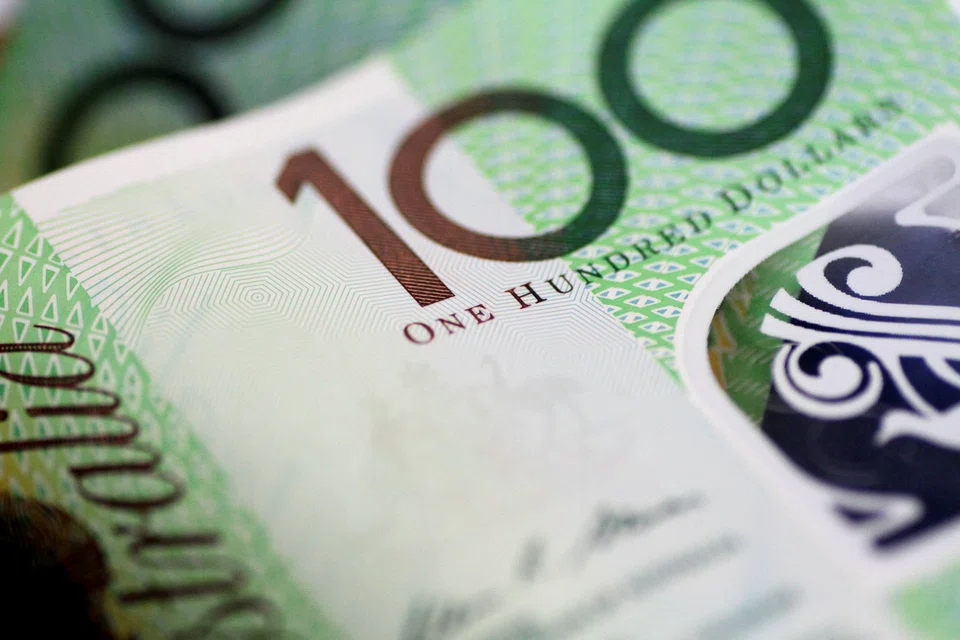
THE Australian dollar went flat on Thursday as local jobs figures proved confusingly mixed rather than clearly strong as hawks had hoped for, leaving the market split on the likely size of near-term rate hikes.
The Aussie was lying at US$0.6934, having dived 1.2 per cent overnight as the US dollar gained broadly.
Support is down around US$0.6912 and US$0.6870, with resistance at US$0.6960 and US$0.6990.
The kiwi dollar steadied at US$0.6280, having shed 0.9 per cent overnight as a fleeting rally failed to clear resistance at US$0.6380. Support comes in at US$0.6260 and US$0.6215.
Australian data showed jobs badly missed forecasts with a drop of 40,900 in July, yet the unemployment rate still fell to a fresh 48-year low of 3.4 per cent.
“After many months of upside surprises, we read the labour market report as a relatively weaker one,” said Shreya Sodhani, an economist at Barclays.
“Still, given that jobs dropped for the first time since October 2021 and the participation rate is still much higher than pre-Covid levels, the labour market remains the strongest part of the economy.”
The mixed message did not change the outlook for rates much, with futures still leaning toward a half-point hike from the Reserve Bank of Australia (RBA) in September.
The kiwi had failed to get a lasting lift after the Reserve Bank of New Zealand (RBNZ) not only raised its cash rate (OCR) by 50 basis points to 3.0 per cent but also signalled it wanted to get to a restrictive 4.0 per cent before pausing.


Investors now see rates at 4.0 per cent by April at the latest, though they also doubt the RBNZ will be able to keep them that high for all of 2023 as projected.
Indeed, the NZ yield curve has turned inverted for the first time since 2008, with two-year yields 8 basis points below the 10-year as markets brace for a possible recession.
“The RBNZ is on a largely preset path for rates over the near term, has a high tolerance for a domestic slowdown and is putting less emphasis on global risk,” said Andrew Boak, an economist at Goldman Sachs.
He now expects a further half-point hike in October, but sees rates peaking at 3.75 per cent in November as the domestic economy slows and house prices slide. REUTERS
Decoding Asia newsletter: your guide to navigating Asia in a new global order. Sign up here to get Decoding Asia newsletter. Delivered to your inbox. Free.
Share with us your feedback on BT's products and services
TRENDING NOW

He built the Vingroup empire. Now South-east Asia’s richest man is handing some key roles to his sons

Grab executives buy back shares after stock hits 3-year low on Atome deal

US dollar falters after Iran’s offer to reopen Hormuz sends oil lower

Martin Modern, Wallich Residences properties linked to money laundering case sell for S$16.3 million at auction

