Australian, New Zealand dollars flatline; RBA sticking to hikes for now
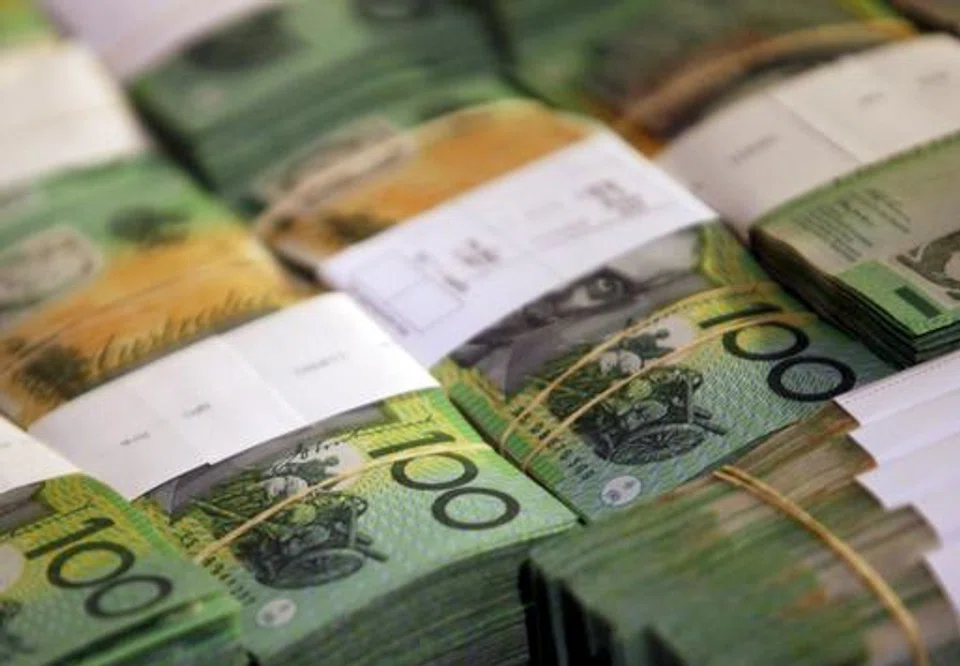
THE Australian and New Zealand dollars held still on Friday as investors took cover ahead of US jobs data, while Australia’s central bank warned the domestic economy would have to slow to curb inflation.
The Aussie flatlined at US$0.6963, having ricocheted from a six-week top of US$0.7048 to a low of US$0.6887 in recent sessions before finding bids.
Support comes in around US$0.6935 with resistance at US$0.6988.
The kiwi dollar kept to a tight band around US$0.6290 after bouncing between US$0.6214 and US$0.6352 through the week.
The US nonfarm payrolls report is due to be released at 1230 GMT with economists expecting an increase of 250,000 jobs.
A quarterly outlook from the Reserve Bank of Australia (RBA) saw it sharply revise up forecasts for inflation to a dizzying 7.75 per cent while downgrading economic growth out to 2024.
The bank warned further rate rises would be needed to bring supply and demand back into balance, with some risk the economy could be upended in the process.
“The forecasts and especially the further upward revision to inflation suggest that additional tightening is required, with the prudent approach clearly to get to neutral sooner rather than later,” said Su-Lin Ong, chief economist at RBC Capital Markets.
“We stick with our base case for another 50bp in September, followed by a step down in the pace of tightening thereafter.”

The “neutral” rate is something of a moveable feast, but RBA Governor Philip Lowe has argued it will be at least 2.5 per cent.
The market is split on whether the RBA will deliver another 50 basis points in September, but still sees rates around 3.0 per cent at the end of the year and a top around 3.35 per cent in April 2023.
The bond market seems to be convinced that will be enough to eventually tame inflation and allow rates to come down in 2024, with three-year bond yields having come back to 2.857 per cent from a peak of 3.767 per cent in June.
Across the Tasman Sea, the Reserve Bank of New Zealand (RBNZ) is considered almost certain to hike by another 50 basis points to 3.0 per cent at its policy meeting on Aug 17.
It is also thought likely to stick to its hawkish forecasts for rates to peak near 4 per cent given a super-tight labour market and still red-hot inflation.
Markets mostly agree though, they are also pricing in rate cuts as early as July next year as clearly restrictive policy hits the housing market and consumption. REUTERS
Decoding Asia newsletter: your guide to navigating Asia in a new global order. Sign up here to get Decoding Asia newsletter. Delivered to your inbox. Free.
Share with us your feedback on BT's products and services