Australian, New Zealand dollars seesaw on greenback, extend gains on yen
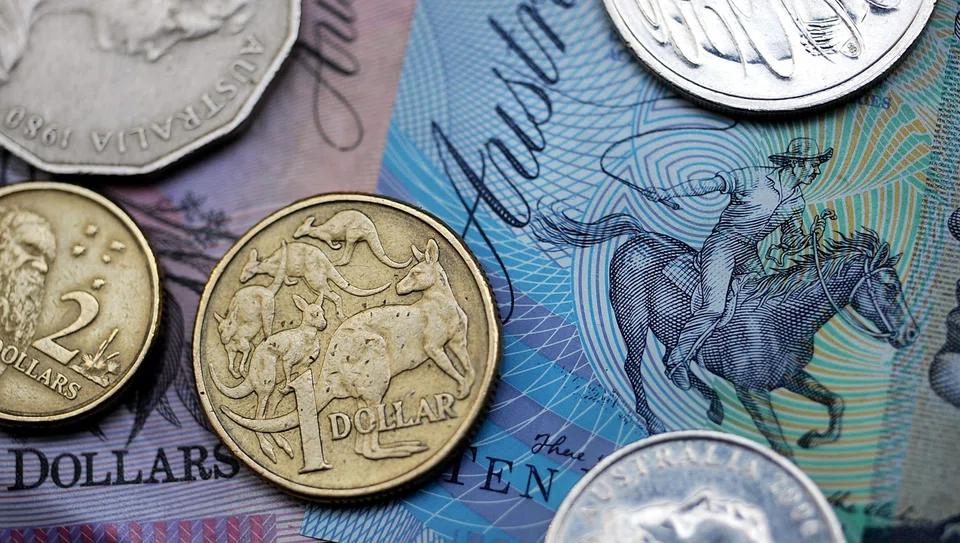
[SYDNEY] The Australian and New Zealand dollars steadied on Wednesday after their US peer enjoyed a broad bounce overnight, while both currencies extended gains on the yen as expectations built for more debt-funded fiscal stimulus in Japan.
The Aussie was holding at US$0.6687, having retreated from a top of US$0.6727 overnight. Major support is seen at US$0.6662, with resistance at the recent 15-month high of US$0.6766.
“The recent run-up in the Aussie is supported by all manner of fundamental drivers, including RBA rate expectations, yuan appreciation, positive risk sentiment and higher commodity prices,” said Ray Attrill, head of FX strategy at NAB.
“We currently have no reason to revise our forecasts for AUD/USD at US$0.69 by end Q1 and US$0.70 around mid-year and remaining above in the latter half of 2026.”
The kiwi dollar was flat at US$0.5740 after also falling back from a US$0.5784 top overnight. Support lies at US$0.5712, with resistance at US$0.5810.
Both fared better versus the ailing yen as the Aussie climbed to its highest point since July 2024 at 106.59, having risen for five straight months.
The latest media reports said Japanese Prime Minister Sanae Takaichi is considering calling a snap lower house election on Feb 8, hoping to expand her party’s slim majority.
Australian economic data failed to move the needle on rate expectations with job vacancies dipping a slight 0.2 per cent in the November quarter, pointing to stability in labour demand.
Markets imply a 27 per cent chance that the Reserve Bank of Australia will raise the 3.6 per cent cash rate by a quarter point when it meets on Feb 3, though that rises to 76 per cent by May.

Much will depend on consumer price data for the fourth quarter which is due at the end of this month, where an increase of 0.9 per cent or more in core inflation would greatly increase the pressure for a near-term increase.
In New Zealand, recent data has pointed to a continued pickup in activity from subdued levels, though nothing that would require a rise in rates.
Markets imply almost no chance of a rise in the 2.25 per cent cash rate at the Reserve Bank of New Zealand’s next meeting on Feb 18, with little prospect of a move until at least September. REUTERS
Decoding Asia newsletter: your guide to navigating Asia in a new global order. Sign up here to get Decoding Asia newsletter. Delivered to your inbox. Free.
Share with us your feedback on BT's products and services