Bank of America down a notch on ‘too big to fail’ list
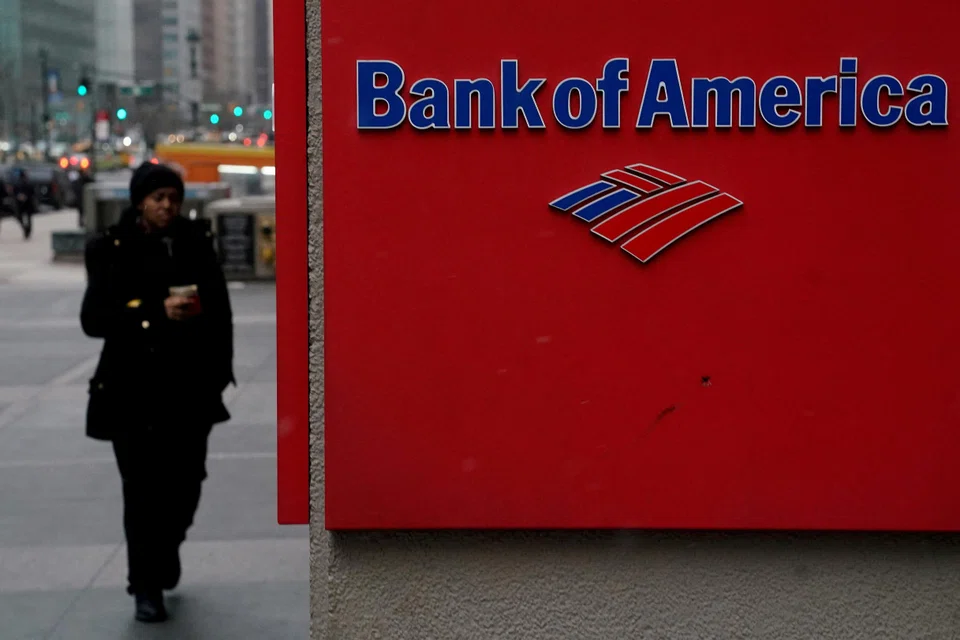
THE body that monitors the global financial system on Tuesday (Nov 26) moved US lender Bank of America down a notch and French counterpart Credit Agricole up one on its “too big to fail” list of banks.
BOA dropped down to category two from three previously while no bank enjoys top-ranked “bucket five” status on the list of 29 banks deemed systemically important for world finance.
Top dog remains JPMorgan in bucket four, with only Citigroup and HSBC in three after BOA moved down.
The Basel-based Financial Stability Board (FSB) said Credit Agricole had moved up one level meanwhile to join BOA.
The French entity will have to abide by stricter regulations notably regarding capital provision in case of financial woes hitting the sector.
The G20 tasked the FSB with carrying out reforms of the financial system after the 2008 crisis and the latter has published a list of so-called systemically important banks since 2012, which it updates every year.



The five categories or buckets correspond to differing degrees of capital requirements and loss-absorbing capacities.
Credit Suisse dropped off the list last year following its emergency takeover by domestic rival UBS as Swiss authorities moved to avert fears of a potential banking meltdown.
Updating its list later, the FSB tightened requirements for UBS, downgrading the Swiss bank to category 2, where it joined the likes of Barclays, BNP Paribas, Goldman Sachs and Bank of China. AFP
Decoding Asia newsletter: your guide to navigating Asia in a new global order. Sign up here to get Decoding Asia newsletter. Delivered to your inbox. Free.
Share with us your feedback on BT's products and services