

Bank of England’s Mann says she is ready to hike if price pressures persist
Mann has long advocated being “activist” by responding quickly and aggressively if circumstances change

BANK of England rate-setter Catherine Mann says she is prepared to make an “activist” hike if inflation expectations and other price warnings do not improve later this year.
She says she supports holding rates at 3.75 per cent for now but warns that inflation could get embedded in prices, according to the text of a speech she is due to deliver in London later on Thursday (Jul 2).
She will keep a close eye on the data in the second half of this year in case rising prices affect wage settlements and inflation expectations.
“Energy price developments, profit margin behaviour, and the underpinnings of the 2027 wage negotiations will be critical in determining whether current cost pressures become more embedded,” she is due tell the Natixis CIB Private Debt Forum.
“I am confident that if outturns – especially in expectations – are unfavourable to the underlying inflation process, an activist move can bring inflation expectations and outcomes toward the 2 per cent target.”
Mann was in the majority on the Monetary Policy Committee to vote to hold rates last month, when the committee split 7-2 against a quarter-point hike, but she has long advocated being “activist” by responding quickly and aggressively if circumstances change.
Such an approach is justified because policy decisions, and the expectation of policy moves, feed quickly into the real economy, she argues.
Mann says tighter financial conditions in the markets had deterred her from voting for a rate rise in June, despite the balance of risks being inflationary. “There was more upside risks to inflation compared to downside risks for activity,” but “financial markets had tightened considerably.” As a result, an “activist hold was the appropriate decision.”
If inflation expectations do not come down in the second half of the year, Mann may join those voting for higher rates, she suggests. The BOE’s own measure of household inflation expectations is 4 per cent, twice its target.

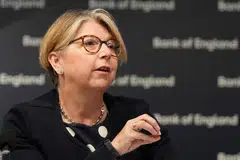

“Once expectations drift from the 2 per cent target, monetary policy needs to tighten more,” Mann says. “This research strand alone would typically point towards a tighter policy stance.”
“Monetary policy can have quick effects on the key variables of inflation expectations and CPI inflation, which is the Bank of England’s remit.”
Rising unemployment was masking a mixed picture, with some sectors doing better than others. “Therefore, demand may be more resilient than projected by the aggregate numbers.”
She also warns that even if energy prices moderate, “the temptation will be to maintain the own- price and wage strategies to partially rebuild margins, which, according to the survey data, have been absorbing the current shock.” BLOOMBERG
Decoding Asia newsletter: your guide to navigating Asia in a new global order. Sign up here to get Decoding Asia newsletter. Delivered to your inbox. Free.
Share with us your feedback on BT's products and services






