

Bank Indonesia may defend rupiah amid volatile oil, analysts say
The central bank has pledged “firm and consistent interventions” in onshore and offshore foreign-exchange markets to cushion the currency
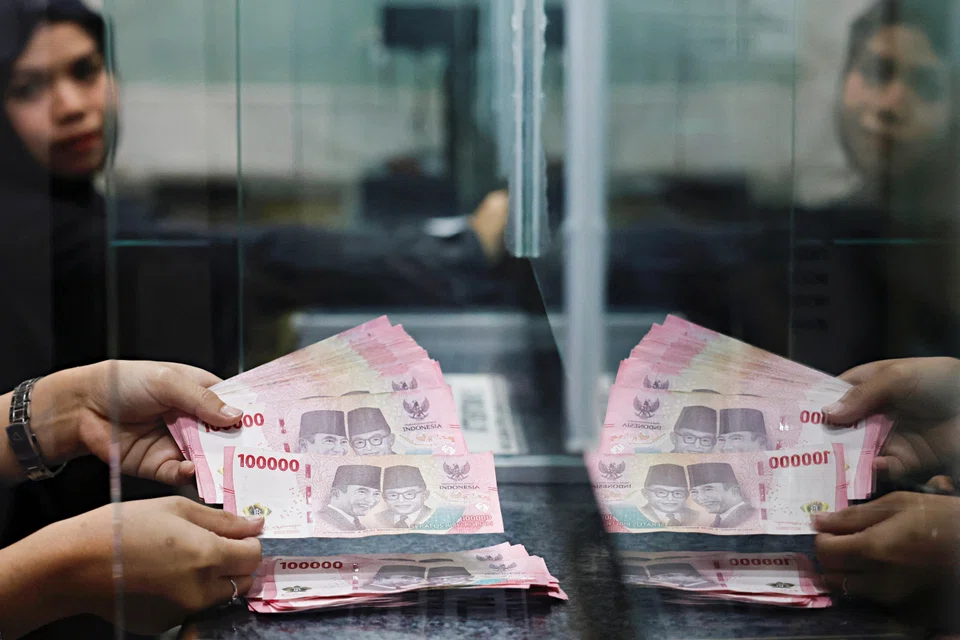
[JAKARTA] Indonesia’s central bank may continue to defend the rupiah around a key threshold as volatile oil prices, a stronger US dollar and risk-off flows tied to the Iran conflict deepen concerns over the nation’s investment appeal.
Bank Indonesia (BI) is expected to keep intervening to hold the rupiah below the psychologically important 17,000 per US dollar mark, according to analysts. Uncertainty over how long the war may last is compounding Indonesia’s existing economic concerns, while elevated crude prices risk stoking inflation in the net oil-importer.
Pressure on the rupiah highlights mounting risks for South-east Asia’s largest economy, where sustained currency weakness may strain fiscal metrics in the months ahead. After a string of warnings from rating companies about Indonesia’s economic trajectory, BI’s ability to steady the currency may be critical to restoring investor confidence.
“Dollar strength and weak sentiment are weighing more on the rupiah now, and BI could see scope to defend the 17,000 level strongly,” said Lloyd Chan, currency strategist at MUFG Bank. “It’s both about anchoring sentiment and to prevent a sharp deterioration of the external balances.”
Since late 2024, Bank Indonesia has stepped up efforts to stabilise the rupiah. It has done so by selling US dollars from its foreign-exchange reserves to buy rupiah, purchasing government bonds in the secondary market, and using non-deliverable forwards to shape market expectations.
Still, further intervention may prove difficult to sustain given relatively thin reserve buffers, said Manthan Shingala, analyst at Nomura Singapore, who sees the rupiah potentially weakening towards 17,200 per US dollar by the end of the month. Foreign reserves fell to US$151.9 billion in February, according to Bank Indonesia data, the steepest monthly drop since April.
Sentiment has already soured this year. MSCI flagged a possible market downgrade over liquidity and low free-float concerns, while both Moody’s Ratings and Fitch Ratings lowered Indonesia’s credit outlook on its fiscal trajectory and policy direction. Meanwhile, the Jakarta Composite Index of shares has fallen around 15 per cent so far this year to become one of the world’s worst performers.
“A key catalyst for a stronger recovery would be a positive response from MSCI to the structural reforms being implemented by the Indonesia Stock Exchange to improve market liquidity and free float,” said Mohit Mirpuri, senior partner at SGMC Capital.
Oil fell on Tuesday (Mar 10) after US President Donald Trump said that the conflict with Iran would be resolved “very soon”, easing immediate fears of supply disruptions. The rupiah strengthened on Tuesday, moving away from Monday’s record low of 17,015 per US dollar, while equities advanced, offering policymakers a measure of relief after days of market pressure.




The central bank has pledged “firm and consistent interventions” in onshore and offshore foreign-exchange markets to cushion the currency. If global headwinds resume, “we think policymakers could lean towards preserving intervention space for the longer term”, said Audrey Ong, FX strategist at Barclays Bank. BLOOMBERG
Decoding Asia newsletter: your guide to navigating Asia in a new global order. Sign up here to get Decoding Asia newsletter. Delivered to your inbox. Free.
Share with us your feedback on BT's products and services
TRENDING NOW

Once staunchly pro-China, Malaysian Chinese businesses are now distancing themselves from Beijing

Cliff Tan has 7 million followers and a 4-month waitlist. Why won’t he expand his business?

Could stablecoins be the future of money?

Grab CEO’s wife Chloe Tong on life with Anthony Tan and finding her purpose

