

Banks chart cautious crypto policy with regulators taking aim
 Add BT as a preferred source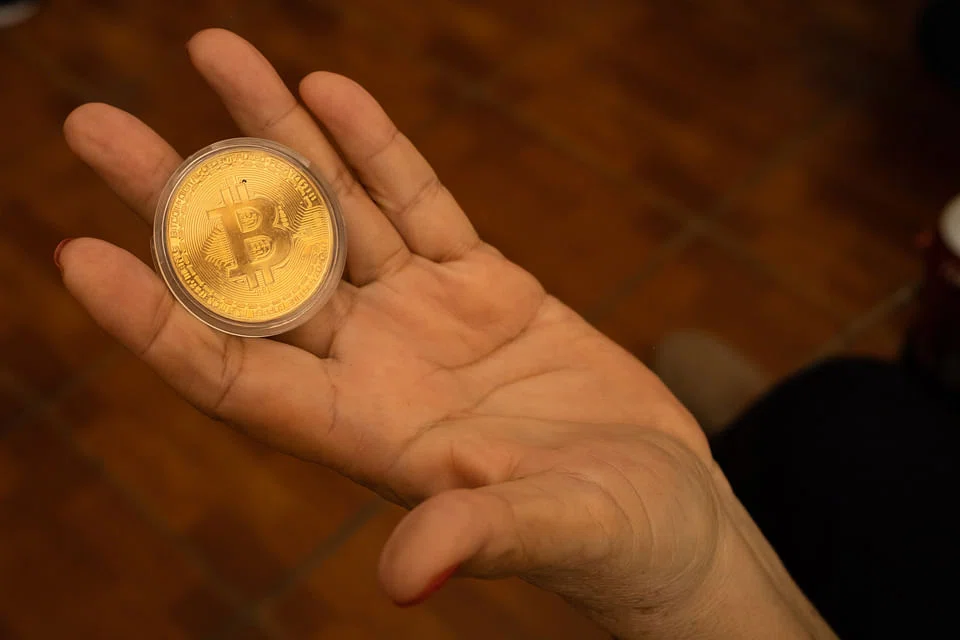
DeeperDive is a beta AI feature. Refer to full articles for the facts.
Washington
BANKS looking to expand into the wild world of crypto got a pointed reminder from regulators this month of the risks involved.
The Basel Committee on Banking Supervision said on June 10 that it is planning to assign Bitcoin, among other crypto products, the toughest capital requirements for any bank that wants to hold it. The standard setters said that the risks to financial stability would be significant if banks do expand their offerings in the volatile market.
That warning comes with clients showing increasing interest in the assets, leaving firms like JPMorgan Chase, Goldman Sachs Group and Morgan Stanley to wrestle with how best to offer exposure to the burgeoning, and volatile, asset class.
This year has seen more and more lenders examining how they might broaden their offerings even as caution remains the watchword, according to a Bloomberg analysis of the offerings from some of the world's biggest banks. While several now clear crypto futures, most have largely steered clear of other services.
Goldman's chief executive officer David Solomon said in Congressional testimony earlier this month that the bank is restricted by regulations from acting as a principal trader in cryptocurrencies or from owning most coins.
Navigate Asia in
a new global order
Get the insights delivered to your inbox.
"We do clear Bitcoin futures," he said. "We provide advice to clients, particularly institutions, and high net worth individuals that have an interest in gaining exposure, although often they go to other places to gain those exposures."
Linking up with other providers may become the norm.
JPMorgan's crypto strategy depends on following customer demand, according to Daniel Pinto, who heads up the lender's corporate and investment bank. That may mean partnering with an exchange like Coinbase Global for sub-custody if institutional clients want that, Mr Pinto said in April during an interview with Bloomberg News.
Such exposure isn't for the faint-hearted. Bitcoin jumped from about US$10,000 last September to nearly US$65,000 in mid-April. Prices collapsed in May, falling back to the mid-US$30,000s, on the back of tougher regulatory scrutiny in China and Elon Musk's criticism of Bitcoin's high energy cost.
The banks have been quicker to embrace the underlying technology that underpins such digital assets.
JPMorgan has been a longtime proponent of Ethereum, the world's most-used blockchain that uses smart contracts to accomplish blockchain-based tasks that are impossible with Bitcoin.
In one example, JPMorgan is using its private version of Ethereum to conduct overnight repurchase agreements where digitised US Treasury bonds are swapped for JPM Coin, the bank's version of a digital dollar. It says that it is doing more than US$1 billion of such trades a day.
There's still no consensus on the best way to offer exposure to crypto assets themselves. JPMorgan's Jamie Dimon said at this month's congressional hearing that his bank doesn't tell its customers what to do with their money, but he emphasised the importance of caution.
"We want to set it up in a way we think it's safe and proper for them," he said. "We're still working on that." BLOOMBERG
Decoding Asia newsletter: your guide to navigating Asia in a new global order. Sign up here to get Decoding Asia newsletter. Delivered to your inbox. Free.
Share with us your feedback on BT's products and services
TRENDING NOW

Ministry of Home Affairs Permanent Secretary Pang Kin Keong to retire

Shelving S$5 billion office redevelopment plan proved ‘wise’ as geopolitical risks mount: OCBC chairman

Richard Eu on how core values, customers keep Singapore’s TCM chain Eu Yan Sang relevant

China pips the US if Asean is forced to choose, but analysts warn against reading it like a sports result

