

Banks' misconduct costs a major risk for shareholders
As at end-2013, 10 banks had incurred total costs - including fines, settlements and provisions - of £157.4b
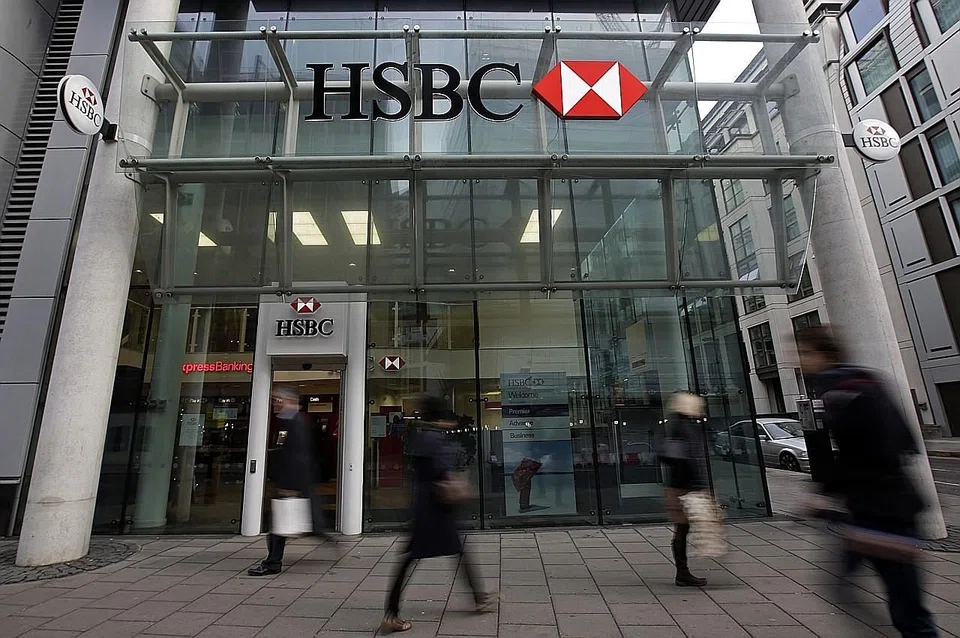
London
MULTIBILLION-DOLLAR US, European and Asian regulatory fines, settlements and civil litigation over alleged misconduct have become a major risk for bank shareholders.
Banks that hit the headlines this week were HSBC and JP Morgan following numerous other examples in the past few months. JP Morgan Chase disclosed the US Justice Department is conducting a criminal investigation of its foreign-exchange dealings while other regulators are running civil investigations.
It added that possible losses from all its legal proceedings could total US$5.9 billion. In a filing with the Securities and Exchange Commission, JP Morgan said that it was cooperating with the authorities, and currently engaged in discussions aimed at "resolving their respective investigations". But, the firm added, "there is no assurance that such discussions will result in settlements".
As well as the criminal investigation, JP Morgan revealed that it also faces civil investigations by the Commodity Futures Trading Commission, the UK's Financial Conduct Authority and "other foreign government authorities". Last year, JP Morgan Chase agreed to a record US$13 billion settlement with the US authorities for allegedly misleading investors during the housing crisis.
HSBC has provided for more than US$1.6 billion to cover the cost of US$378 million foreign exchange-related matters and other legal settlements and customer compensation.
The provision, which may well be inadequate, analysts warn, dented third-quarter profits and cut the bank's return on equity to only 9.5 per cent, well below its 2016 target of 12-15 per cent.
HSBC's total provision in legal charges in the third quarter included US$701 million for UK customer compensation (of which US$589 million was for payment protection insurance) and US$550 million for an agreement with the Federal Housing Finance Authority in the United States.
The bank also warned about potentially "significant" fines and penalties as a result of an ongoing investigation by French magistrates into whether its Swiss private bank had "acted appropriately in relation to certain customers who had French tax reporting requirements".
The bank had been summoned to appear before French magistrates for "possible commencement of a criminal investigation". Stuart Gulliver, HSBC chief executive, said the continued cost of fines, customer redress and the growing legal and compliance burden which now applies to all international banks would remain "elevated" for the foreseeable future.
In a conference call with analysts and the press, he revealed that the bank had recently hired 1,400 extra risk and compliance staff, raising the total to 6,600 compared with 2,000 in September 2013.
The foreign-exchange provision raises the total value of litigation and conduct provisions for currency trading by UK banks HSBC, Royal Bank of Scotland (RBS) and Barclays Bank to more than US$1.6 billion. Besides JPMorgan Chase, Citigroup and UBS have also provided for alleged misconduct regulatory costs.
Roger McCormick, a law professor at London School of Economics and Political Science, who heads a team of researchers who are tracking the provisions and penalties imposed on banks, says that a new review to be published later this month will include 20 banks compared with last year's 10.
As at the end of 2013, 10 banks, notably Bank of America (BOA), JP Morgan, Lloyds, RBS, Barclays, Citigroup, HSBC, UBS, Goldman Sachs and Santander had incurred total conduct costs of £99.5 billion (S$205 billion). Including provisions, the grand total was £157.4 billion. These conduct costs relate to misdemeanours such as money laundering, Libor rate rigging, sanctions busting and misselling sub-prime mortgages and bonds. By the end of 2013, BOA's conduct costs totalled £66.4 billion, JP Morgan's £35.8 billion, Lloyds' US20 billion, RBS's US$13.6 billion, Barclays' US$12.6 billion, Citigroup' US$12 billion and HSBC's US$11.5 billion.
Further fines, settlements and provisions this year could raise the total to over US$300 billion and with a further 10 banks on the list, potentially a lot more. US regulators, for example, imposed a US$9 billion fine on BNP Paribas for sanctions busting and hefty penalties for Standard Chartered.
Prof McCormick has found the results so startling that he has built up the conduct costs project into the independent CCP Research Foundation. As the regulatory fines and other costs mount, the prospect of potential civil class actions by disenchanted customers and shareholders could well loom.
The big question is why the companies and hence shareholders have had to bear the burden of miscreant banks, while directors avoid prosecution and civil legal action and continue to rake off far above average salaries and bonuses.
TRENDING NOW

‘We don’t want to stay as we are’: CEO Patrick Ng builds a more resilient Huationg

URA to review guidelines on floor space to give developers more design flexibility: Chee Hong Tat

He built the Vingroup empire. Now South-east Asia’s richest man is handing some key roles to his sons
32 companies, 6 individuals bag accolades at Singapore Corporate Awards 2026

