

Battered euro hits lowest since 2016 vs sterling, oil surge bites
 Add BT as a preferred source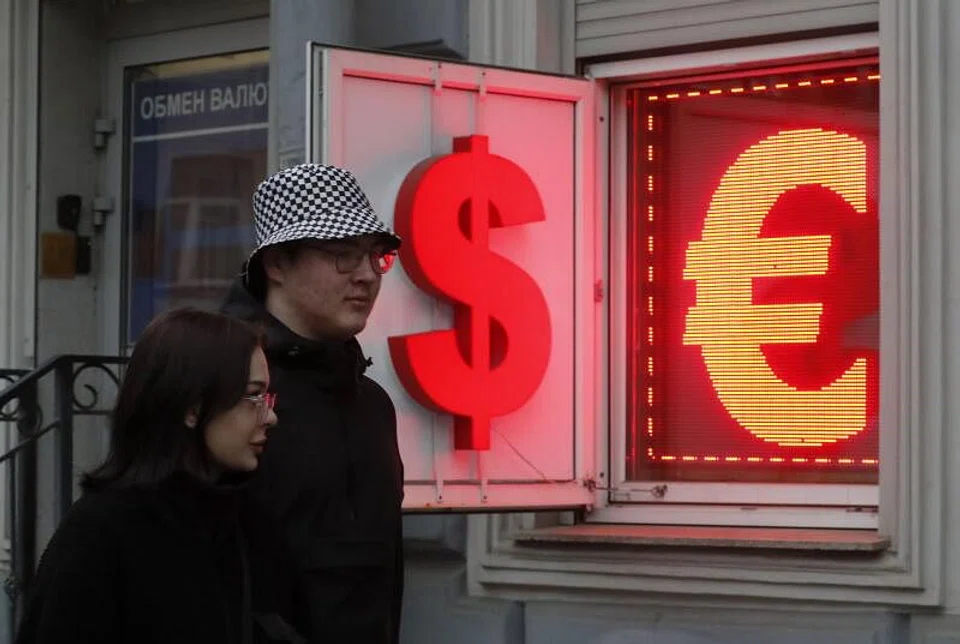
DeeperDive is a beta AI feature. Refer to full articles for the facts.
[LONDON] The euro slid to its lowest level in almost 6 years against Britain's pound and was pinned near 21-month lows versus the US dollar on Thursday (Mar 3), as a fresh surge in energy prices heightened worries about the euro area economic outlook.
With Brent crude hitting a 9-year high above US$119 per barrel, a dash for resources bolstered commodity-linked currencies. Australia's dollar briefly touched its highest since November.
But it was the euro that took the spotlight as it fell to 82.76 pence (S$1.51) in London trade. That was the lowest level against sterling since July 2016.
The single currency was down 0.3 per cent at US$1.1086, holding near Wednesday's low of US$1.1058, its lowest since May 2020. It is down 1.6 per cent so far this week and is heading for a fourth consecutive weekly loss against the US dollar.
"It's still going down," said Kit Juckes, chief global currency strategist at Societe Generale in London, referring to the euro. "Look at gas prices. This is the clinch point in terms of the economic impact of the war, and it is going to hurt."
Eurozone inflation hit a record high of 5.8 per cent last month, data on Wednesday showed. The problem for the European Central Bank (ECB), which meets next week, is that while the war in Ukraine is likely to boost inflation further, it is a negative for both growth and inflation in the longer term.
Navigate Asia in
a new global order
Get the insights delivered to your inbox.
The Australian dollar rose to its highest since mid-November at US$0.7323 as prices for Australian exports such as coal, gas and grains soar on signs that sanctions against Russia are severely disrupting global supplies.
But it drifted lower as the session wore on and was last at US$0.7298, just marginally higher on the day.
"Soaring commodity prices means commodity-focused currencies not directly linked to the escalating geopolitical tensions like the Aussie and the Kiwi are doing well," said Aaron Hurd, senior portfolio manager for currency, at State Street Global Advisors.
The US dollar appeared well-supported after Federal Reserve chair Jerome Powell said on Wednesday the central bank would begin "carefully" raising interest rates this month, but was ready to move more aggressively if needed.
The US dollar index was up 0.2 per cent and the greenback itself was 0.2 per cent firmer at 115.74 yen, while sterling slipped 0.3 per cent to US$1.3364.
Canada's dollar, meanwhile touched a five-week high of C$1.25870 per US dollar, a day after the Bank of Canada's first interest rate hike since 2018.
Elsewhere, the Russian rouble slid to a fresh record low at around 118.35 in Moscow trade after ratings agencies Fitch and Moody's downgraded Russia to "junk" status, citing the impact of Western sanctions.
Hungary's forint was weaker but holding below Wednesday's record lows against the euro as the country's central bank raised its one-week deposit rate by 75 basis points to 5.35 per cent at a weekly tender on Thursday. That was the biggest rate hike since 2008 as the war in Ukraine roiled Hungarian markets.
Bitcoin edged down around 1 per cent at US$43,466 as an early-week bounce lost steam. REUTERS
Decoding Asia newsletter: your guide to navigating Asia in a new global order. Sign up here to get Decoding Asia newsletter. Delivered to your inbox. Free.
Share with us your feedback on BT's products and services
TRENDING NOW

Autobahn Rent A Car directors declared bankrupt over S$50 million each owed to DBS

Higher costs, lower returns: Why are Singaporeans still betting on real estate?

Richard Eu on how core values, customers keep Singapore’s TCM chain Eu Yan Sang relevant

Loyang Valley sold for S$880 million to SingHaiyi-led consortium

