

Bill Ackman's Pershing Square takes off Covid-19 hedges
 Add BT as a preferred source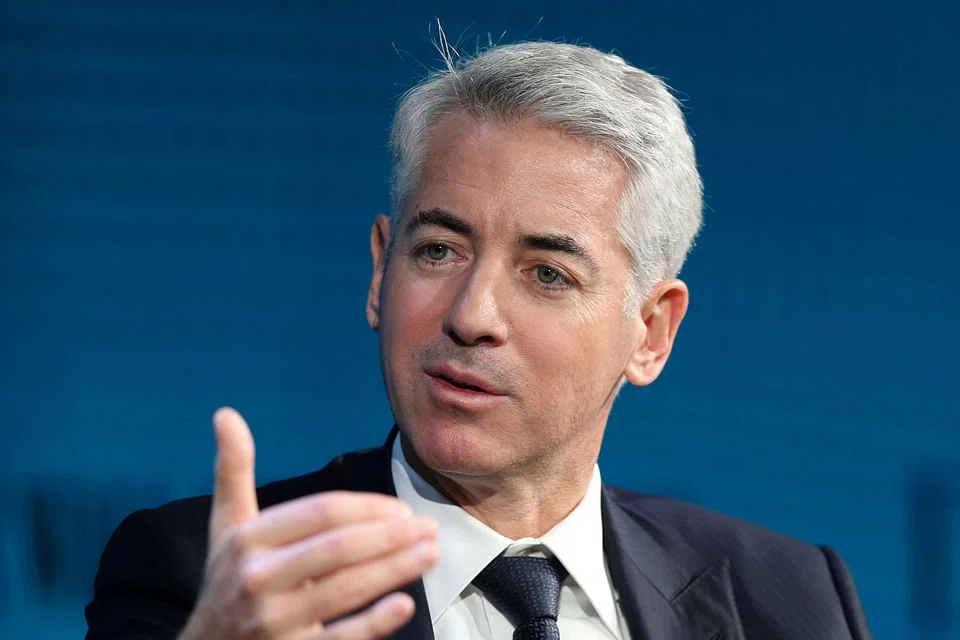
London
VETERAN investor Bill Ackman said he has taken off credit market hedges and reinvested the money into new and existing stock holdings after turning "increasingly positive" on stock and credit markets.
Mr Ackman, who oversees Pershing Square Capital Management, initially took out the hedges - credit protection on investment grade and high-yield credit indices - at the start of March as panic caused by the novel coronavirus began cratering markets globally.
In a letter to investors filed by his listed fund, Pershing Square Holdings, on Wednesday, he said subsequent market falls combined with steps taken by US state governments to limit the spread of the disease and federal and Treasury monetary support, had made him more positive on the outlook.
In anticipation of a US$2 trillion economic rescue package - signed by US lawmakers overnight - Wall Street snapped back from three-year lows on Tuesday to post its biggest one-day gain since 1933.
"We became increasingly positive on equity and credit markets last week, and began the process of unwinding our hedges and redeploying our capital in companies we love at bargain prices that are built to withstand this crisis, and which we believe will flourish long term," Mr Ackman said.
He said Pershing Square completed its exit from the hedges on March 23, generating proceeds of US$2.6 billion, and had reinvested most of the money in existing holdings Agilent, Berkshire Hathaway, Hilton, Restaurant Brands and Lowe's.
The fund also bought into several new holdings, including Starbucks, which it had previously exited in January. After the investments, the fund had maintained a cash position of about 17 per cent of portfolio, he added.
However, in a note of caution, he said he expected markets and the firm's performance to remain volatile, throwing up opportunities that could lead them to sell out of recently bought holdings or even go back on the defensive.
He added: "We may also choose to reestablish similar or different forms of hedges or raise more cash based on developments with the coronavirus and other market factors. In other words, we are more likely to have higher portfolio turnover in this environment." REUTERS
Decoding Asia newsletter: your guide to navigating Asia in a new global order. Sign up here to get Decoding Asia newsletter. Delivered to your inbox. Free.
Share with us your feedback on BT's products and services
TRENDING NOW

When every phone becomes a satellite phone, what happens to Asia’s telcos?
Lily Ler to step down as CEO of Mapletree Industrial Trust manager

Jardine C&C selling Singapore, Malaysia dealerships to Indonesia’s Chandra Asri for US$221 million gain
Digital Realty, STT GDC among data centre operators awarded 50 MW of new capacity in Singapore

