Bitcoin unlikely to replace money controlled by central banks: Norges Bank governor
 Add BT as a preferred source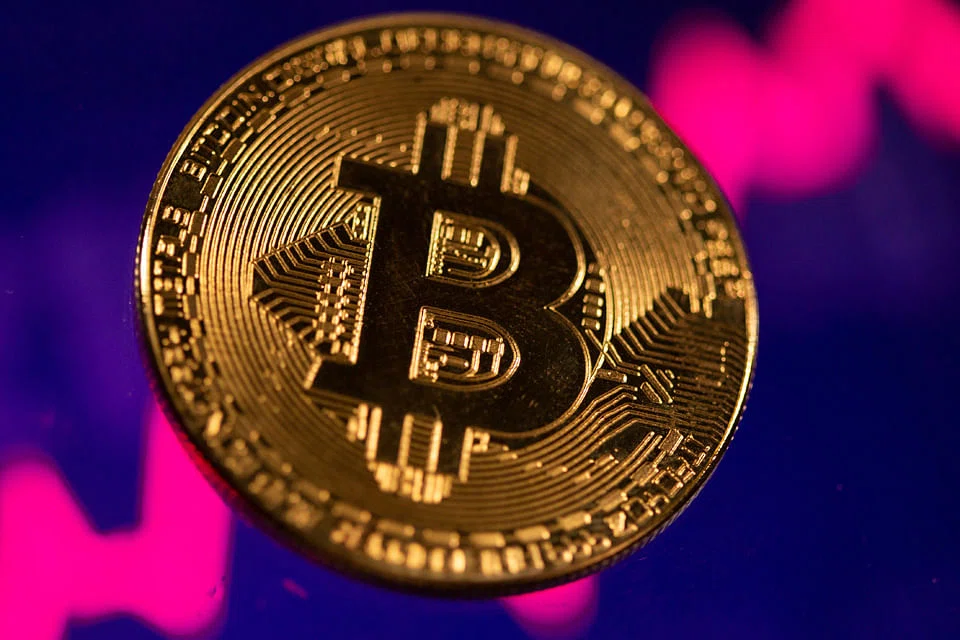
DeeperDive is a beta AI feature. Refer to full articles for the facts.
Oslo
NORWAY recently emerged as the world's most cashless society, but its central bank governor says people shouldn't start turning to Bitcoin as an alternative.
Oystein Olsen, the governor of Norges Bank in Oslo, says it's inconceivable that Bitcoin - the most popular cryptocurrency - will replace the money that's currently controlled by central banks.
Bitcoin is "far too resource-intensive, far too costly and most importantly, it doesn't preserve stability," Mr Olsen said. "I mean, the basic property and task for a central bank and central-bank currency is to provide stability in the value of money and in the system, and that is not done by Bitcoin."
Mr Olsen's dismissal of Bitcoin comes not long after one of Norway's most prominent businessmen, Kjell Inge Rokke, endorsed the cryptocurrency, arguing that it will ultimately be on the right side of monetary history. He even suggested a single Bitcoin might one day "be worth millions of dollars".
On Monday, one Bitcoin traded at around US$57,000, almost 900 per cent up from its value roughly a year ago.
Navigate Asia in
a new global order
Get the insights delivered to your inbox.
Meanwhile, central banks are racing to respond to widespread cashlessness by developing their own digital currencies before cryptocurrencies take over. Norges Bank deputy governor Ida Wolden Bache said last November that Norway has become the world's most cashless country, with only 4 per cent of all payments conducted with bank notes and coins. That has raised questions about how payments should be conducted in the future.
But Norway isn't one of the front-runners when it comes to developing central bank digital currencies. Instead, Sweden and China are the world leaders among major economies, as policymakers team up with technology experts to figure out how best to design something that central banks can control.
As for Bitcoin, which some central bankers have compared to the tulip bubble of the 17th century, Mr Olsen said: "I don't think at the end of the day it will be a threat to central banks. Although some people talk about that."
"Digital currencies more generally are the new wine, in many respects", he said, but now "central banks are entering the scene". BLOOMBERG
Decoding Asia newsletter: your guide to navigating Asia in a new global order. Sign up here to get Decoding Asia newsletter. Delivered to your inbox. Free.
Share with us your feedback on BT's products and services