Blackstone profit drops 12% on deal slump, shares tumble
 Add BT as a preferred source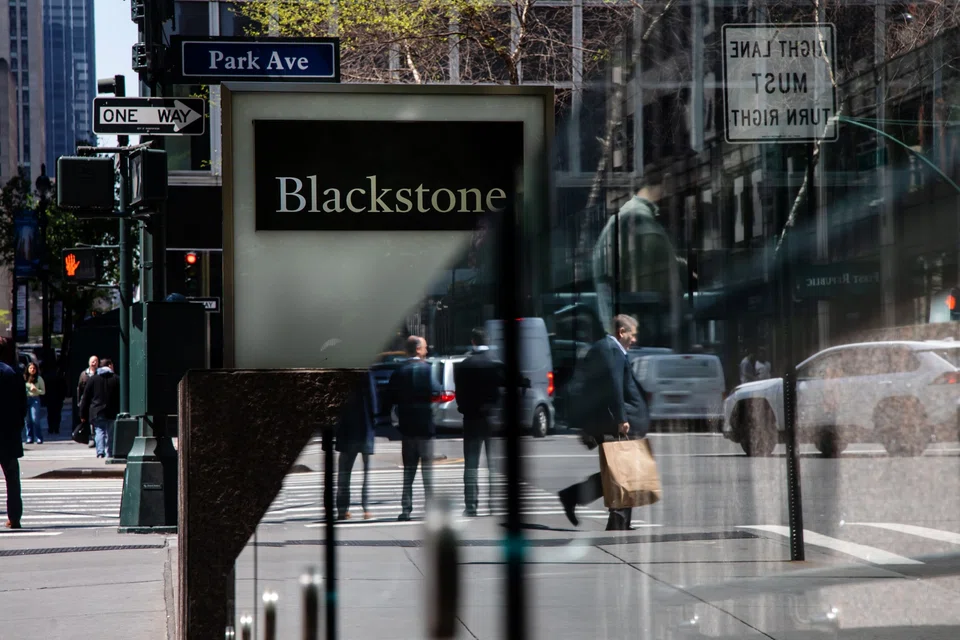
DeeperDive is a beta AI feature. Refer to full articles for the facts.
BLACKSTONE, grappling with higher interest rates and stung by a pullback in dealmaking, reported a 12 per cent decline in quarterly profit available to shareholders.
Distributable earnings for the third quarter totalled US$1.21 billion, or 94 US cents a share, missing the US$1.01 average estimate of analysts surveyed by Bloomberg. That was roughly in line with Blackstone’s second-quarter profit, which was the lowest in two years.
The private equity giant’s stock was among the worst performers on Thursday (Oct 19) in the S&P 500, tumbling 7.9 per cent to US$94.22, the biggest one-day drop since June of last year.
The firm, which oversees US$1.01 trillion, was the first major US alternative asset manager to report third-quarter results. The returns laid bare the consequences of the Federal Reserve’s campaign to hike interest rates in its battle against inflation.
Would-be buyers are hesitant to do deals as debt costs rise, and private equity firms are holding on to assets rather than selling them in a shaky market. Blackstone’s fee-related earnings fell 5 per cent as the company took in less from cashing out of deals. The amount of money it deployed for new deals dropped 60 per cent.
“There’s uncertainty around rates and inflation,” Blackstone president Jon Gray said. “All of that contributes to an environment of uncertainty, and that reduces transaction volume.”
Navigate Asia in
a new global order
Get the insights delivered to your inbox.
The war between Israel and Hamas has created more upheaval in markets already roiled by Russia’s invasion of Ukraine early last year, casting further doubt on whether private equity dealmaking will pick up after a dismal stretch.
Dry powder
As long as the conflict in the Middle East does not spread into a global war, rates will likely remain the biggest cause of uncertainty, said Gray, 53.
Market dislocations will create opportunities for Blackstone to put its US$200 billion of dry powder to work, he added.



US private equity dealmaking in the third quarter fell to its lowest point since 2020, according to PitchBook, a reversal of fortune for an industry that amassed vast wealth during a prolonged era of cheap debt and rapid growth. In the past week, Wall Street’s biggest banks collectively posted their seventh straight quarter of declining investment banking fees.
At Blackstone, fundraising – a major driver of future fees – ebbed. The firm took in net flows of US$16.2 billion in the three months through September, a drop of about 50 per cent from a year earlier. In the decade since the 2008 financial crisis, private equity firms benefited from investors’ hunger for better-performing alternatives to stocks and bonds. Now, higher rates are providing other ways to generate returns without needing to lock up money in illiquid assets.
Blackstone is both a buyout giant and the largest owner of commercial property, and rising rates pressured valuations of its opportunistic real estate. Holdings depreciated 2 per cent over the quarter.
A firm with large exposure to real estate and private equity “can’t continue to grow to the sky when markets are down and rates are up”, Evercore ISI analysts said in a note on Thursday.
At the same time, elevated rates did buoy Blackstone’s credit returns. That business added the most money, drawing from insurance clients and individual investors who also sought exposure to Blackstone’s giant credit fund.
In another bright spot, infrastructure investments appreciated by 11 per cent after one key holding – data centre operator QTS – rallied.
Blackstone told analysts on Thursday that it’s launching a fund designed to provide private equity to individuals. The firm delayed the rollout of the fund, called BXPE, earlier this year.
Some bank channels, financial advisers, regulators and the public have taken a harder look at funds for individual investors that make complex and hard-to-sell bets after Blackstone’s behemoth real estate investment trust and others limited withdrawals in late 2022.
The firm said it expects inflows from the new private equity fund early next year. BLOOMBERG
Decoding Asia newsletter: your guide to navigating Asia in a new global order. Sign up here to get Decoding Asia newsletter. Delivered to your inbox. Free.
Share with us your feedback on BT's products and services