BOE says UK’s biggest banks are no longer too big to fail
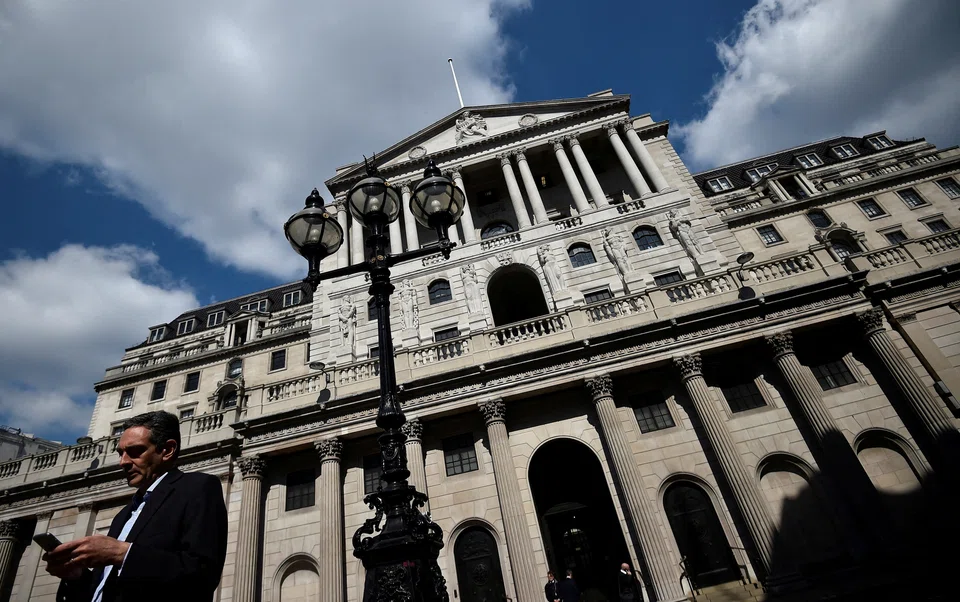
THE Bank of England has concluded that emergency planning at the UK’s biggest banks means none should require a public bailout in the event of a crisis.
The central bank’s long-awaited response to the self-assessments of 8 lenders, including HSBC and Barclays, found that the systems they have in place for critical functions should avert the kind of state intervention needed in the 2008 global financial crisis. That resulted in taxpayer paying billions of pounds to support lenders including the Royal Bank of Scotland and shore up the financial system.
The resolution regime “successfully reduces risks to depositors and the financial system and better protects the UK’s public funds”, said Dave Ramsden, deputy governor for markets and banking at the BOE.
This is the first time the so-called resolvability assessment has been published. The Bank of England ordered lenders to examine themselves in 2019 but the initial publication deadline was delayed following the outbreak of Covid.
Each bank must produce a report showing how vital services such as lending and deposit-taking could continue, were the firm to fail. The resolution rules are designed to give authorities or new management the time they need to restructure the firm or wind it down. BLOOMBERG
Decoding Asia newsletter: your guide to navigating Asia in a new global order. Sign up here to get Decoding Asia newsletter. Delivered to your inbox. Free.
Share with us your feedback on BT's products and services