BOJ flags upside price risks and possible faster interest rate hikes
At its meeting last month, the Japanese central bank held its policy rate at 1% and signalled that it could possibly raise it in September
 Add BT as a preferred source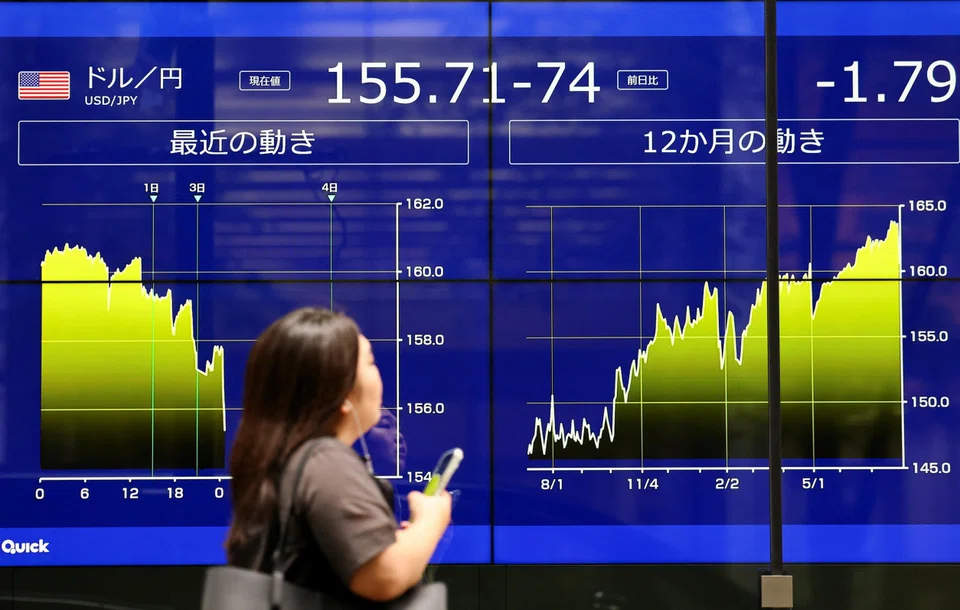
[TOKYO] The Bank of Japan (BOJ) flagged rising risks of inflation heating up in a summary of opinions from its July meeting, with one board member pointing to the possibility of an acceleration in the pace of interest rate hikes.
“Given that underlying CPI inflation has been approaching 2 per cent and greater consideration should be given to upside risks to prices than before, it could be considered that the pace of policy interest rate hikes will be faster than market expectations,” one of the nine board members said, according to a summary from the Jul 30-31 meeting released on Monday (Aug 10).
One member called on the BOJ to demonstrate its determination to prevent upward inflation deviations, potentially with larger rate hikes, as central bankers across the world enter a phase of rate hikes.
The BOJ “needs to adopt a nimble approach in response to factors such as changes in overseas financial conditions and to discuss the size of a rate hike, rather than adhering to a certain pace of rate hikes”, the member said.
The summary doesn’t disclose who said what at the gathering.
At the meeting, the BOJ held its policy rate at 1 per cent and signalled that it could possibly raise the rate in September, saying it’s closely watching the impact of the weak yen on prices and growth. The relatively hawkish comments in the summary from the meeting point to growing momentum toward a near-term rate hike.
The yen was largely unmoved against the US dollar right after the release of the summary, although it weakened a tad to around 158.05 against the greenback mid-morning in Tokyo. Investors are already pricing in a move well before the end of the year.
Overnight swaps show market players see a two-thirds chance of a move in September, while the possibility of a move by October is priced at 96 per cent.
Among the factors that have strengthened expectations of an early move by the central bank is ongoing weakness in the yen that can fuel inflation and efforts by authorities to prop it up.
SEE ALSO




Japan’s currency weakened to a 40-year low against the dollar last month, stoking concerns over import-driven inflation in Japan and risks to global financial market stability.
The bank’s stand-pat decision in July came right after Japanese authorities stepped into the foreign exchange market to support the yen. On the day after the decision, the US also entered the market alongside Japan to help the currency.
Only one of the nine board members, Hajime Takata, called for a back-to-back raise at the meeting, but governor Kazuo Ueda took a generally hawkish tone at his post-decision press briefing, emphasising that he sees greater upside risks to the price outlook.
As the BOJ considers the timing and pace of further rate hikes, it needs to carefully examine the impact of factors such as the Middle East situation, AI-related demand and developments in foreign exchange rates, one member said in the summary. “In doing so, the current phase calls for due attention to upside risks to the underlying trend in prices,” the member added.
One BOJ board member noted that even if the precise neutral interest rate can’t be determined, the BOJ needs to raise the policy interest rate as it remains below the lower bound of the broadly estimated range, “in order to set a foundation for the normalisation of monetary policy and to ensure the nimbleness of policy decisions.”
The neutral rate is the level of borrowing costs that nearly stimulates nor cools the economy. The BOJ has estimated that the neutral level is somewhere between 1.1 per cent and 2.5 per cent.
One board member said that the policy focus has shifted from “lifting underlying CPI inflation to 2 per cent” to “avoiding further upward deviation in underlying CPI inflation”.
The member added: “It cannot be said that ‘the risk of waiting is marginal, and it is therefore necessary for the Bank to accelerate the pace of adjustment to the degree of monetary accommodation.” BLOOMBERG
Decoding Asia newsletter: your guide to navigating Asia in a new global order. Sign up here to get Decoding Asia newsletter. Delivered to your inbox. Free.
Share with us your feedback on BT's products and services