

BOJ set to end Covid-relief scheme, but no change to loose policy
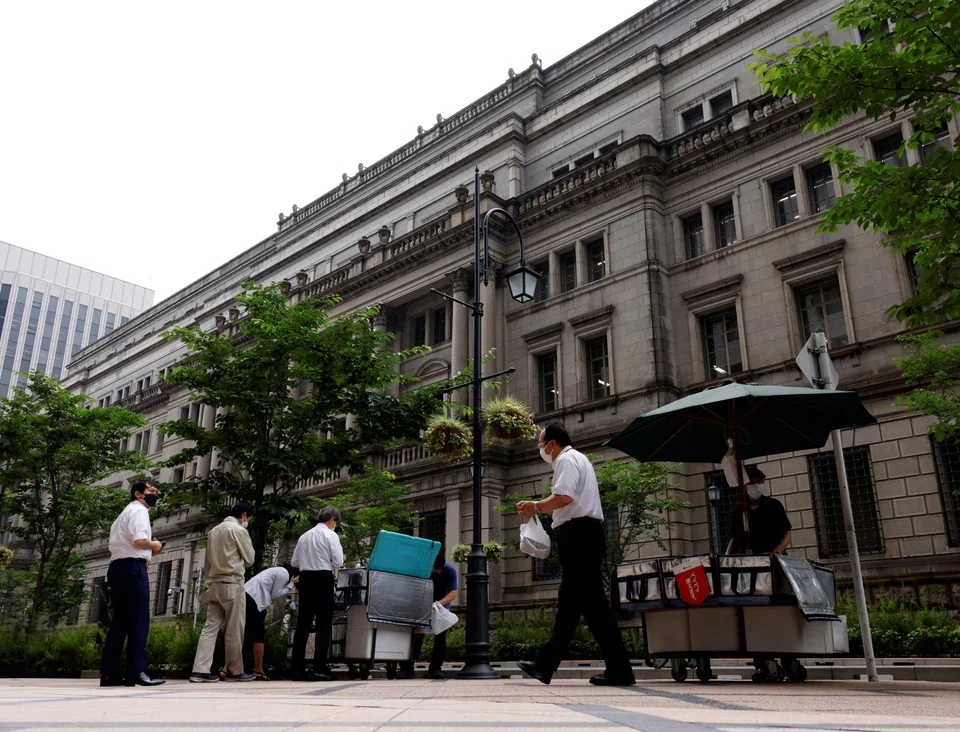
THE Bank of Japan (BOJ) is expected to end as scheduled a pandemic-relief funding scheme this month and discuss adjustments to a policy guidance that flags the Covid-19 pandemic as the top economic risk, 3 sources familiar with its thinking say.
A final decision will be made at the BOJ’s policy meeting on Sep 21-22, when the board will scrutinise data to ensure Japan’s persistently high coronavirus cases do not lead to a sharp drop in economic activity, the sources said.
Japan’s economy expanded an annualised 2.2 per cent in April-June, staging a slower-than-expected rebound from a Covid-induced slump as a resurgence in infections, supply constraints and rising raw material costs weigh on consumption and output.
The winding up of the scheme would reflect easing funding strains among small, service-sector firms that were hardest hit by the pandemic, as the lifting of Covid-related curbs including easing border controls help revive consumption.
“While some firms remain under stress, corporate funding has generally improved,” said one of the sources. “Conditions for ending the scheme is falling into place,” another source said.
At the policy meeting, the BOJ is widely expected to maintain its interest-rate targets at -0.1 per cent for short-term rates and around 0 per cent for the 10-year government bond yield.
The country’s fragile recovery has forced the BOJ to remain an outlier among a global wave of central banks tightening monetary policy to combat surging inflation.
The BOJ has already rolled back most emergency schemes to cushion the immediate hit from the Covid-19 crisis but kept intact the scheme targeting smaller firms until September.
An end to the scheme would symbolise how the BOJ is shifting away from crisis-mode policies, and turning its attention towards broader risks such as rising input costs and prospects of slowing global growth, analysts say.

With risks to the economy broadening, the BOJ may also change a portion of its policy guidance that pledges to “scrutinise the impact of the pandemic” and “strive to support corporate funding conditions”, the sources said.
But the BOJ is likely to leave unchanged more significant parts of the guidance that promises to ramp up stimulus as needed, and keep interest rates at “current or lower” levels, the sources said.
“The BOJ may see scope to discuss minor tweaks in the guidance,” a third source said. “But the key message likely won’t change, which is the need to keep policy ultra-loose.” REUTERS
Decoding Asia newsletter: your guide to navigating Asia in a new global order. Sign up here to get Decoding Asia newsletter. Delivered to your inbox. Free.
Share with us your feedback on BT's products and services
TRENDING NOW

Knight Frank’s Tan Tee Khoon leaves firm, Nicholas Keong takes over auction business
Keppel Energy, Sembcorp Utilities and Tuas Power to supply biomethane in pilot project

GovTech retrenches another 38 staff in second round of layoffs
Take-up of new private homes dives 45% in Q3 as prices accelerate with 1.4% rise

