BOJ summary suggests emerging urgency around timely rate hikes
A SUMMARY of opinions from the Bank of Japan’s (BOJ’s) January policy meeting indicated a growing awareness of the need to raise interest rates in a timely fashion as authorities monitor the impact of the weak yen on inflation.
“Given that addressing rising prices is an urgent priority in Japan, the bank should not take too much time examining the impact of raising the policy interest rate, and should proceed with the next step, a rate hike, without missing the appropriate timing,” one of the nine board members said, according to the summary from the two-day policy meeting that concluded on Jan 23.
The summary signals the possibility of Governor Kazuo Ueda’s board raising the benchmark rate at a faster pace than the market consensus estimate of roughly once in every six months following the last move in December. The yen appears to be a key factor, as the number of times the phrases “a weak yen” and “foreign exchange” appeared in the summary doubled compared with an account from the previous meeting.
“The depreciation of the yen and the rise in long-term interest rates largely reflect fundamentals, such as inflation expectations,” one member said. “In this situation, the only prescription from the monetary policy side is to raise the policy interest rate in a timely and appropriate manner.”
At the January meeting, the bank sent hawkish signals with more upgrades to inflation projections than economists expected and a surprise dissenting vote calling for a second straight rate hike. At his post-meeting press conference, Ueda noted the need for a closer look at the impact of the yen’s depreciation on underlying inflation.
BNP Paribas and SMBC Nikko Securities are among those that brought forward their projected timing for the next policy move to April after the January gathering. Even those maintaining their views on the next move coming in June or July are increasingly flagging the risk of the move coming sooner as the yen stays week.
The Japanese currency was traded at around 155.25 per US dollar mid-morning in Tokyo on Monday (Feb 2). It hit an 18-month low of 159.45 about a week before the BOJ’s more recent meeting, putting added pressure on the bank to avoid triggering further drop via overly cautious communications.
“If the yen depreciates further, it is possible that the rate of increase in the CPI (consumer price index) will decline at a slower pace and start to accelerate” one member said.
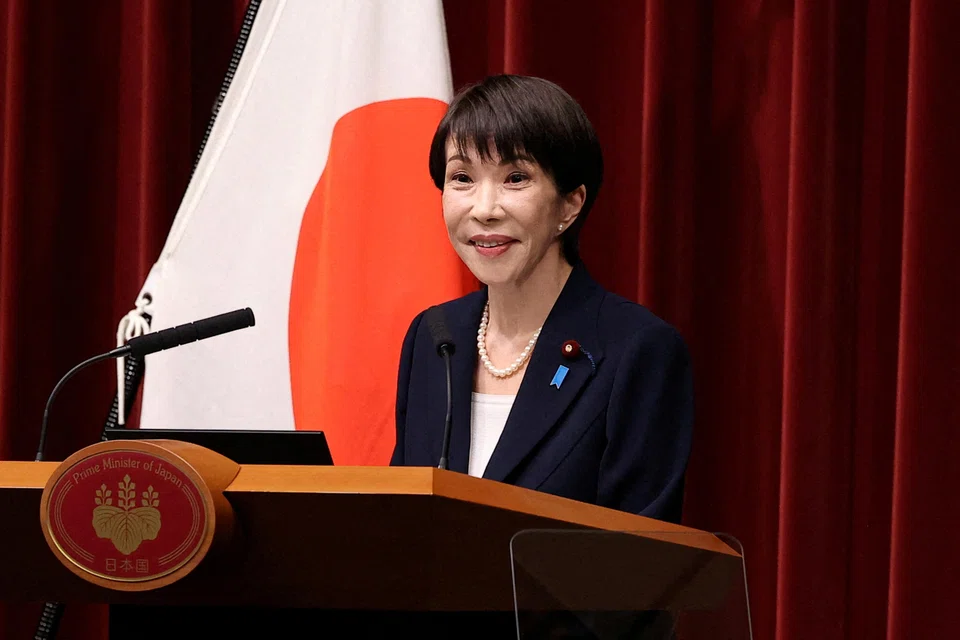
The board discussed the impact of Prime Minister Sanae Takaichi’s fiscal measures on inflation. Takaichi is holding a snap election for a lower house of parliament on Feb 8, with local media reporting her likely victory. Investors will wait to see how that result would affect the BOJ, as she is known as a monetary easing advocate.

At the latest BOJ gathering, a Cabinet Office representative hinted at the need for caution by saying that it’s “extremely important” that monetary policy be conducted as appropriate for achieving both strong economic growth and stable inflation.
A weak yen is likely to remain a primary factor for the BOJ and the government in support of the need for a rate hike. Takaichi is widely seen as having backed down from attempting to dissuage officials from hiking in December in light of the risk of the currency driving up inflation. Household discontent over soaring costs of living led to major setbacks for Takaichi’s ruling Liberal Democratic Party in two elections before she took the helm last October.
Japan’s key inflation gauge quickened to 3.1 per cent last year, staying above the BOJ’s 2 per cent target for a fourth straight year, the longest such streak since 1992.
“It cannot be said that the risk of the bank falling behind the curve has necessarily become more evident, but it is becoming even more important for the bank to conduct monetary policy carefully and in a timely manner,” one BOJ board member said. BLOOMBERG
Decoding Asia newsletter: your guide to navigating Asia in a new global order. Sign up here to get Decoding Asia newsletter. Delivered to your inbox. Free.
Share with us your feedback on BT's products and services