

Britain progresses towards cashlessness, but not everyone embraces it
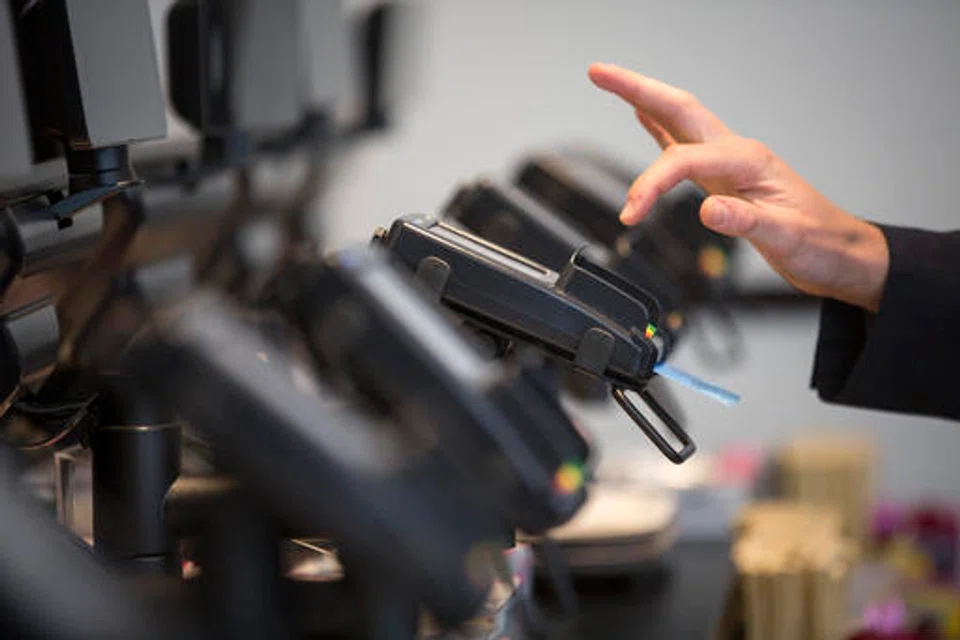
BRITAIN is taking the lead among major developed economies in moving away from cash in everyday payments, but more than two-thirds of people surveyed remain reluctant to go fully digital.
That’s the conclusion of a survey by YouGov for Bloomberg, which showed 57 per cent of people in the UK rarely or never use cash in transactions. Even so, more than two-thirds of Britons don’t want to lose access to cash altogether.
The results feed into a debate central banks are having about the forms of money consumers will use in the future, as more spending shifts online, credit and debit cards displace banknotes, and some businesses embrace crypto currencies as a payment method.
The figures also indicate a split developing in society, with some people embracing digital systems and others sticking with traditional forms of money. The Bank of England is working on a digital pound designed to reduce friction with online payments but is also determined to support those wanting to use cash.
The YouGov survey suggests that people are most reluctant to part with cash in Germany, France, the US and UK, where the currency is long-established and trusted. That’s a contrast with China, where 59 per cent of people said they’d be comfortable if the country stopped using cash.
Britain’s embrace of card payments trails China and the Nordic nations such as Sweden and Denmark, where more than two-thirds of people say they rarely or never use cash, but is ahead of France, Canada and the US, where those levels range between 41 per cent and 55 per cent. Germany and Spain ranked the highest among European countries for cash use, with 50 per cent and 49 per cent of citizens respectively reporting they pay with cash all or most of the time.


The UK also showed itself a laggard in cryptocurrency take-up, trailing France and Italy in the rankings. In Britain, 65 per cent of those surveyed said they had never bought crypto assets, nor knew anyone who had. Only 31 per cent of people in China said the same thing, suggesting that culture is more open to the idea of digital currencies.
It also suggests a split opening in society about how to handle money. While cryptocurrencies and online bank accounts have gained popularity in recent years, some younger people in the US have embraced “cash stuffing” – putting banknotes into envelopes to help budget.
The Bank of England last month reported a 17 per cent rise in cash in circulation since before the pandemic, indicating that more people are hoarding notes and coins as a way of storing value. That’s even though they use cash less in daily transactions. BLOOMBERG
Decoding Asia newsletter: your guide to navigating Asia in a new global order. Sign up here to get Decoding Asia newsletter. Delivered to your inbox. Free.
Share with us your feedback on BT's products and services
TRENDING NOW

Grab CEO’s wife Chloe Tong on life with Anthony Tan and finding her purpose

Income Insurance appoints former Manulife Singapore top man as new CEO

Incidence of civil servants buying property near unannounced MRT stations ‘a concern’, but may not establish misconduct: PSD

Three ex-employees of Envy group join Ng Yu Zhi in bankruptcy

