

Buy-and-hold strategy in Asian bonds creates resilience
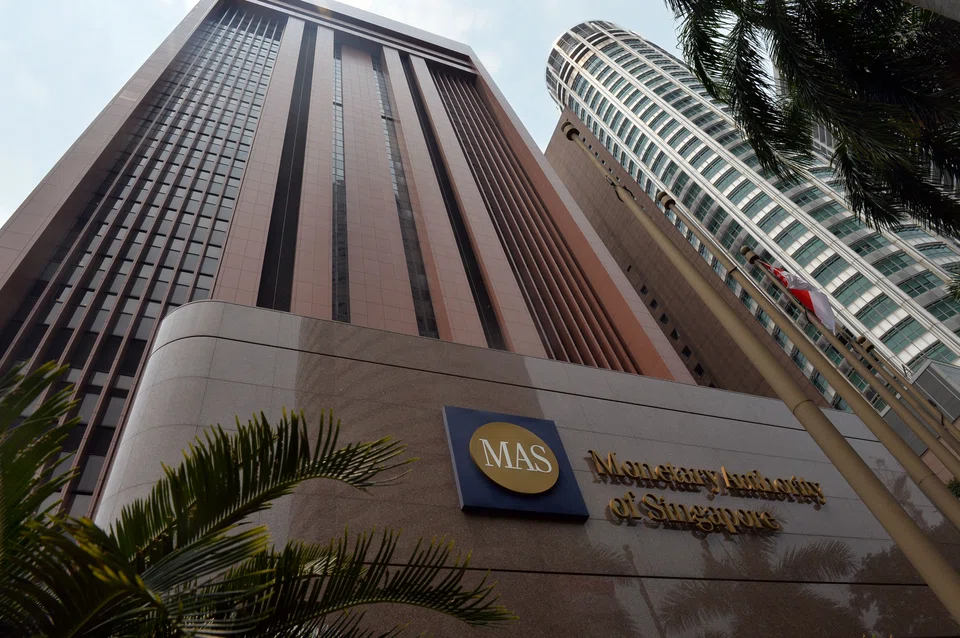
THE Asian bond market is likely to be more resilient than the global markets - despite it being less liquid - because bond investors in the region tend to buy bonds and hold them to maturity, the Monetary Authority of Singapore (MAS) said on Thursday.
The central bank's report comes after a puzzling "flash crash" in the bond market on Oct 15, when the yield on the benchmark 10-year US government bond dropped 33 basis points to 1.86 per cent in just about five minutes. That rare incident was expected to occur once every 1.6 billion years, said a Financial Times report.
"Policymakers and market participants are growing concerned that sudden redemptions from high-yield bond funds could trigger a larger sell-off in the illiquid and increasingly-crowded high-yield bond market," MAS said in its financial stability review.
If investment funds cannot liquidate their holdings in the illiquid high-yield bond market, they may be forced to sell more liquid assets such as government bonds to meet redemptions, it added.
This comes as Asian corporates are raising more debt through bonds. In Singapore alone, corporates issued US$19.7 billion worth of bonds in first three quarters this year - up 22.6 per cent from a year ago, Thomson Reuters data showed.
Still, Asian bond investors take a buy-and-hold strategy, said MAS. And this is likewise reflected in Singapore, said Clifford Lee, head of fixed income at DBS. "They are less likely to dump their bonds when there are market price swings that are not related to the issuers' credit," he told BT.
Also, the US corporate bond market has been less resilient to liquidity shocks, as the market has become bigger while trading volumes have fallen in the post-crisis period, MAS noted.
But the Asian corporate bond market is not safe from short-term volatility because it is still less developed.
"With Asian financial institutions stepping in to fill the liquidity gap left by the retreat of US and European banks, the ability of Asian corporate bond markets to cope with selling pressures could be enhanced," MAS said. "Nonetheless, it will take time for Asian FIs to scale up their expertise in proprietary trading and market making."
Amid this, the Singapore Exchange said this week that it will set up a bond trading platform by the middle of next year which will initially include Asian corporate bonds in G-3 currencies, followed by Asian currencies.
TRENDING NOW

Nvidia reinstates Jensen Huang as CEO; Trump says move poses no national security risk

Indonesia’s coal tycoon Low Tuck Kwong replaced as Bayan Resources president-director

Nvidia surges 33% after reinstating Jensen Huang, reviving AI trade; stocks soar in US and Europe

Consider lowering homeownership barriers for some non-resident foreigners

