

Buy now, pay later: just how risky is it for consumers?
Singapore
THERE has been much talk over the risk of buy now, pay later (BNPL) solutions on consumer debt, with such schemes appearing to prey mainly on credit-starved Gen Zs.
In Singapore, there are concerns that even the broader millennial segment (aged 25 to 40) with access to credit cards may fall into overspending traps laid by BNPL - essentially interest-free instalment plans for everyday items - and impede their longer-term financial goals.
An OCBC survey in 2020 found that 46 per cent of millennials were worried about not being able to keep up with their peers, versus 33 per cent among Gen Xs and 26 per cent among baby boomers. Nearly half of the millennials surveyed spend, to some extent or to a large extent, to keep up with their peers.
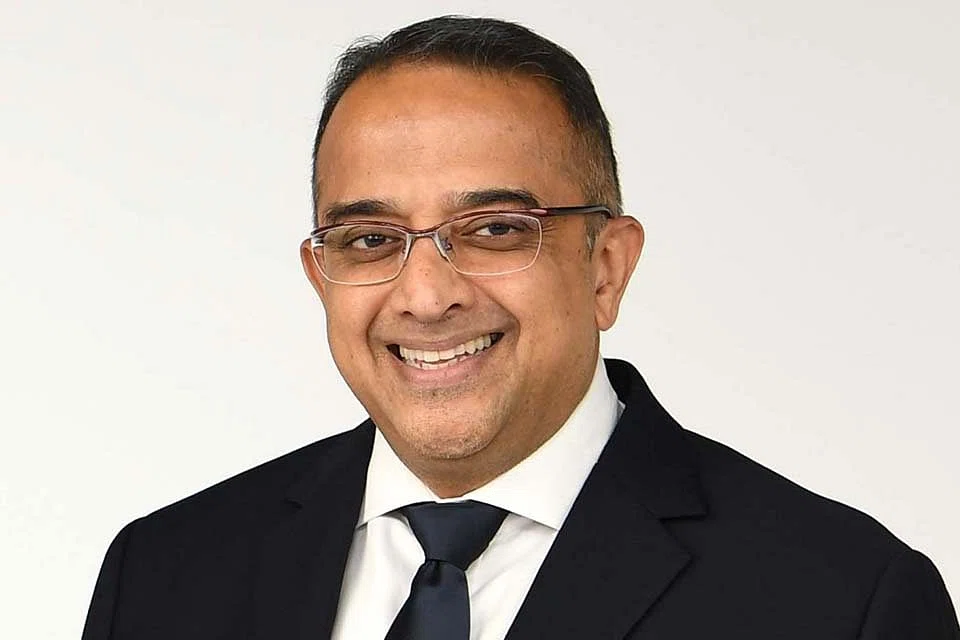
"Clearly, young people do face peer pressure and BNPL schemes play into their emotions and encourage them to spend more," says Vasu Menon, OCBC executive director of investment strategy.
Paying in instalments breaks the purchase price into smaller blocks, making it seem more affordable than using credit cards which charge interest for rollover credit, he adds. "There is a risk that BNPL may encourage overspending and lead to excessive debt that could set back the young from achieving their life goals."
It doesn't help that spending habits are worrisome; about 38 per cent of millennials surveyed said that they only pay the minimum sum for their credit card bill, while 15 per cent said they borrow money from friends and relatives.
BNPL has gained considerable traction in Singapore; almost a third of consumers aged 25 to 34 have used such a service, according to a report by Milieu Insight in July. This segment has four times more debt than savings, separate data from financial planning platform Autumn showed.
This is a stage where individuals could be buying their first home, getting married or starting a family. Such milestones typically require big-ticket purchases which may already stretch their credit card limit, and easy access to BNPL services could lead to impulsive purchases for short-term needs, Autumn chief executive Mike Kruger told BT.
BNPL firms typically run ads with strong emotional appeal and dangle additional discounts and cashback deals, amplifying further the risk of impulsive buys. They also charge consumers late fees for missing payments.
"The opportunity cost here is that our youths may end up with more discretionary spend which may otherwise be better put into smarter investments," says Mr Kruger.
To that end, the Monetary Authority of Singapore said in February that it would look into regulating BNPL players here, which could potentially rein in the way they advertise and introduce some form of credit checks.
There is also some keen attention paid to the sustainability of BNPL business models globally.
BNPL player Klarna, which commands a high valuation, reported that its operating losses in the second quarter jumped more than 10 times to 965 million Swedish kronor (S$150 million), compared with 89 million Swedish kronor in losses a year ago. Credit losses more than doubled as it expanded rapidly in new markets, including the US.
Still, this is not to say that all consumers should shun BNPL solutions. Certain segments such as gig workers with variable income may benefit from them as they may find it challenging to get a credit card.
BNPL offers users instant credit without affordability checks, compared to credit card issuance which requires bank underwriting assessments. Traditional credit cards also come with annual fees.
According to Milieu Insight, the primary draw factor of using BNPL services in Singapore is maximising rewards or cashback (67 per cent), followed by promotions (62 per cent).
While there are real risks of excessive spending, data gathered so far "doesn't show evidence of abuse or misuse of BNPL as a way to live beyond one's means", says Milieu chief operating officer Stephen Tracy.
About 48 per cent of BNPL users have an average basket size of S$100 or less, suggesting that most are not piling on substantial debt for now.
That said, by lowering the minimum transaction size to as low as say, S$50, users may still get a false sense of affordability with multiple small purchases compounded, Autumn's Mr Kruger warns.
Ultimately, BNPL is handy for those with the cash to make the full purchase but prefer to make that cash work harder instead of paying a lump-sum upfront, OCBC's Mr Menon notes.
"It would be a good way to earn interest on the cash you would have otherwise used to make an upfront purchase, by depositing the cash in a bank to earn interest. Avoid doing anything too risky with the cash earmarked for your purchase using BNPL, as it will still be needed to repay your debt over time."
Consumers must learn to prioritise between needs and wants, and learn to balance between accessibility, credit and accountability for their spending - admittedly easier said than done in an era of peer pressure and consumer capitalism.
Look before you leap
Before you click on the BNPL option at checkout, ask yourself:
- Is this a need or want? Will this purchase improve my life? Can it wait? Is there something else I could spend on? Making unnecessary and impulsive purchases can add to your debt burden and prevent you from attaining more important financial goals.
- How much do I already owe? If you have an existing pile of debt, why add to the burden with more non-essential purchases? Focus instead of reducing your expenses and debt.
- Do I face difficulty meeting my payments? Do I have an income high enough to pay off the instalments on time? What if I have some surprise costs this month? If you are struggling to meet your debt obligations, focus on managing that instead of adding to your woes.
- What's the catch? Does the BNPL plan come with hidden fees? Be clear on the service charges, late-payment penalties and refund terms and conditions.
- The Money Playbook is a personal finance column that discusses how to take charge of your financial well-being.






