

Catastrophe bonds raise Singapore's profile as hub for alternative risk

Singapore
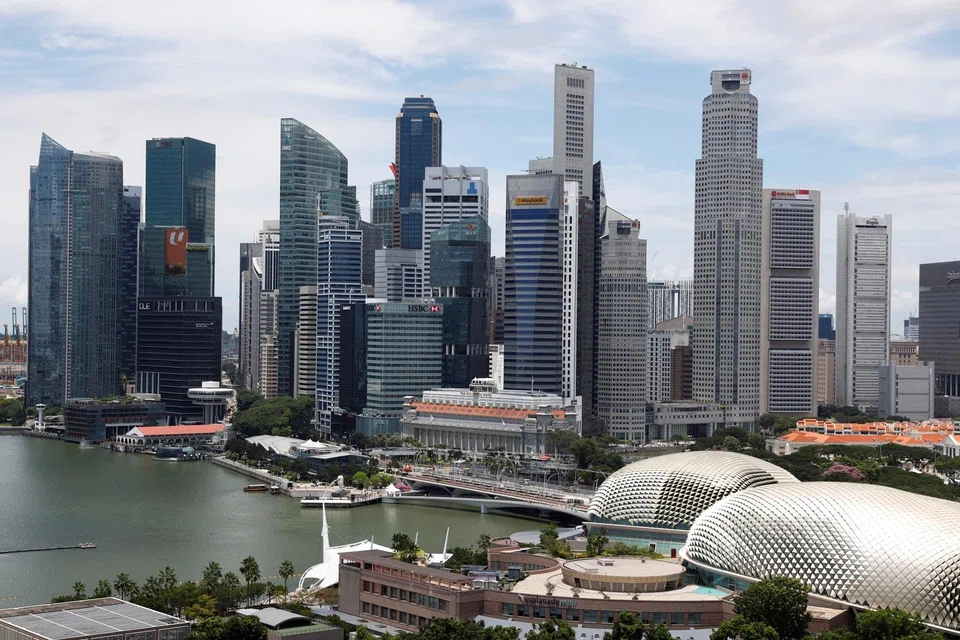
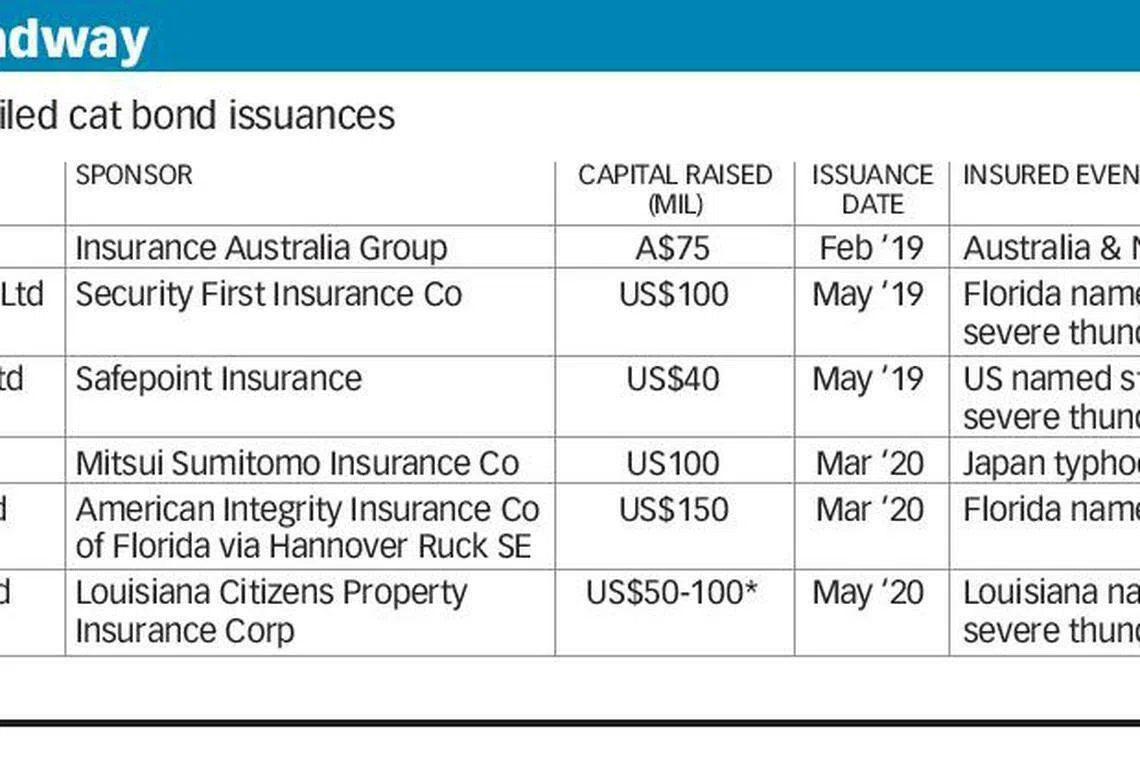
SINGAPORE'S efforts to develop into a global capital for alternative risk transfer are bearing fruit, particularly in the area of catastrophe bonds. Since 2019, six cat bond issuances worth a combined US$488 million in terms of capital raised are domiciled in Singapore.
Simon Goh, Rajah & Tann's head of insurance and reinsurance, has advised on all six issuances. He is optimistic about the growth prospects for such insurance-linked securities (ILS). Investor interest in alternative asset classes which are uncorrelated to traditional markets has grown, amid the market upheaval caused by the Covid-19 pandemic.
"There has been quite strong demand for alternative instruments. As we ended Q1 it's probably the best quarter for ILS for many, many quarters. Globally the ILS market is poised for further growth... We're in the midst of speaking to another broker-/dealer on another potential Asian sponsored cat bond,'' he says.
The sixth and latest cat bond issuance is by Catahoula Re Pte Ltd to cover Florida storms. This issuance is expected to close in May. The indicated size is US$50-100 million, depending on demand.
In 2018 the Monetary Authority of Singapore kicked off Singapore's efforts to become an ILS hub with the launch of a grant scheme to fund up to 100 per cent of ILS issuance costs. The scheme expires in December 2020, and is widely expected to be renewed.
ILS provide an avenue for insurers and reinsurers to transfer risk to capital markets. For investors, they provide diversification benefits and a way to earn an attractive yield. Cat bonds which insure against natural catastrophes such as typhoons and earthquakes comprise around a third of the market, and the balance comprises over-the-counter contracts linked to a wider range of speciality risks.
According to Artemis, there is around US$41.7 billion worth of outstanding cat bond and ILS-related issuances as at the first quarter this year. New issuance in the first quarter came to around US$5 billion. Artemis is a news and analysis site focused on alternative risk transfer.
Mr Goh says: "For ILS managers, it's business as usual. In fact business is good at the moment although we see volatility in the secondary market... If you take away the World Bank pandemic bond, demand for the others linked to natural catastrophes is fairly strong.''
In cat bonds, investors earn a coupon rate which may be quoted as a spread over Libor. If the catastrophe occurs, the bond defaults and investors lose their capital. The bonds are typically issued under the Rule 144A of the US Securities Act, which limits investors to qualified institutions. Typical investors include insurance and reinsurance companies, and ILS funds.
In the past several weeks, all eyes were on the World Bank's first-ever pandemic bond, issued in two tranches of notes and swaps in 2017. The escalation of the Covid-19 pandemic - coronavirus is among the bond's covered perils - had already caused investors to mark down the value of the bond in portfolios.
The bond's third party calculation agent AIR Worldwide on April 17 confirmed that the pandemic has met the last of several hurdles to trigger the bond and swaps. This means a total payout of more than US$195 million is to be released to the World Bank's Pandemic Emergency Financial Facility to help poorer countries respond to the outbreak. Investors in the riskier Class B notes and swaps have lost all their principal.
Still, the outlook for the ILS asset class is bright, even if it isn't completely shielded from the liquidity pressures which have roiled markets. Artemis reports that the first quarter issuance of ILS of a record US$5 billion was an increase of 82 per cent from the prior year period, and is 19 per cent higher than the previous Q1 record in 2018. Almost US$3.9 billion of new risk capital focused on catastrophe risk.
Meanwhile, climate change and the intensification of catastrophes such as storms and wildfires are expected to raise reinsurance rates, which impact cat bond pricing. Japan, for instance, was lashed by severe typhoons, Jebi in 2018 and Hagibis in 2019. Reinsurance rates were widely expected to rise by 40 to 50 per cent in the April renewal season.
As an example, the Akibare Re Pte Ltd issuance by Mitsui Sumitomo Insurance in Singapore in April 2020 for Japan and flood risk cover attracted US$100 million in capital. Its coupon rate of 2.75 per cent was at the higher end of initial indications, reflecting a higher risk premium. In comparison, Akibare Re's Series 2018 catastrophe bond's coupon was priced at 1.9 per cent.
Meanwhile, Mr Goh says Singapore has been "successful beyond initial expectations'' in attracting ILS issuances. However, he believes Singapore needs to grow its ecosystem of service providers to encourage yet more issuers. "There are very few local service providers familiar with this asset class. Most expertise resides in the US and Japan. It's a chicken and egg (situation). Without deal flow, people won't set up here. We need more incentives beyond the grant scheme, perhaps ... to encourage service providers to put people here and have boots on the ground.''
While there are qualified institutions here that could invest in cat bonds, the marketing of such bonds is not done in Singapore. This is because the bonds are likely to fall under the purview of the Securities and Futures Act, and anyone dealing with the bonds should have a capital markets services licence. So as not to breach the SFA, Mr Goh works with arrangers who do not market the cat bonds to investors in Singapore, even though the bonds are issued from Singapore-based special purpose reinsurance vehicles.
"No investor roadshows have taken place in Singapore, which is a pity as that would help generate awareness in the Singapore market and help educate potential investors on this alternative asset class.''
He says one solution may be to encourage overseas-based arrangers with specialist knowledge of ILS to set up an office in Singapore and secure a CMS licence. "This will probably mean refining any existing incentives that the MAS has for such service providers ... for example, subsidising the operating costs, salaries and other overheads for a defined period, as it appears to me that what is currently available is insufficient given the nascent state of the ILS market in Singapore.''
TRENDING NOW
One-third of Singapore-listed firms at risk in severe AI downturn: MAS
‘We don’t want to stay as we are’: CEO Patrick Ng builds a more resilient Huationg

He built the Vingroup empire. Now South-east Asia’s richest man is handing some key roles to his sons

Radiant World table shows six lenders with US$870 million exposure

