

China Postal Savings Bank US$8.1b IPO mostly covered by cornerstone investors
 Add BT as a preferred source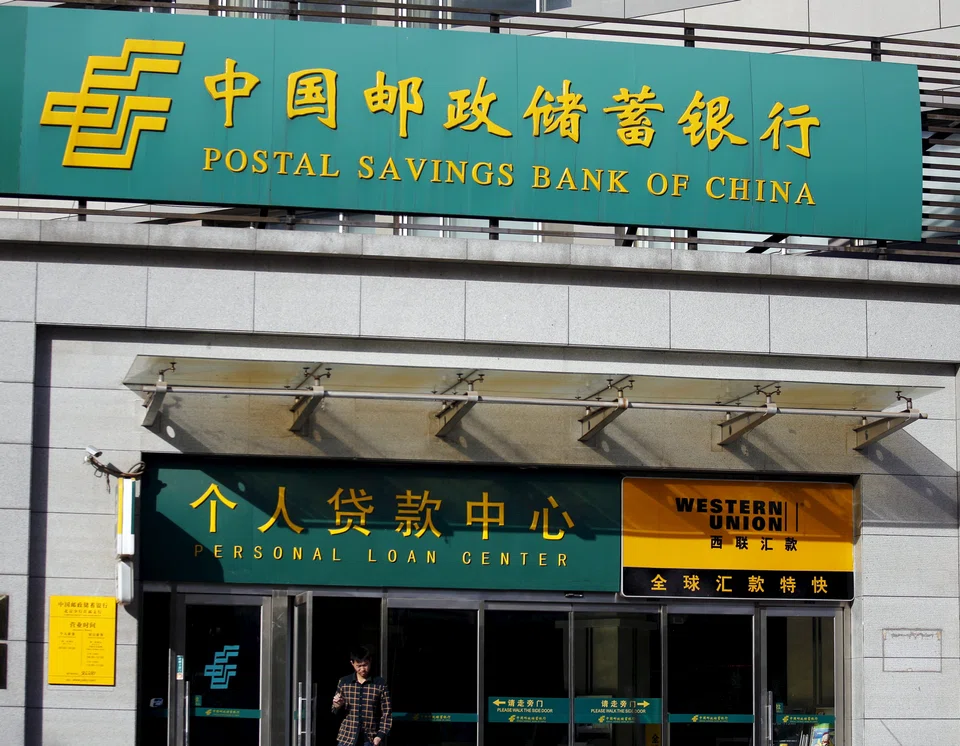
DeeperDive is a beta AI feature. Refer to full articles for the facts.
[HONG KONG] State-owned Postal Savings Bank of China (PSBC) on Tuesday launched an initial public offering in Hong Kong worth up to US$8.1 billion, with the vast majority of the deal covered by cornerstone investors.
The group of six cornerstone investors will buy as much as US$5.86 billion worth of stock on offer, or about 72 per cent of the IPO, underscoring tepid demand for Hong Kong offerings from retail investors and fund managers in the city.
That would put it near the record 77 per cent cornerstone tranche for the US$810 million listing of China Development Bank Financial Leasing Co Ltd in July.
Large investments by cornerstone investors hurt liquidity for IPOs once the shares start trading, as the stock is locked up for a minimum of six months. The cornerstone money can also pressure the stock as the expiration of the lock-up period nears.
PSBC, China's largest bank by number of branches, is offering 12.1 billion new shares in an indicative range of HK$4.68 to HK$5.18 each, according to a term sheet seen by Reuters.
The two largest cornerstone investors, CSIC Investment One Limited and Shanghai International Port Group, agreed to invest US$2.2 billion and US$2.1 billion respectively. Victory Global Group, a unit of aviation conglomerate HNA Group, will buy US$1 billion of shares, while other cornerstone investors will buy smaller stakes.
Navigate Asia in
a new global order
Get the insights delivered to your inbox.
PSBC did not immediately reply to a Reuters request for comment on the IPO terms.
The IPO is slated to be priced on Sept 20, with its debut on the Hong Kong stock exchange set for Sept 28.
REUTERS
Share with us your feedback on BT's products and services
TRENDING NOW

Autobahn Rent A Car directors declared bankrupt over S$50 million each owed to DBS

Amazon’s MGM Studios gains creative control over ‘James Bond’ franchise

UOB’s Wee Ee Cheong says S$4.9 billion Citi deal ‘paying off’ as Asean push accelerates
In taxing wealth, how far can Singapore push property owners?

