

China raises pressure on banks to help struggling developers
 Add BT as a preferred source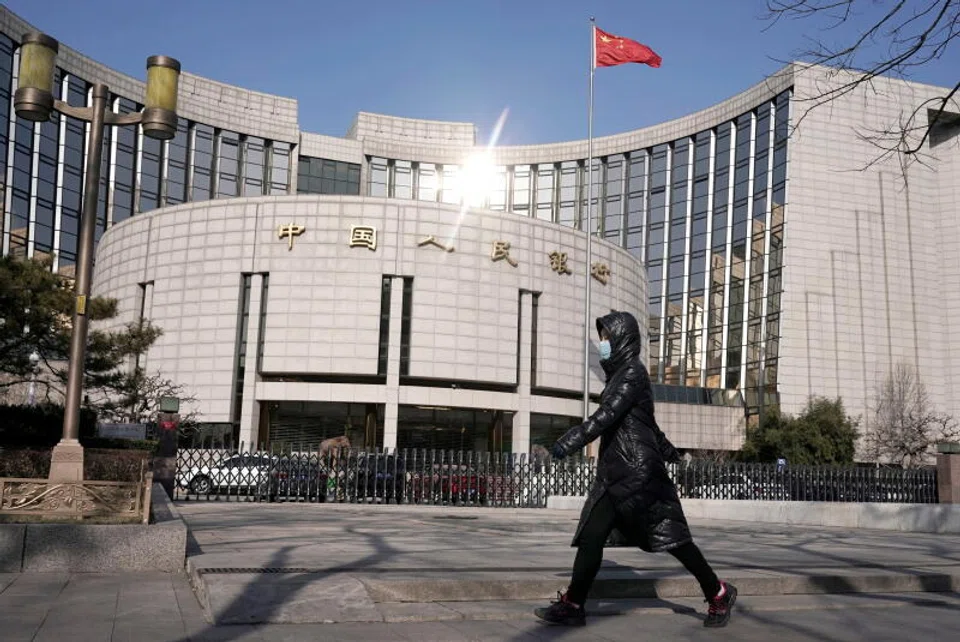
DeeperDive is a beta AI feature. Refer to full articles for the facts.
CHINESE banks are facing growing pressure to support cash-strapped developers after months of pleas by regulators failed to boost lending to the industry.
Local branches at the People’s Bank of China (PBOC) have called for meetings with banks in multiple cities since last week to assess why loans have slowed, along with the difficulties faced by banks and how regulators can help, according to people with knowledge of the matter. The move represents increasing concern from officials following repeated so-called window guidance for faster property lending in previous months, the sources said, asking not to be identified discussing private information.
Builders and regulators are counting on banks to provide a lifeline to the industry as bond funding and home sales dry up. Yet developers’ cash flows from bank loans have plunged almost 30 per cent in recent months, undermining President Xi Jinping’s efforts to arrest a property slump that is worsening a slowdown in the world’s second-largest economy.
As the number of developers that have defaulted on or extended debt obligations mounts, banks are reluctant to increase their exposure to the sector in response to regulators’ demands. Some are only rolling over debt to prevent a souring of loans, the sources said. China’s widening crackdown on corruption in the financial system has added to bankers’ reticence.
Regulators stopped short of imposing any punishment on banks that fail to boost lending, said the sources.
The dearth of lending is not entirely a supply issue. The risk of weak sales has also made some private builders reluctant to borrow for new housing projects, the sources added. And the housing slump is weighing on demand for mortgages even as interest rates fall.
Navigate Asia in
a new global order
Get the insights delivered to your inbox.
The PBOC did not immediately respond to a faxed request for comment.
“Whichever bank provides a lifeline to a developer will have to shoulder the risk, and why would a developer take on more debt without seeing better sales prospects?” said Shen Meng, a director at Beijing-based boutique investment bank Chanson & Co. “Without enough home-buying demand, it’d be a dead end for either banks or developers.”
From easing mortgage costs to relaxing ownership rules, China has stepped up efforts to salvage the US$2.4 trillion market for new homes that has seen prices fall for 8 months and more than a dozen real estate companies default.
These measures have yet to bear fruit. Developers’ cash inflow from banks shrank almost 30 per cent in March and April from a year earlier, exacerbating their liquidity crunch, statistics bureau data show. Home sales by the nation’s top 100 developers plummeted 59 per cent in May from a year earlier. Household mortgages shrank by 60.5 billion yuan (S$12.5 billion) in April from a month earlier, according to central bank figures.
The PBOC and banking regulator last week urged lenders to use “all resources” to accelerate the delivery of approved loans and maintain stable growth of property lending. At a briefing on Thursday (Jun 2), central bank officials promised to step up their plans to implement monetary policy to stabilise growth.
Yet banks will remain cautious about financing developers — especially distressed ones — despite the recent active policy guidance, Moody’s Investors Service analysts wrote on May 31.
“Real estate’s share of new bank lending is set to suffer another blow” in the second quarter, due to weak demand for mortgages and Covid lockdowns hindering new projects, said Bloomberg Intelligence analyst Kristy Hung.
“Chinese banks safeguarding their loan books against developers with sliding credit ratings and rising default risks could also weigh on new bank lending to the sector,” she wrote in a note.
It is relatively rare for banks to shrug off regulatory guidance to lend more, and they have been hurt by such advice in the past. When the government urged lenders to combat an economic slowdown following the 2008 global financial crisis, it led to a credit glut that saddled them with trillions of yuan in bad debts.
The country’s deepening anti-corruption drive is further restraining banks’ lending appetite. About 60 former officials in the financial sector have been investigated this year, Bloomberg calculations based on official announcements show.
Authorities have recently begun to widen the crackdown to include the property sector. One recent target was the head of financing at Fuzhou-based Tahoe Group, the first top 10 builder to default. Huang Xi, who was a general manager at China Construction Bank Corp’s institutional business department before joining Tahoe in mid-2018, was probed for serious violations, the Central Commission for Discipline Inspection said last month.
Chinese banks will be reluctant to lend to small and private developers due to the anti-corruption investigations, Jefferies analysts led by Shujin Chen wrote in a note in May.
Ziv Ang, an analyst with UOB Kay Hian in Kuala Lumpur, expects financial institutions to remain cautious toward lending to developers.
“Banks remain wary about their exposure to the property sector and a potential increase in bad loans,” Ang said. “It’d be hard for the lenders to appease their own investors if they went too aggressive with lending to developers.” BLOOMBERG
Decoding Asia newsletter: your guide to navigating Asia in a new global order. Sign up here to get Decoding Asia newsletter. Delivered to your inbox. Free.
Share with us your feedback on BT's products and services
TRENDING NOW

Ministry of Home Affairs Permanent Secretary Pang Kin Keong to retire

Shelving S$5 billion office redevelopment plan proved ‘wise’ as geopolitical risks mount: OCBC chairman

Richard Eu on how core values, customers keep Singapore’s TCM chain Eu Yan Sang relevant

China pips the US if Asean is forced to choose, but analysts warn against reading it like a sports result

