

China sets longest run of yuan fixes with strong bias on record
 Add BT as a preferred source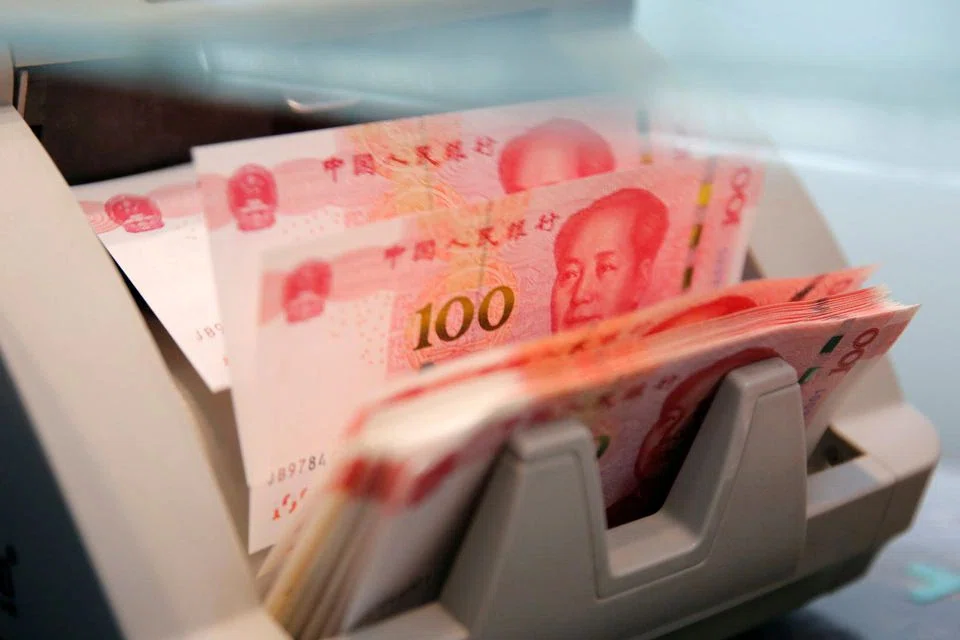
DeeperDive is a beta AI feature. Refer to full articles for the facts.
CHINA sustained its defence against a falling yuan with the longest streak of stronger-than-expected currency fixings on record after the Federal Reserve lifted rates and signalled even more aggressive hikes going forward.
The People’s Bank of China (PBOC) set the fix at 6.9798 per dollar, 850 pips stronger than the average estimate in a Bloomberg survey of analysts and traders. That’s the 21st straight day of stronger-than-expected fixings, the longest on record since Bloomberg started the survey in 2018.
PBOC’s move comes amid the threat of further outflows, with the onshore yuan already on track for its worst annual loss since 1994. That’s because the Fed’s third straight 75 basis point rate hike has further widened its policy gap with the PBOC, which remains accommodative to support the economy hit by Covid curbs and tumult in the property sector. Chinese banks kept their main lending rates unchanged on Tuesday (Sep 20) but forecasts are for a cut going forward.
Along with stronger-than-expected fixings, the PBOC has also reduced banks’ foreign-currency reserves to boost the yuan. Authorities have also stepped up verbal warnings against the currency’s slide. State media cited the regulator as saying last week companies shouldn’t bet on the direction and extent of currency moves.
It’s not just the PBOC but monetary authorities across the region are stepping up surveillance of their currencies as the dollar’s relentless gains due to Fed’s aggressive tightening batters emerging market currencies. The Bank of Japan was said to conduct a so-called rate check in the currency market last week, a move considered a precursor for intervention. South Korean authorities on Thursday vowed to take steps to stabilise the nation’s bond and currency markets as the won slid past 1,400 per dollar for the first time since 2009. BLOOMBERG
Decoding Asia newsletter: your guide to navigating Asia in a new global order. Sign up here to get Decoding Asia newsletter. Delivered to your inbox. Free.
Share with us your feedback on BT's products and services
TRENDING NOW

Shelving S$5 billion office redevelopment plan proved ‘wise’ as geopolitical risks mount: OCBC chairman

Eurokars Group introduces rental car franchises Enterprise Rent-A-Car, National Car Rental, and Alamo to Singapore

20 photos that show how dramatically Singapore has changed in two decades
Singapore’s key exports up 15.3% in March from electronics surge, exceeding forecasts

