

China starts bankruptcy liquidation of shadow bank Zhongzhi
The move signals regulators’ determination to draw a line under years of opaque shadow banking practices
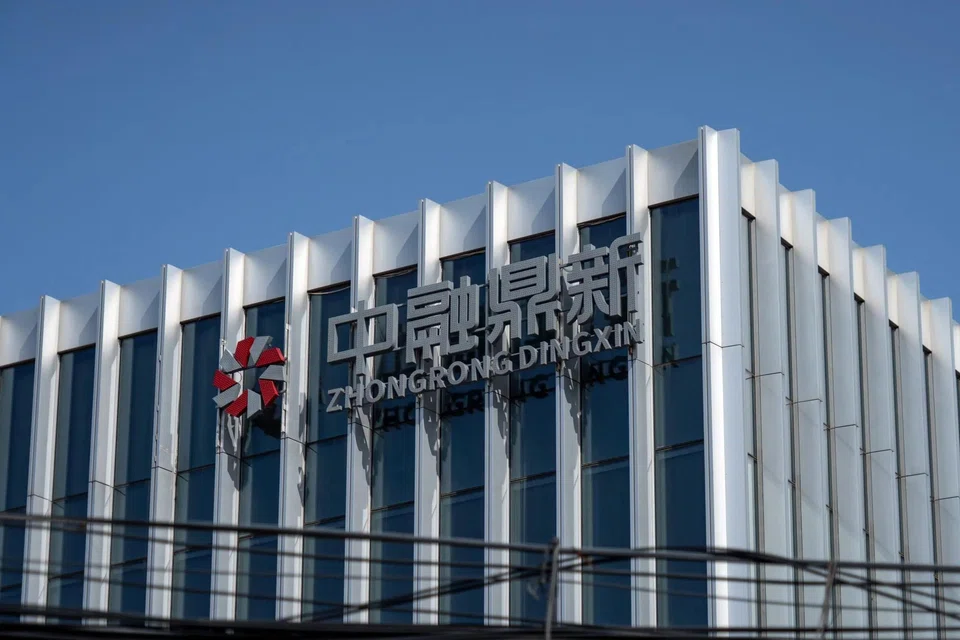
[BEIJING] A Beijing court has ordered the liquidation of Zhongzhi Enterprise Group and its more than 300 affiliated companies, in a major step towards winding down one of China’s largest shadow banking conglomerates.
The Beijing No 1 Intermediate People’s Court said it accepted the case on Friday (Apr 10) and creditors have until Jun 10 to submit their claims to the administrator, Beijing Dacheng Law Offices, according to a court notice.
The move signals regulators’ determination to draw a line under years of opaque shadow banking practices, as courts and administrators seek to untangle complex inter-company guarantees and recover assets amid broader efforts to contain financial risks.
Zhongzhi, once a key player in China’s shadow banking system, filed for bankruptcy in 2024 after its troubles sent shockwaves through the nation’s markets and dented economic confidence.
The shadow bank and its units had defaulted on dozens of products sold to the public in 2023 and later revealed it was “severely insolvent.” China has since opened criminal investigations into its money management business and sentenced its ex-chairman to jail.
Zhongrong International Trust, a unit of Zhongzhi, also faced liquidation last year after its state-appointed custodians concluded it was insolvent.


China’s trust industry, after at least six rounds of restructuring since its inception in 1979, combines characteristics of commercial and investment banking, private equity and wealth management. Trust firms, which typically take deposits from rich individuals and companies to invest in various assets, were a major funding channel for real estate projects for years by issuing high-yield products with implicit return guarantees.
The sector was buffeted in recent years by the nation’s protracted property crisis and crackdown on leverage, which has led to a number of bankruptcy cases including New China Trust and Sichuan Trust. BLOOMBERG
Decoding Asia newsletter: your guide to navigating Asia in a new global order. Sign up here to get Decoding Asia newsletter. Delivered to your inbox. Free.
Share with us your feedback on BT's products and services
TRENDING NOW

ComfortDelGro appoints two new independent directors

Once staunchly pro-China, Malaysian Chinese businesses are now distancing themselves from Beijing

NoonTalk needs continued financial support from CEO Dasmond Koh, auditors warn

DP Architects sets the benchmark for sustainability disclosure and design

